
Dark Circles Under Eyes Treatment: Causes, Remedies & Effective Options

Eye bags underneath the eyes are one common skin condition that makes the face look tired, worn-out, or older than its real age. Eye bags are a problem that can affect people of all ages and skin types. Depending on the person, eye bags can be brown and black or blue and purple in color. It is worth noting that having eye bags does not necessarily indicate that one is tired. There are various causes of eye bags, which include genetics, aging, pigmentation, allergies, skin irritation, and facial anatomy.
Given the variation in the cause of eye bags among different individuals, effective treatment requires that one first identifies what caused the dark spots. For instance, while certain remedies will work perfectly well for pigmentation, they may fail to work for cases where the cause is eye bags.
Causes of Dark Circles Under the Eyes
The eye region has thin skin that tends to reveal the presence of any alteration in pigmentation, blood vessels or other underlying tissues easily. Genetics can influence under-eye darkness, which means there will be individuals who are genetically more susceptible to this condition. The ageing process can contribute by making skin thinner and causing changes to tissues that result in either increased visibility of blood vessels or shadowing because of hollows.
Certain lifestyle choices and environmental influences can cause the under-eye darkness to become more pronounced. Lack of sufficient sleep can result in a darker appearance of the under-eye area, but dehydration, stress, smoking and excessive alcohol consumption can have an impact on it as well. Excessive rubbing and scratching of the eye region can contribute to the irritation of the skin.
Sun exposure is another factor worth considering. Increased pigmentation makes it easier for under-eye dark areas to be seen, especially when one is genetically predisposed to this condition. In many cases, darkness looks like a shadow due to puffiness or hollows under the eyes.
Treatment Options for Dark Circles
Yes, there are ways to improve the appearance of dark circles, however, the best way to do so varies according to the cause of the problem. Not all dark circles have the same root cause, which means that not all solutions will work for every case.
In some instances, getting adequate sleep, keeping the skin away from the sun, and stopping the eye-rubbing behavior might be enough. In more serious cases, when the dark circles persist, one could consider professional help after a skin evaluation.
Home Care for Under-Eye Darkness
Skin care regimen could aid in achieving healthy looking skin around the eyes. The use of a broad spectrum sunscreen may offer protection from sun-induced pigmentation. Gentle products are advisable since vigorous scrubbing and irritant formulations could worsen sensitivity in the area.
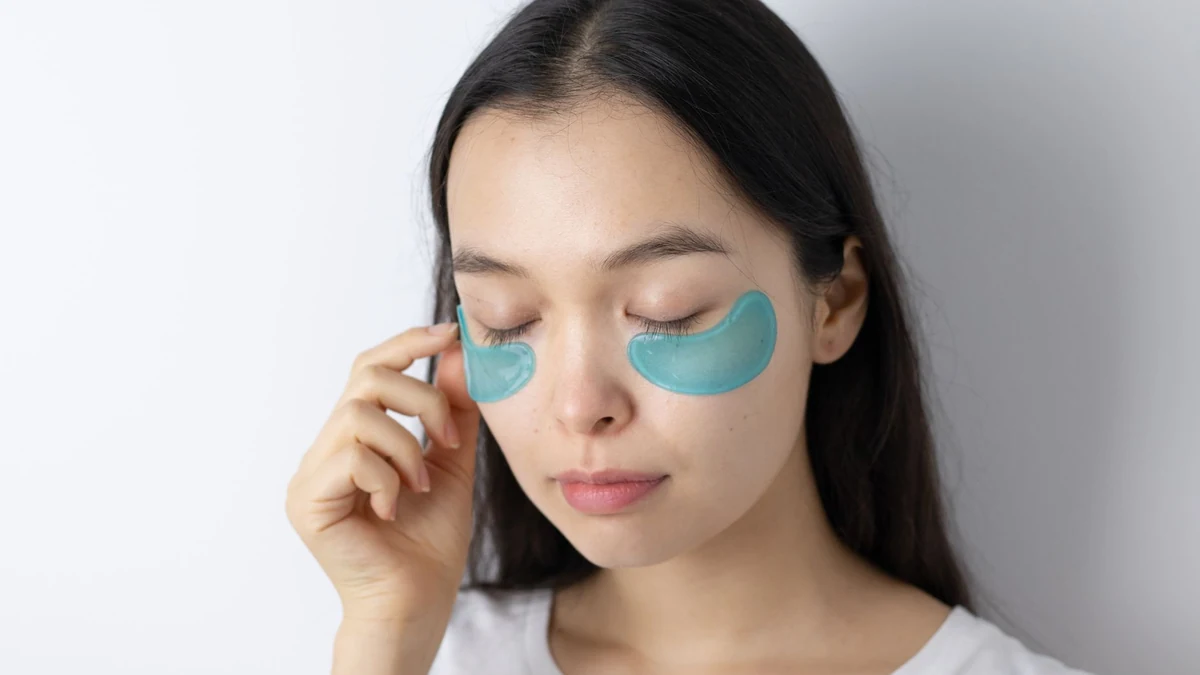
Sufficient rest is also helpful especially if tiredness is responsible for making shadows more visible. A cool compress could help diminish puffiness and create a refreshed look. Addressing an allergy that might cause dark circles might also result in improved skin appearance.
These strategies may help achieve healthy looking skin; however, they may fail in eliminating hereditary or age-induced dark circles.
Professional Treatment Options
When home care does not provide the desired improvement, dermatological treatments may be considered. The choice should be based on the specific cause and the individual’s skin characteristics.
Chemical Peels
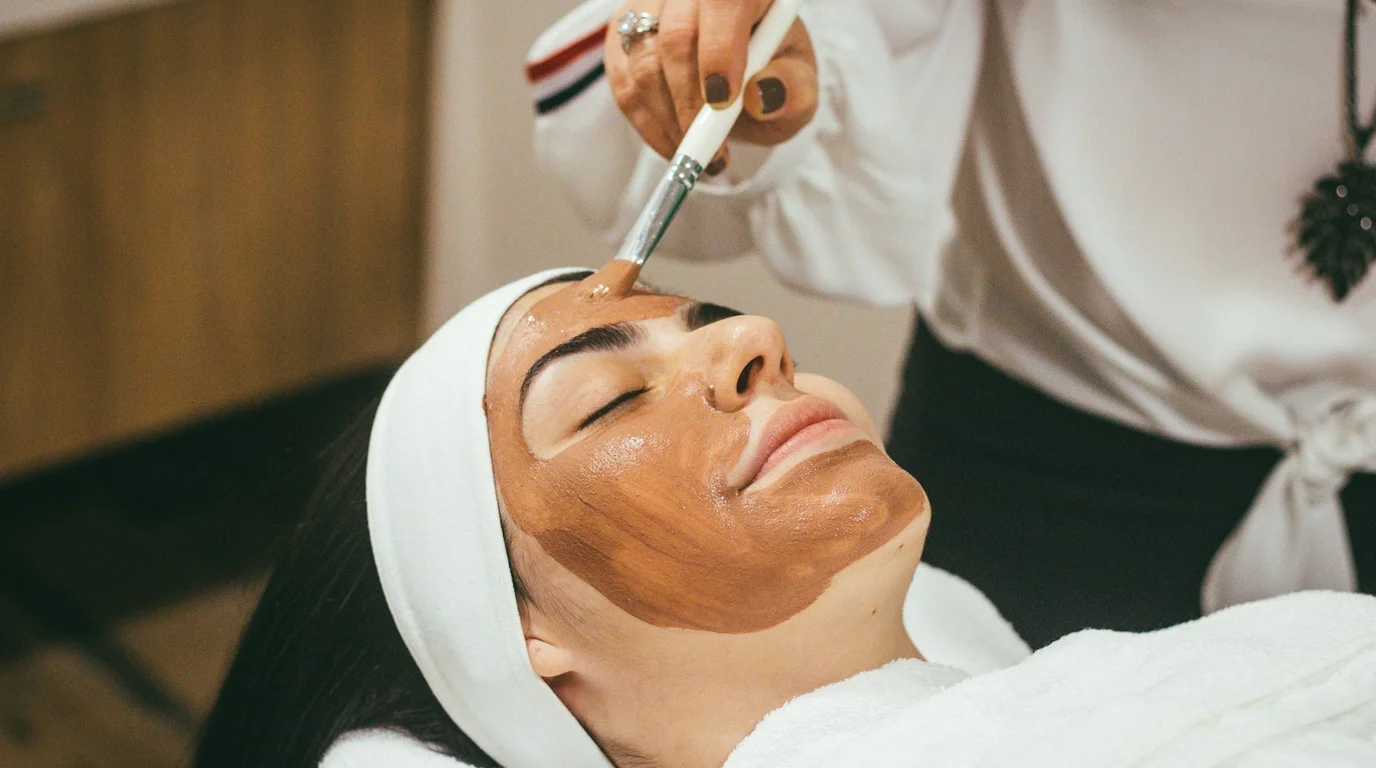
Certain chemical peels may be used to address pigmentation and improve overall skin appearance. They work by encouraging controlled exfoliation of the outer layers of skin. Because the skin around the eyes is particularly delicate, treatment should only be performed by an appropriately qualified professional using a technique suitable for the area.
Laser Treatments
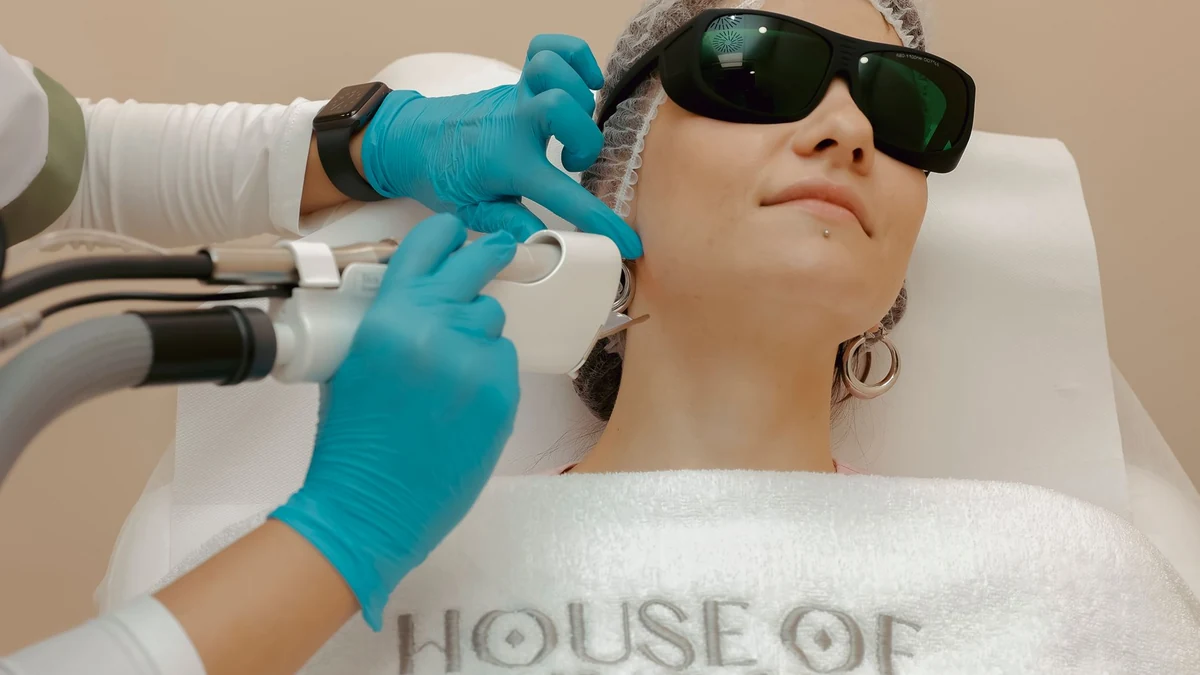
Laser-based procedures may be considered when pigmentation, skin texture or visible vessels contribute to the appearance of dark circles. Some laser procedures can also support skin resurfacing and tightening. However, treatment must be carefully selected according to skin type because certain resurfacing procedures can carry a risk of unwanted pigmentation changes, particularly in brown or Black skin.
Dermal Fillers
Not every dark circle is caused by pigmentation. Hollow areas beneath the eyes can create shadows that make the region look darker. In selected cases, injectable fillers may be used to restore volume and reduce the appearance of these shadows. This is a medical procedure and requires careful assessment of the under-eye anatomy and an experienced practitioner.

Platelet-Rich Plasma
Platelet-rich plasma, commonly called PRP, is another treatment option sometimes considered for the under-eye area. It involves using a person’s own blood-derived platelets as part of a procedure intended to support skin rejuvenation. Whether it is appropriate depends on the individual’s concern and professional assessment.
Eyelid Surgery
For people whose appearance is significantly influenced by excess skin, fat or persistent under-eye bags, surgical treatment may sometimes be considered. Blepharoplasty can address certain structural changes around the eyelids. Since surgery has potential risks and requires recovery, it is generally considered only when appropriate for the individual’s anatomy and concerns.
Choosing the Right Dark Circle Treatment
The most important step is identifying what is actually causing the darkness. Pigmentation may require a different approach from hollowness, while puffiness or allergy-related changes may need another form of management.
A dermatologist can examine the under-eye area and consider factors such as skin tone, pigmentation, texture, visible vessels, facial structure and signs of irritation before recommending treatment. This personalized approach is particularly important because the skin around the eyes is sensitive and not every cosmetic procedure is suitable for everyone.
It is also worth remembering that improvement does not always mean complete removal. Genetic and age-related factors may continue to influence the appearance of the under-eye area even after treatment.
When to Consult a Dermatologist for Dark Circles
Dark circles are generally not a serious medical problem. However, professional advice is useful when they persist despite appropriate care, become increasingly noticeable or are accompanied by other symptoms. Mayo Clinic recommends seeking medical advice when changes occur under only one eye and become worse over time.

Professional assessment is also helpful before starting stronger creams, peels, lasers or injectable treatments. This can reduce the risk of choosing a treatment that does not match the actual cause of the concern.
Final Thoughts
Under-eye dark circles can have more than one cause, which is why treatment should not follow a one-size-fits-all approach. Sleep, sun protection, gentle skincare and allergy management can help with some cases, while persistent pigmentation, hollowness, puffiness or age-related changes may require professional options.
The best under-eye dark circles treatment is one selected after understanding the reason behind the concern. With an appropriate assessment and realistic expectations, the appearance of the under-eye area can often be improved while maintaining the health and natural character of the skin.
Sources and References
- Mayo Clinic – Dark Circles Under Eyes: Causes and Definition
- Cleveland Clinic – Dark Circles Under the Eyes
- Mayo Clinic – Bags Under Eyes: Diagnosis and Treatment
- Cleveland Clinic – Allergic Shiners
- NHS – Eyelid Problems



Thank you for your comment!
Your message has been received and sent to the Dermis 365 clinical team for review. It will be published publicly as soon as it is approved by a clinic administrator.
Leave a Clinical Thought or Question
Your email address will not be published. Required fields are marked *