
7 Different Types of Nail Extensions: A Complete Guide

Nail extensions are a popular way to add length, shape and style to natural nails. They can transform short nails into longer, polished-looking nails and provide a smooth base for different colours and nail art designs. However, not every type of extension works in the same way. The material, application process, flexibility, maintenance and removal method can vary considerably.
If you are considering getting extensions for the first time, understanding the different options can help you have a more informed conversation with your nail technician. Here are seven different types of nail extensions and what you should know about each one.
Understanding Nail Extensions
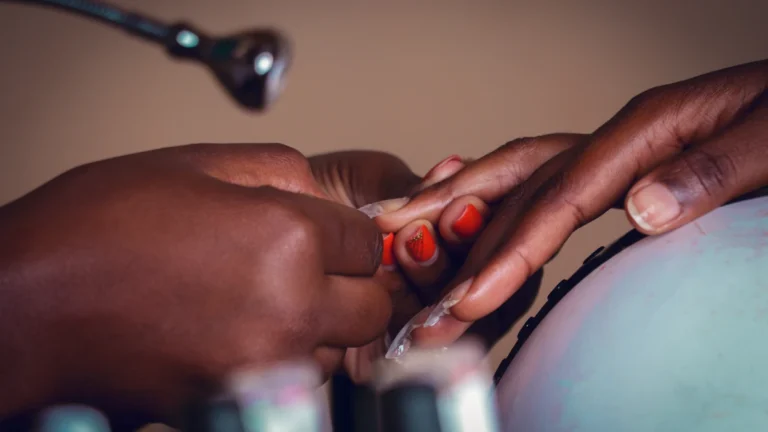
Nail extensions are artificial enhancements used to add length to or build up the natural nail. Depending on the technique, they may be sculpted over a form, applied using a tip or attached as a full-cover extension.
Common materials include acrylic, gel and hybrid gel systems. Some techniques are designed primarily for length, while others can also reinforce the natural nail.
The final appearance can also be customized through different shapes, including almond, square, oval, coffin and stiletto. The choice is usually based on personal style, natural nail condition and the amount of length you want.
Acrylic Nail Extensions
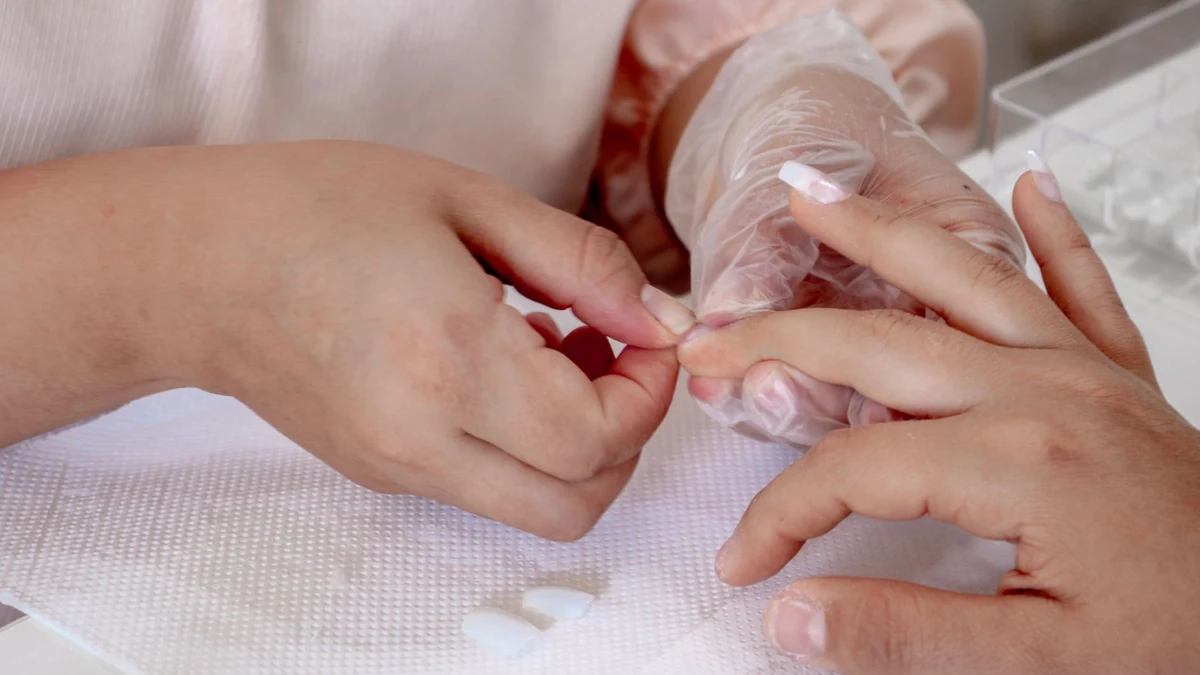
Acrylic extensions are one of the most established types of artificial nails. They are created by combining a liquid monomer with a powder polymer to form a workable mixture. A nail technician shapes this material over the natural nail or an extension form before it hardens.
Acrylic is known for creating a firm structure and can be used to achieve considerable length. It also allows technicians to create dramatic shapes and detailed nail designs.
However, acrylic application usually involves filing the surface of the natural nail. According to the American Academy of Dermatology, frequent artificial nail applications and touch-ups can leave natural nails thin, brittle and dry. The organisation recommends taking breaks from artificial nails and avoiding unnecessary cuticle cutting.
Hard Gel Nail Extensions
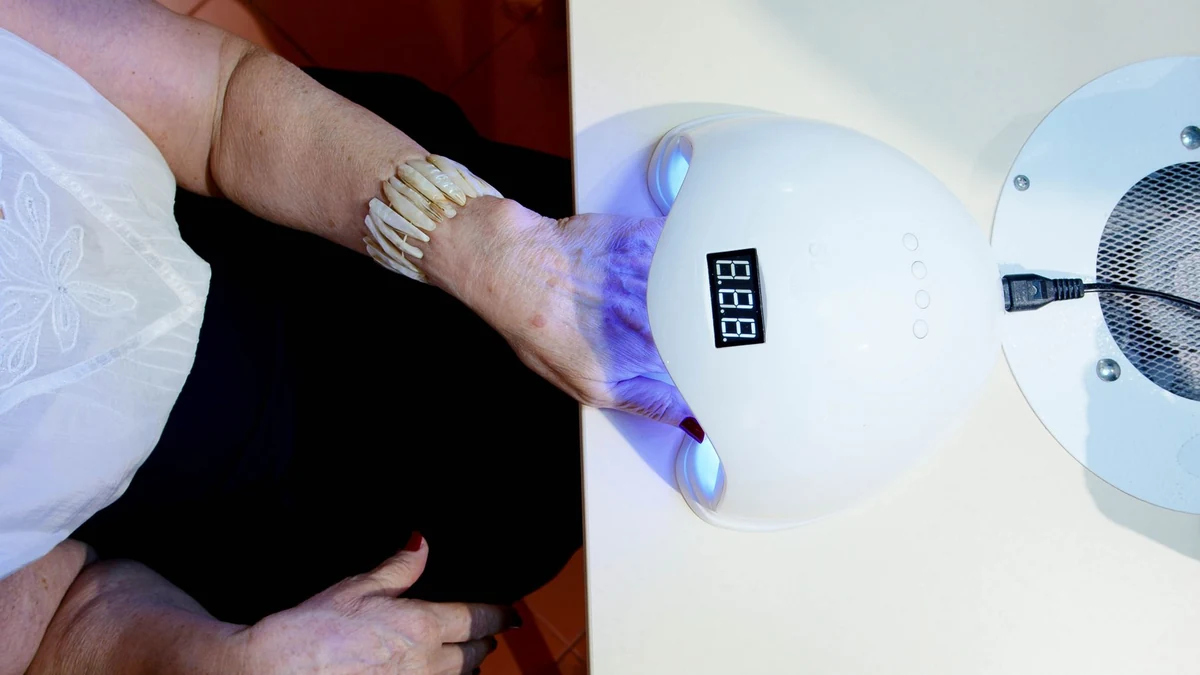
Hard gel extensions use a thicker gel product that is shaped over the natural nail, a tip or a form. The gel is cured under a UV or LED light to create a hardened structure.
One of the main differences between hard gel and acrylic is the application system. Acrylic hardens through a chemical reaction, while gel products require light curing.
Hard gel can create a smooth and glossy finish and is suitable for creating different lengths and shapes. However, hard gel generally cannot be removed simply by soaking it in acetone and normally needs to be filed down by a professional.
Soft Gel or Full-Cover Gel Extensions
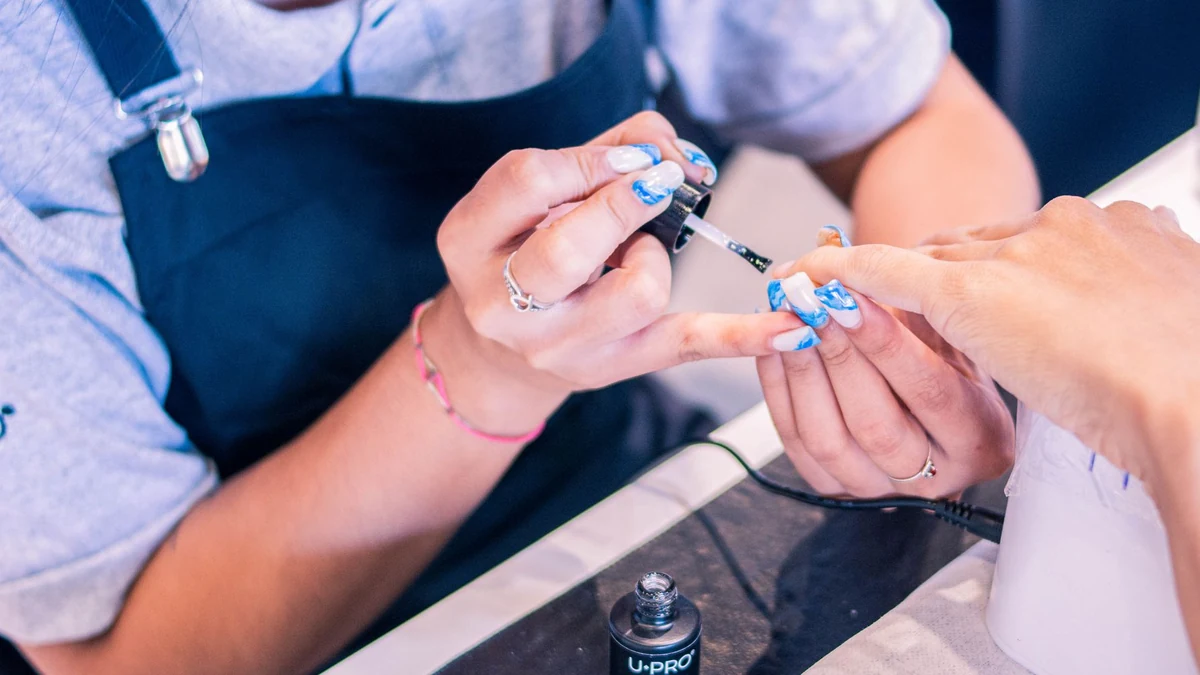
Soft gel extensions, sometimes called full-cover gel tips, are pre-shaped tips made from gel material. Instead of sculpting the entire extension from scratch, the technician selects a tip that matches the natural nail and attaches it using a gel-based adhesive before curing it under a lamp.
This method can provide a relatively quick way to achieve length and a consistent shape. Since the tips are already formed, they can also make it easier to achieve uniform-looking nails across all fingers.
Soft gel extensions are often chosen by people who want a lighter-looking extension with a smooth finish. However, gel products can still contribute to brittleness, peeling or cracking when used continuously or removed incorrectly. The American Academy of Dermatology recommends considering soak-off gel options and using appropriate curing equipment to help reduce potential nail damage.
Polygel Nail Extensions
Polygel is considered to be a combination type of nail enhancement material, which unites some features related to both acrylic and gel nail systems.
One of the reasons for polygel popularity is its ability to be worked. Polygel is not runny like a liquid product; therefore, it can be sculpted before it is hardened in a UV or LED lamp.
The material can be applied both as an overlay on natural nails and to add extra length using forms and tips. Some beauty professionals claim that polygel is considered to be lighter and more flexible than acrylic.
Builder Gel Extensions
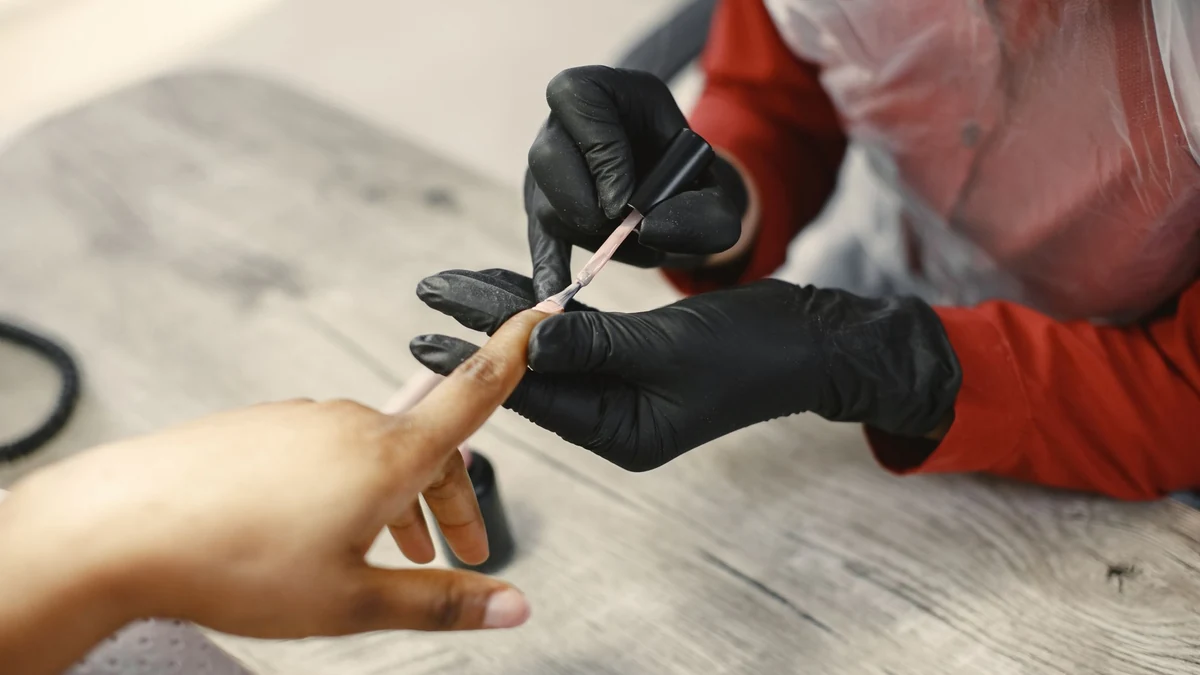
Builder gel is a thicker gel product designed to add structure and strength to the nail. Depending on the product and technique, it can be used as an overlay or to create additional length.
Builder gel is particularly useful when someone wants a more structured manicure without necessarily choosing a very dramatic extension. It can create a smooth foundation and can be shaped into different nail styles.
Some builder gel products are soak-off systems, while others may require filing for removal. Therefore, it is important to know which product your technician is using rather than assuming that every builder gel behaves in exactly the same way.
Fiberglass Nail Extensions
Fiberglass tips make use of fine strands or sections of fiberglass mesh, which aid in achieving or reinforcing nail length. This material is applied onto the nail, mixed with a suitable resin or gel formula, and molded into shape.
This material can produce a thin, natural-looking effect and may prove useful in situations where a technician wishes to fix or enhance nails in such a way that they do not appear extremely thick.
Given the precision required, fiberglass tips may be best done by professionals, as the outcome of this procedure depends largely on the state of the natural nail, as well as the quality of materials and skills used.
Silk Wrap Nail Extensions
Another option to use as a light method of reinforcing or repairing natural nails is the silk wrap method. A tiny part of the silk cloth is placed over the nail and then secured with resin or another proper product.
This method is usually associated with nail repair since the cloth is used for providing extra strength to a weak nail. However, this method can also be used for creating an extension; however, it cannot be used for those who wish to have very long nails.
Final Thoughts
Nail extension world has many different options available, including traditional acrylics and hard gels, modern polygel and builder gels, fiberglass, and silk nails.
When picking an extension type, think not only about which one is popular at the moment, but also what length and finish you need, the condition of your natural nails, and how you feel about the maintenance and removing process. You could also seek advice from a professional nail artist who would be able to offer a proper solution.
Sources and References
- U.S. Food & Drug Administration (FDA) – Nail Care Products
- American Academy of Dermatology – Artificial Nails: Tips for Reducing Nail Damage
- American Academy of Dermatology – Manicure and Pedicure Safety
- American Academy of Dermatology – Dip Powder Manicure: Tips to Keep Your Nails Healthy
- Cleveland Clinic – Understanding the Pros and Cons of Dip Powder, Gel and Acrylic Nails
- Cleveland Clinic – Are Acrylic Nails Bad for Your Nails and Skin?
- Allure – Polygel Nails Combine the Strength of Acrylics and the Flexibility of Gels


Thank you for your comment!
Your message has been received and sent to the Dermis 365 clinical team for review. It will be published publicly as soon as it is approved by a clinic administrator.
Leave a Clinical Thought or Question
Your email address will not be published. Required fields are marked *