
Skin Whitening Treatment Cost: Types, Factors, Benefits and Safety

Skin whitening treatment is a commonly searched topic among people who want to improve uneven skin tone, tanning, dark spots or pigmentation. However, the term “skin whitening” can mean different things. In professional dermatology, treatments are generally focused on reducing excess pigmentation, improving uneven tone and treating specific conditions rather than permanently changing a person’s natural skin colour.
The skin whitening treatment cost can therefore vary considerably depending on the concern being treated, the procedure selected, the number of sessions required and the clinic or dermatologist providing the treatment.
There is no single price that applies to everyone. A dermatologist usually examines the skin first and determines whether the concern is tanning, post-inflammatory hyperpigmentation, melasma, age spots or another condition.
Overview of Skin Whitening Treatment
Skin whitening treatment is an umbrella term commonly applied to treatments and skin care methods designed to even out skin tone and reduce the appearance of discoloration.
The method of professional treatment could include topical medication, chemical peels, laser or light treatment, or other techniques. The most suitable way would depend on the type of condition.
Thus, if it’s melasma, then this type of condition would need both protection from the sunlight and some kind of treatment prescribed by a dermatologist. The American Academy of Dermatology states that this condition could be persistent.
Factors Affecting Skin Whitening Treatment Cost
There is no universal treatment cost because several factors influence the final expense.
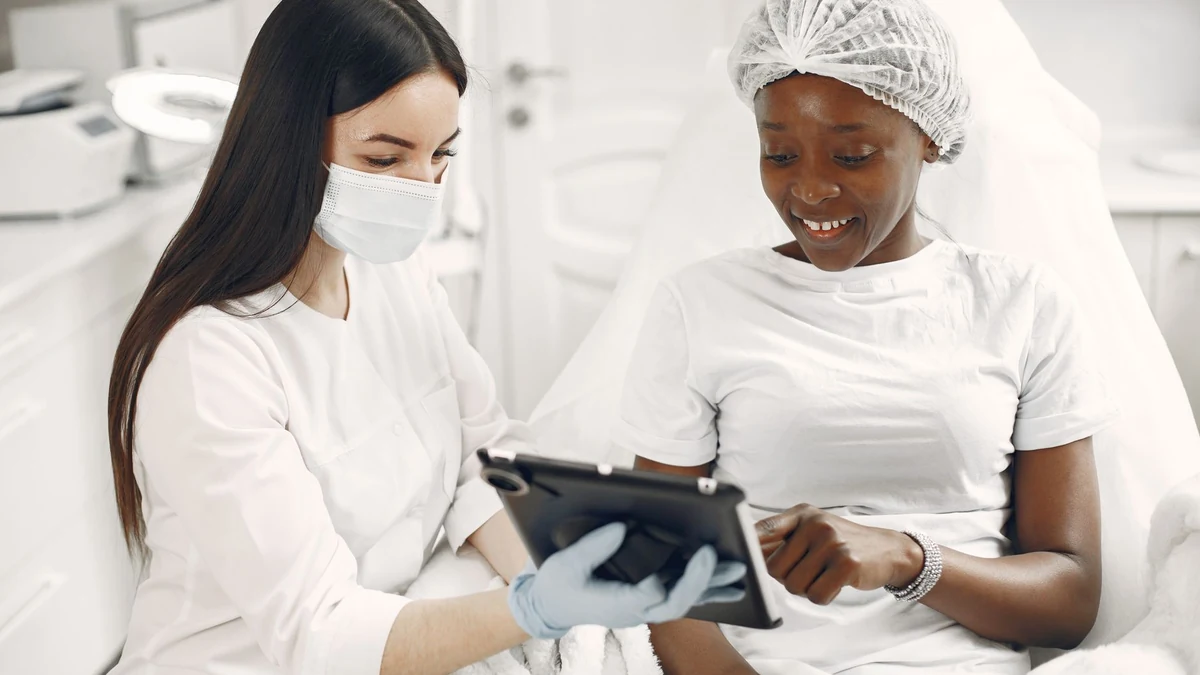
Type of Treatment
Different procedures have different costs. A consultation and prescription skincare routine will generally involve a different expense from an in-clinic chemical peel or laser procedure.
The technology used, treatment complexity and professional expertise can all affect the price.
Skin Concern Being Treated
Treatment for mild tanning may be different from treatment for stubborn melasma or post-inflammatory hyperpigmentation.
A dermatologist may recommend a simpler topical approach for one person and a combination treatment for another.
Number of Sessions
Some cosmetic procedures require multiple sessions rather than one appointment.
The total cost should therefore be considered as the cost of the complete treatment plan rather than simply the price of one session.
Clinic and Professional Expertise
The clinic, dermatologist’s qualifications, location and equipment can influence treatment pricing.
A lower price should not automatically be considered better value, especially when a procedure involves lasers, chemical peels or other professional treatments.
Area Being Treated
Treating a small area of pigmentation can require a different amount of time and treatment from treating larger areas such as the face, neck or hands.
The size and number of areas being treated can therefore affect the overall cost.
Common Treatments Used for Uneven Skin Tone
Topical Treatments
Topical products are often one of the first approaches used to manage pigmentation. Depending on the diagnosis, a dermatologist may recommend ingredients or prescription treatments designed to reduce excess pigmentation. Sun protection is also an important part of managing many pigmentation concerns.
The AAD notes that treatment for melasma commonly begins with sun protection and topical medications.
Chemical Peels
A chemical peel involves applying a chemical solution to the skin under controlled conditions. Depending on the type of peel and the skin concern, it can help improve certain pigmentation problems.
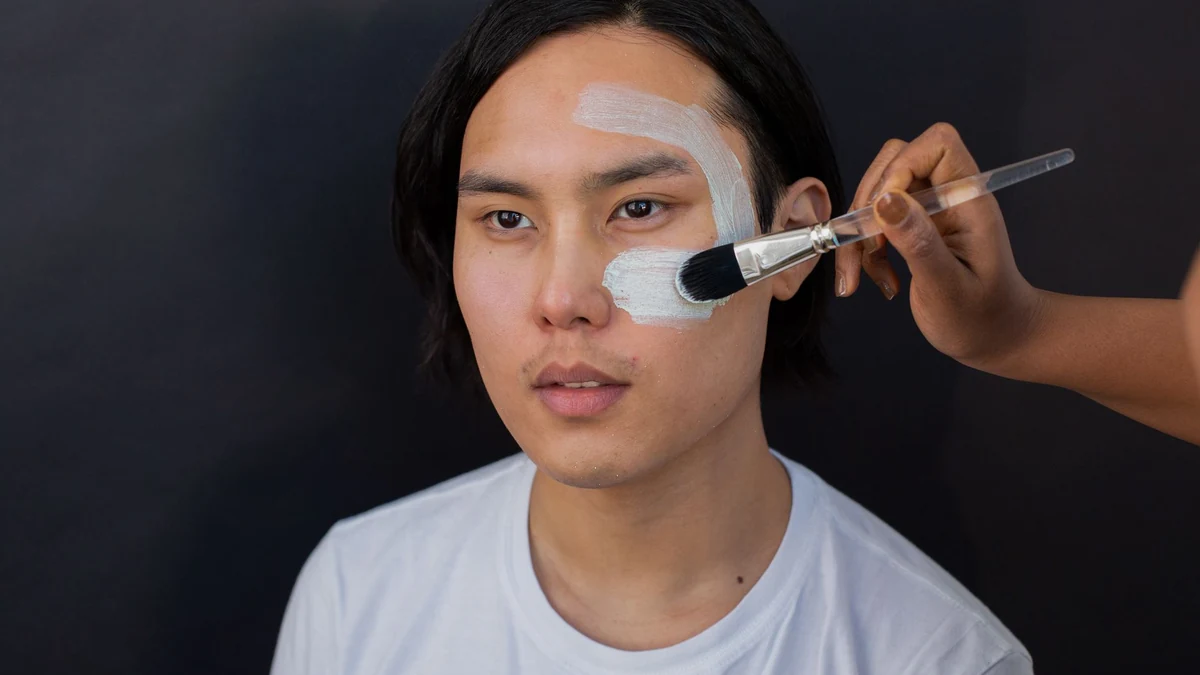
Dermatologists may use chemical peels as part of a treatment plan for conditions such as melasma. The cost can depend on the type of peel, strength, treatment area and number of sessions.
Laser and Light-Based Treatments
Some pigmentation concerns may be treated with laser or light-based procedures.
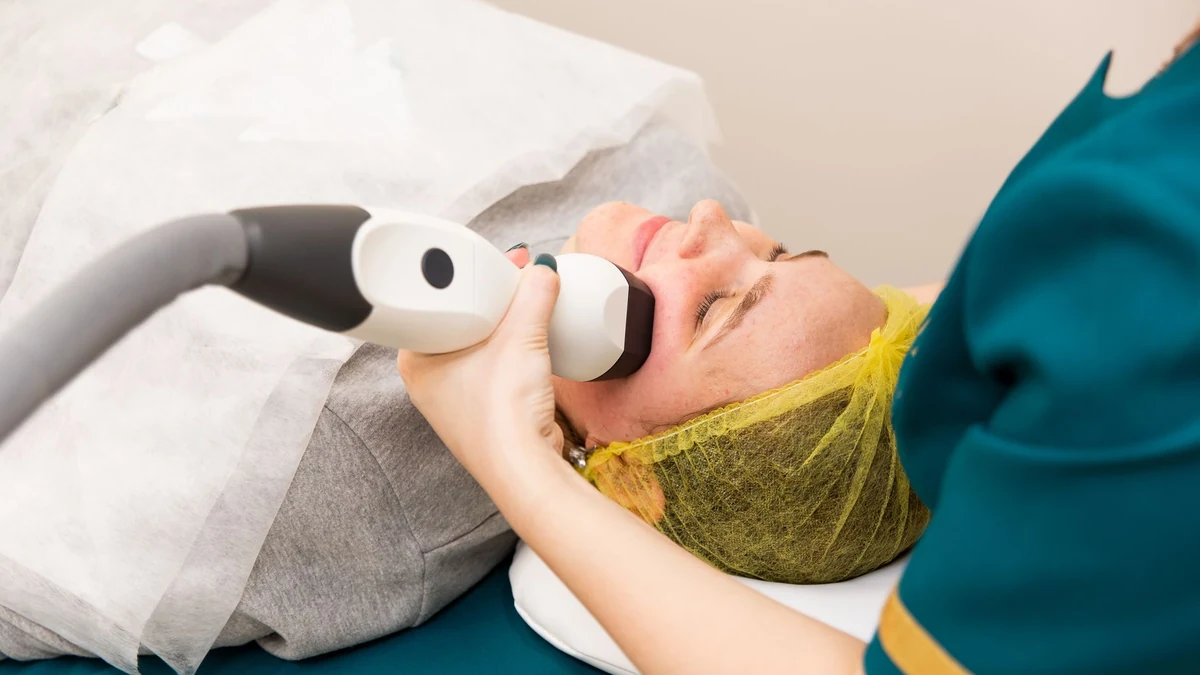
These treatments require careful assessment because not every laser is suitable for every skin type or pigmentation problem. In darker skin tones, certain procedures can sometimes trigger additional pigmentation if the skin becomes irritated or injured.
The AAD emphasizes that treatment for melasma and pigmentation in darker skin requires appropriate precautions because irritation can make pigmentation darker.
Permanence of Skin Whitening Treatment
It depends on the cause behind the occurrence of pigmentation. For instance, in the case when pigmentation is caused by sun or inflammation, minimizing the cause and implementing the right treatment will bring about improvement of skin. At the same time, there are some types of pigmentation which will reappear even after treatment.
According to the AAD, melasma is one of those types that can be resistant to the treatment and can need continuous management. It is also very important to protect oneself from the sunlight because it is one of the factors causing pigmentation and complicating its treatment.
Therefore, one should perceive professional pigmentation treatment as pigmentation management and evening of skin tone, not as whitening procedure.
Impact of Skin Whitening Treatment on Natural Skin Colour
Professional treatment in dermatology should never be considered as an attempt at changing the natural color of one’s skin permanently.
Pigmentation is caused by melanin in one’s skin. Procedures applied by dermatologists are basically meant for dealing with hyper-pigmentation, dark patches, or other skin issues.
For instance, someone who has melasma might be treated to get rid of excessive pigmentation. This is not the same as getting rid of normal and healthy pigmentation.
Skin Whitening Treatment Cost vs Home Remedies
Home remedy treatments are said to be cheap alternatives to medical treatment. Lemon juice, baking soda, among others, are frequently suggested as treatments for dark skin patches on the Internet. But cheap doesn’t always imply safety.
Ingredients that irritate can harm the protective layer of skin, worsening pigmentation conditions. It becomes even more important when someone’s skin is already sensitive or susceptible to pigmentation problems.
Frequently Asked Questions
What is the average skin whitening treatment cost?
There is no single standard cost because treatment prices vary according to the procedure, clinic, location, treatment area and number of sessions. A dermatologist can provide a more meaningful estimate after assessing your skin.
Which treatment is used for skin whitening?
Professional treatments may include topical medications, chemical peels and selected laser or light-based procedures. The appropriate treatment depends on whether the concern is melasma, tanning, dark spots or another pigmentation problem.
Is laser treatment better than a chemical peel?
These treatments work differently and are not universally suitable for every pigmentation concern. A dermatologist should determine which approach is appropriate for your skin type and condition rather than choosing based only on the procedure’s popularity.
How many sessions are needed for skin whitening?
The number of sessions depends on the treatment and the pigmentation being addressed. Some people may need multiple sessions, while others may be managed primarily with topical treatment and sun protection.
Can skin whitening treatment permanently lighten the skin?
Professional pigmentation treatments are generally intended to reduce excess pigmentation and improve uneven skin tone, not permanently change a person’s natural skin colour. Some conditions, including melasma, can also recur after improvement.
Is skin whitening treatment safe for darker skin tones?
Some treatments can be used safely, but treatment selection is particularly important. Irritation from an unsuitable procedure can sometimes worsen pigmentation in darker skin tones. The AAD recommends individualized care for these patients.
Are skin whitening creams safe?
Not all products are safe. The FDA has warned about illegally marketed products containing mercury and hydroquinone and recommends discussing treatment options with a healthcare professional.
How can I reduce pigmentation without professional treatment?
Daily sun protection, gentle skincare and treating the underlying cause can help manage some pigmentation concerns. However, persistent or worsening pigmentation should be evaluated by a dermatologist.
Final Thoughts
The skin whitening treatment cost depends on much more than the name of the procedure. The type of pigmentation, treatment method, number of sessions, treatment area, clinic and professional expertise can all influence the final expense.
More importantly, “whitening” should not be treated as a one-size-fits-all cosmetic goal. Professional dermatological care focuses on identifying the reason for uneven pigmentation and choosing a treatment that is appropriate for the individual’s skin.
Sources and References
- American Academy of Dermatology – Melasma: Diagnosis and Treatment
- American Academy of Dermatology – How to Fade Dark Spots in Darker Skin Tones
- American Academy of Dermatology – Melasma Overview
- FDA – Skin Product Safety
- FDA – FDA Warns Consumers of Skin Products Containing Mercury and/or Hydroquinone
- FDA – Mercury Poisoning Linked to Skin Products


Thank you for your comment!
Your message has been received and sent to the Dermis 365 clinical team for review. It will be published publicly as soon as it is approved by a clinic administrator.
Leave a Clinical Thought or Question
Your email address will not be published. Required fields are marked *