
Glutathione Injection Benefits and Side Effects: Uses, Safety and What to Know

Glutathione is a naturally-occurring antioxidant formed within the body. Its function is to act as a protector of cells against oxidative stress, and it plays an integral part in several physiological functions such as the antioxidant system of the body.
Recently, there has been increased popularity in glutathione injections especially in cosmetic and wellness treatments since it is said to have properties like skin whitening and anti-pigmentation among other wellness functions. Not all the claims regarding the use of glutathione injections as mentioned above have solid research evidence backing them.
However, it is also vital to understand that injecting any compound is not the same as taking supplements through oral intake. Injection compounds should be prepared and delivered using strict guidelines. Issues of quality control in preparations of glutathione injections may cause significant harm to one’s health. There have been various FDA safety notices concerning compounded glutathione injections.
Understanding Glutathione
Glutathione is an endogenous antioxidant compound, which means it is produced by the body itself. It is made up of three amino acids and can be found in various tissues and cells.
The antioxidant property of glutathione makes it possible to serve as a protector of cells from oxidative stress. Glutathione is also part of some biochemical reactions in cellular activities.
Due to these characteristics, glutathione can be found in various types, such as oral and injectable forms.
But the significance of glutathione in the body does not necessarily imply that everyone would benefit equally from its injection.
Glutathione Injections: An Overview
Glutathione injections deliver glutathione directly into the body, commonly through intravenous (IV) administration in cosmetic or wellness settings.
They are sometimes promoted for purposes such as:
Skin brightening
Improving uneven skin tone
Supporting antioxidant activity
General wellness
Reducing oxidative stress
Supporting certain aspects of liver function
In particular, evidence for IV glutathione as a skin-lightening treatment remains limited and inconsistent. FDA materials reviewing the available evidence noted that there were insufficient data to establish IV glutathione as a safe and effective treatment for skin lightening, particularly for long-term use.
Glutathione Injection Benefits
Provides Antioxidant Glutathione
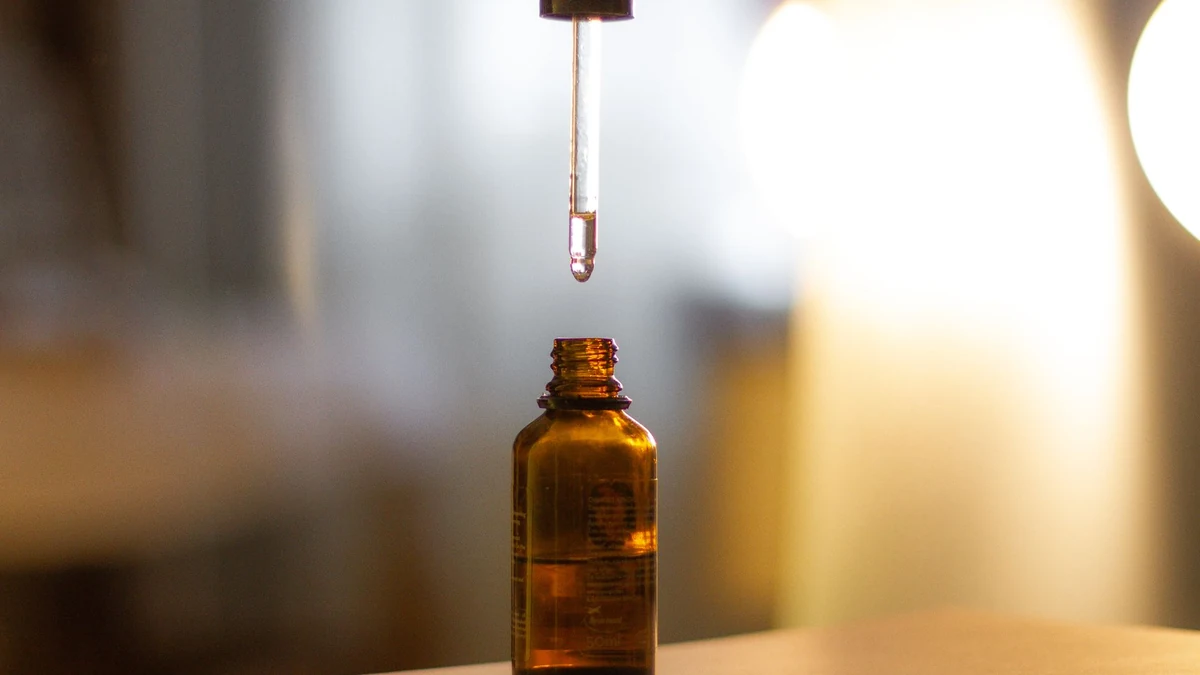
Glutathione is an important antioxidant within the body. It helps protect cells against oxidative stress and participates in the body’s natural antioxidant systems. This biological role is one reason glutathione has attracted interest in medical and wellness research.
May Have Potential for Supporting Cellular Protection
Because glutathione participates in the body’s antioxidant defenses, researchers have investigated its potential role in several health conditions.
However, evidence varies considerably depending on the condition, dose, route of administration and duration of treatment.
Skin Brightening Is a Commonly Promoted Benefit
One of the most widely advertised glutathione injection benefits is skin lightening or brightening.

The proposed mechanism involves glutathione’s effects on melanin production. Some small studies have reported changes in skin pigmentation, but the overall evidence for IV glutathione remains limited and inconsistent.
An FDA review found that evidence for IV glutathione as a skin-lightening treatment was minimal and contradictory, with insufficient data regarding its safety for chronic use.
May Temporarily Affect Skin Pigmentation
Some research has suggested that glutathione may influence melanin production and pigmentation.
However, the available evidence does not establish a predictable or permanent skin-lightening effect. An FDA review noted that in one small study, the improvement in skin lightening gradually diminished after treatment was stopped.
Glutathione Injection Side Effects
The potential risks of glutathione injections are particularly important because the product is administered directly into the body.
Reported adverse effects associated with IV glutathione have included:
Nausea
Dizziness
Abdominal discomfort
Diarrhea
Infusion-site reactions
Skin irritation or eruptions
Allergic reactions
Anaphylaxis in some reported clinical studies
FDA materials reviewing clinical studies have documented several adverse events associated with IV glutathione, including anaphylaxis and infusion-site reactions.
Serious Risks Linked to Poor-Quality Injectable Glutathione
But one of the biggest issues with glutathione injection is not just the glutathione but the quality and sterility of the injection itself.
As reported by the FDA in August 2026, adverse effects have been experienced by at least 30 people after receiving some of the compounded intravenous glutathione. These effects included fever, chills, pain, dizziness, and even symptoms like shock or sepsis. This was due to the fact that the reactions were caused by too much endotoxins.
Furthermore, there were also FDA reports on the recalls of certain compounded glutathione injections in 2026 due to high levels of bacterial endotoxins. These include fever, chills, headache, nausea, vomiting, inflammation, and even allergic reactions.
Allergic Reactions Associated With Glutathione Injections
Allergic or hypersensitivity reactions are possible with injectable products. FDA-reviewed clinical safety information includes a reported case of anaphylaxis among patients receiving IV glutathione.
In addition, problems with contaminated or improperly compounded injectable products can cause severe inflammatory or systemic reactions.
Glutathione Injections and Skin Whitening Safety
The safety and effectiveness of IV glutathione for cosmetic skin lightening have not been established sufficiently to consider it a routine or proven whitening treatment.

FDA materials specifically noted the absence of adequate evidence regarding the safety of chronic IV glutathione use for skin lightening.
Another concern is that cosmetic injections may be administered repeatedly over an extended period. Long-term safety data for this use are limited.
Glutathione Injection vs Oral Glutathione
Glutathione can be taken in different forms, but injectable and oral products should not be considered interchangeable.

An injection bypasses the digestive system and introduces the substance directly into the body. This makes the quality, sterility and administration of the product particularly important. A supplement taken orally also has its own considerations, including absorption and appropriate dosing.
If you are considering glutathione for a specific medical or cosmetic purpose, discuss the options with a qualified healthcare professional instead of choosing an injectable product based only on advertising claims.
Frequently Asked Questions
What are glutathione injections used for?
Glutathione injections are used or promoted for different purposes, including antioxidant support and cosmetic skin brightening. However, the evidence varies by use, and IV glutathione has not been adequately established as a safe and effective long-term skin-lightening treatment.
Do glutathione injections lighten the skin?
Some small studies have reported skin-lightening effects, but the evidence is limited and inconsistent. The effect may also decrease after treatment is stopped.
What are the common side effects of glutathione injections?
Reported effects include nausea, dizziness, diarrhea, abdominal discomfort and infusion-site reactions. More serious reactions, including anaphylaxis, have also been reported.
Are glutathione injections safe?
Safety depends on the indication, product, dose, administration and quality of the injectable preparation. Recent FDA safety alerts show that contaminated or improperly compounded glutathione injections can cause serious adverse events.
Can glutathione injections permanently whiten the skin?
There is not sufficient evidence to support a claim of permanent skin whitening. Available evidence on IV glutathione for pigmentation is limited and contradictory.
How often should glutathione injections be taken?
There is no universally established cosmetic injection schedule that can be considered safe and appropriate for everyone. The frequency should only be determined by a qualified healthcare professional based on the specific medical context.
Can glutathione injections cause an allergic reaction?
Yes. Allergic reactions, including a reported case of anaphylaxis in FDA-reviewed clinical safety information, have been associated with IV glutathione.
Should I get glutathione injections for skin brightening?
Before considering an injectable treatment for pigmentation, discuss the options with a qualified dermatologist. Evidence for IV glutathione as a skin-lightening treatment remains limited, while injectable products also carry risks related to administration and product quality.
Final Thoughts
The potential glutathione injection benefits and side effects need to be considered together. Glutathione has an important natural antioxidant role in the body, but this does not automatically make injectable glutathione necessary or beneficial for everyone.
Although skin brightening is one of the most commonly promoted cosmetic uses, current evidence does not establish IV glutathione as a proven, permanent or risk-free skin-whitening treatment. FDA materials have specifically highlighted limited evidence for this use and concerns about long-term safety.
Safety is particularly important because injectable products must be sterile and appropriately manufactured or compounded. Recent FDA alerts involving certain compounded glutathione injections demonstrate that contamination and inappropriate ingredients can result in serious illness.
Sources and References
- U.S. FDA – FDA Reminds Compounders Not to Use Dietary Supplement Grade Glutathione for Injectables
- U.S. FDA – FDA Highlights Concerns With Using Dietary Ingredient Glutathione to Compound Sterile Injectables
- U.S. FDA – Clinical Safety Information on IV Glutathione
- U.S. FDA – Compounding Risk Alerts
- U.S. FDA – Compounded Glutathione Recall Due to Elevated Endotoxin Levels
- U.S. FDA – Skin Product Safety



Thank you for your comment!
Your message has been received and sent to the Dermis 365 clinical team for review. It will be published publicly as soon as it is approved by a clinic administrator.
Leave a Clinical Thought or Question
Your email address will not be published. Required fields are marked *