
Benefits of Turmeric Milk for Skin: What You Need to Know

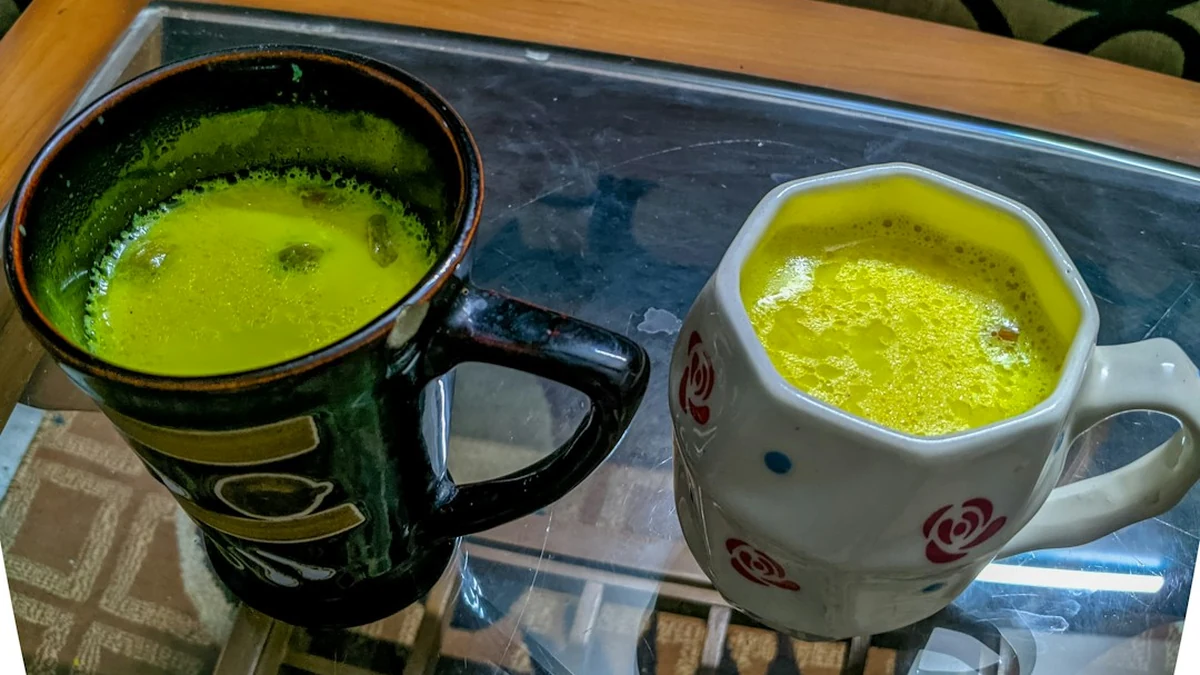
Turmeric milk, often called “golden milk”, has been enjoyed for generations as a comforting traditional drink. Made by combining milk with turmeric, it brings together the nutritional value of milk and the naturally occurring compounds found in turmeric, particularly curcumin.
In recent years, turmeric milk has also gained attention as a potential addition to a skin-friendly lifestyle. Turmeric contains compounds with antioxidant and anti-inflammatory properties that have been studied for various health applications. However, it is important to understand that drinking turmeric milk is not a proven treatment for specific skin conditions.
So, can turmeric milk actually benefit your skin? It may contribute to overall nutrition, but its effects should be viewed realistically. Here is what current evidence says about the possible relationship between turmeric, milk and healthy-looking skin.
Turmeric Milk and Its Potential Skin Benefits
Turmeric is a spice derived from the rhizome of Curcuma longa. The primary compound found in turmeric is curcumin, which gives turmeric its distinctive yellow color.
The compound curcumin has been studied for its antioxidant and anti-inflammatory effects. The NCCIH, however, says that there is not enough research to confirm that turmeric and curcumin are effective for various ailments when taken orally.
Milk provides several essential nutrients including proteins, calcium, vitamin B12, riboflavin, and if it is fortified, vitamin D and vitamin A. The T.H. Chan School of Public Health at Harvard mentions that the nutritional value differs by type of milk.

Turmeric Contains Antioxidant Compounds
One of the reasons turmeric attracts attention in skin and wellness discussions is its curcumin content. Oxidative stress is involved in several processes that affect the body, including those associated with aging and inflammation. Curcumin has demonstrated antioxidant activity in laboratory and research settings. However, laboratory findings should not automatically be interpreted as proof that drinking turmeric milk will produce a visible skin transformation.
It May Support a Nutrient-Rich Diet
The good condition of the skin requires proper nutrition. According to the American Academy of Dermatology, the best way to get necessary nutrients is to eat a proper diet without an automatic usage of beauty supplements.
The protein and different vitamins and minerals like vitamin B12 and riboflavin may be found in milk. There are some products made from milk that contain vitamin D and vitamin A.
The importance of protein intake consists in the fact that proteins are a source of amino acids used by the body in biological processes. However, one drink will not give all needed substances to the skin.
Curcumin Has Been Studied for Inflammation
Inflammation is another reason turmeric is frequently discussed in traditional wellness practices. Research has investigated curcumin for its possible effects on inflammatory processes. Preliminary findings have shown biological activity, but the NCCIH notes that evidence remains insufficient for definitive conclusions regarding turmeric supplementation for many inflammatory conditions.
This distinction matters when discussing skin. It would be inaccurate to claim that drinking turmeric milk can treat acne, eczema, pigmentation or other skin diseases simply because curcumin has anti-inflammatory properties in research.
Milk Provides Protein and Other Nutrients
The milk used in turmeric milk contributes more than just flavour and texture. According to Harvard’s Nutrition Source, milk naturally contains protein, calcium, vitamin B2, vitamin B12, potassium and phosphorus. Some varieties also provide added vitamin A and vitamin D.
The NHS also recognises milk and dairy foods as sources of protein and calcium within a balanced diet. These nutrients support normal body functions, which indirectly form part of the nutritional foundation required for healthy skin. However, consuming more milk does not necessarily mean better skin. The overall quality and variety of the diet matter more.
It Can Be a Simple Alternative to Sugary Drinks
The way turmeric milk is prepared makes a significant difference. A homemade version prepared with milk, turmeric and little or no added sugar can be a relatively simple beverage. On the other hand, adding large amounts of sugar, flavored syrups or sweetened ingredients can turn it into a much more calorie-dense drink.
It May Fit Into a Skin-Friendly Lifestyle
Healthy-looking skin is influenced by much more than a single ingredient. Daily sun protection, adequate nutrition, appropriate skincare, sleep and avoiding smoking all contribute to skin health.
The American Academy of Dermatology recommends daily sunscreen and a healthy lifestyle as part of caring for healthier-looking skin. It also emphasizes obtaining essential nutrients from a balanced diet.
How to Prepare Turmeric Milk for Everyday Use
A simple preparation can include:
1 cup of milk or an appropriate fortified dairy alternative
A small amount of turmeric powder
Cinnamon or ginger for flavour, if desired
Little or no added sugar
The exact quantity of turmeric does not need to be excessive. More turmeric does not automatically mean greater health benefits.

Turmeric Milk and Skin Glow
There is a lot of online discussion around turmeric drinks and “glowing skin”. However, there is not enough high-quality evidence to say that drinking turmeric milk directly makes the skin glow.
A person’s skin appearance can be influenced by genetics, age, sun exposure, skincare, hydration, sleep, nutrition and underlying skin conditions. The American Academy of Dermatology notes that skin can reflect factors such as sun exposure, hydration and overall health.
Precautions When Consuming Turmeric Milk
Turmeric used in normal culinary amounts is different from concentrated curcumin supplements. The NCCIH reports that oral turmeric can cause side effects such as stomach upset, nausea, acid reflux, diarrhoea or constipation in some people. It also notes that some highly bioavailable curcumin formulations have been associated with liver injury.
People who take regular medication should also speak with a healthcare professional before starting concentrated turmeric or curcumin supplements because herbal products can interact with medicines.

Turmeric Milk and Skincare: Choosing the Right Approach
Turmeric milk and skincare serve different purposes. Drinking turmeric milk provides nutrients as part of your diet. Skincare products, meanwhile, are formulated to work directly on the skin. If your concern is acne, dark spots, pigmentation, dryness or premature ageing, evidence-based topical skincare and professional dermatological treatment may be more appropriate.
For everyday skin care, sunscreen remains particularly important. The American Academy of Dermatology recommends broad-spectrum SPF 30 or higher and other sun-protection measures.
In other words, turmeric milk can complement a healthy lifestyle, but it should not replace sunscreen, moisturizer, prescribed treatment or dermatologist-recommended care.
Final Thoughts
Turmeric milk can be a pleasant and nutritious addition to a balanced diet. Turmeric provides curcumin and other naturally occurring compounds, while milk can contribute protein and important vitamins and minerals. Research into curcumin continues, but there is currently not enough evidence to describe turmeric milk as a proven treatment for specific skin problems.
For healthier-looking skin, focus on the bigger picture: eat a varied diet, protect your skin from the sun, stay adequately hydrated, follow a suitable skincare routine and seek professional advice when a persistent skin concern does not improve.
Sources and References
- National Center for Complementary and Integrative Health (NCCIH) – Turmeric: Usefulness and Safety — USA – NCCIH – Turmeric: Usefulness and Safety
- American Academy of Dermatology – Vitamins and Supplements for Skin — USA – American Academy of Dermatology – Vitamins and Supplements for Skin
- Harvard T.H. Chan School of Public Health – Milk — USA – Harvard Nutrition Source – Milk
- NHS – Eating a Balanced Diet — UK – NHS – Eating a Balanced Diet
- American Academy of Dermatology – 10 Skin Care Secrets for Healthier-Looking Skin — USA – American Academy of Dermatology – Skin Care Secrets


Thank you for your comment!
Your message has been received and sent to the Dermis 365 clinical team for review. It will be published publicly as soon as it is approved by a clinic administrator.
Leave a Clinical Thought or Question
Your email address will not be published. Required fields are marked *