
Home Remedies for Dark Spots on Face: Safe Tips for Clearer-Looking Skin

Dark spots on the face are a common skin concern. They can appear after acne, excessive sun exposure, skin irritation, hormonal changes or an injury. Sometimes they are barely noticeable, while in other cases they can make the complexion look uneven.
These marks are generally caused by increased melanin production in certain areas of the skin. The medical term for this is hyperpigmentation. Although dark spots are usually harmless, they can take time to fade.
Causes of Dark Spots on the Face
There are various factors which lead to the development of dark spots. The first one is hyperpigmentation due to skin inflammation following acne, rash, cuts, burns, and other forms of skin inflammation. The second one is exposure to sunlight, since UV light promotes increased melanin production and increases pigmentation. As stated by Cleveland Clinic, sun exposure can result in hyperpigmentation and age spots, while skin inflammation and injury may affect skin coloration.
Home Remedies and Simple Tips for Dark Spots
Make Sunscreen a Daily Habit
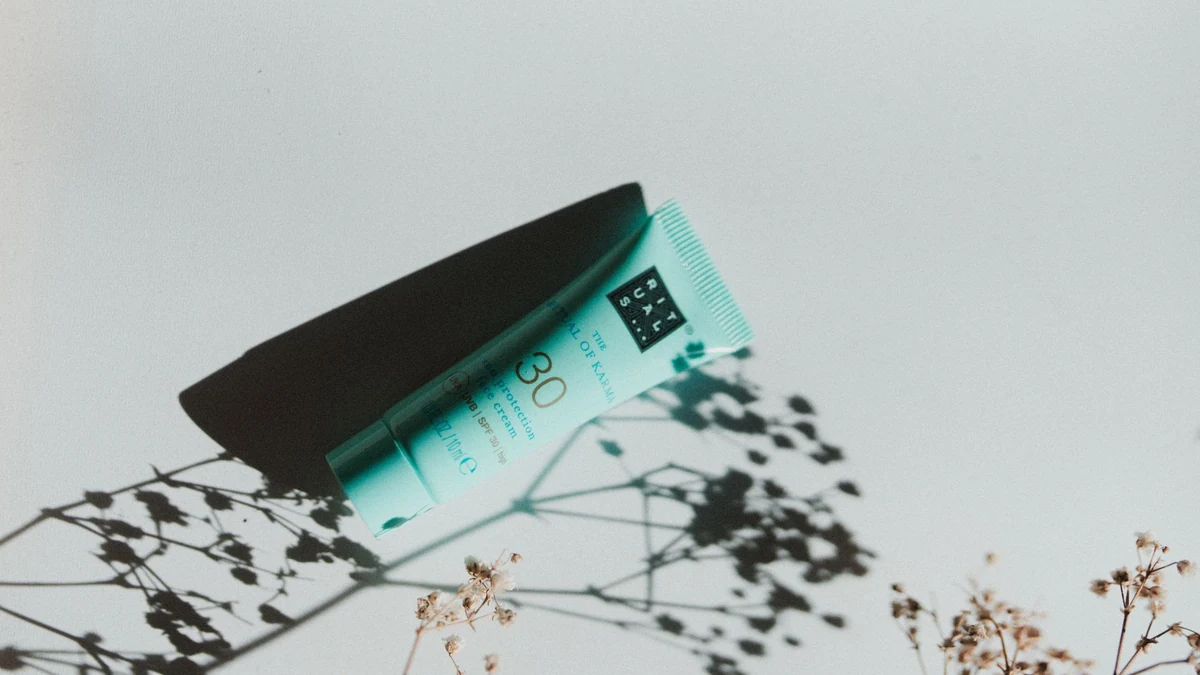
When you wish to lighten the dark spots, there are certain essential things that you have to do. Protecting your skin from the sun should be one of those things. UV rays promote the production of extra melanin, which leads to deeper pigmentation and hinders the process. According to the American Academy of Dermatology, you need to use SPF 30 sunscreen.
Avoid Picking or Popping Pimples
Should you develop dark spots as a result of acne, frequently touching and manipulating these breakouts will exacerbate the issue. For example, squeezing an acne breakout could damage the skin around it and cause inflammation. The inflammation could result in a dark spot remaining even after the acne has healed.
According to the American Academy of Dermatology, it is important to treat both acne and dark spots resulting from breakouts especially among individuals with darker skin. It is thus easy to avoid touching these breakouts.
Keep Your Skincare Routine Gentle
The problem is that the products meant to help the skin can actually trigger the formation of the pigment if the products irritate the skin. The strong exfoliators and scrub products, as well as products that cause a burning sensation on a regular basis, can lead to inflammation of the skin. AAD suggests that one should choose mild skin care products when treating dark spots.
Try Aloe Vera for Soothing Care
Aloe vera is widely used as a soothing skincare ingredient. Applying a simple, fragrance-free aloe vera product may help moisturise and calm skin that feels dry or irritated.

However, aloe vera should not be presented as a guaranteed dark-spot remover. There is limited evidence that applying aloe vera alone can eliminate facial hyperpigmentation.
Consider Vitamin C in Your Skincare Routine
Vitamin C is a popular ingredient in products designed for uneven skin tone. Rather than using homemade mixtures of lemon or other acidic foods, a properly formulated vitamin C skincare product is a more controlled option. Cleveland Clinic notes that vitamin C serums are commonly used for skin brightening and hyperpigmentation, although visible changes are not immediate.
Keep Your Skin Moisturised
Moisturising may not directly erase dark spots, but it can help maintain a healthy skin barrier. When the skin is excessively dry or irritated, it may become more uncomfortable and reactive. A simple moisturiser can help support the skin barrier and make it easier to tolerate an appropriate skincare routine.
Use Gentle Exfoliation Carefully
Exfoliation can help remove dead skin cells from the surface, but it needs to be approached carefully. Scrubbing the face aggressively is not a safe way to remove pigmentation. Physical irritation can trigger inflammation and potentially create additional dark marks.
Lemon Juice for Dark Spots
Lemon juice is one of the most commonly recommended home remedies for pigmentation. However, applying undiluted lemon juice directly to the face is not a good idea.
Its acidity can irritate the skin. Irritation can trigger inflammation and potentially lead to more pigmentation, particularly in people who are prone to post-inflammatory dark spots.
Honey, Turmeric and Potato for Dark Spots
Honey, turmeric and potato are frequently mentioned in online skincare routines. While some of these ingredients contain compounds that have been studied for various properties, that does not mean a homemade face mask will reliably remove facial pigmentation.
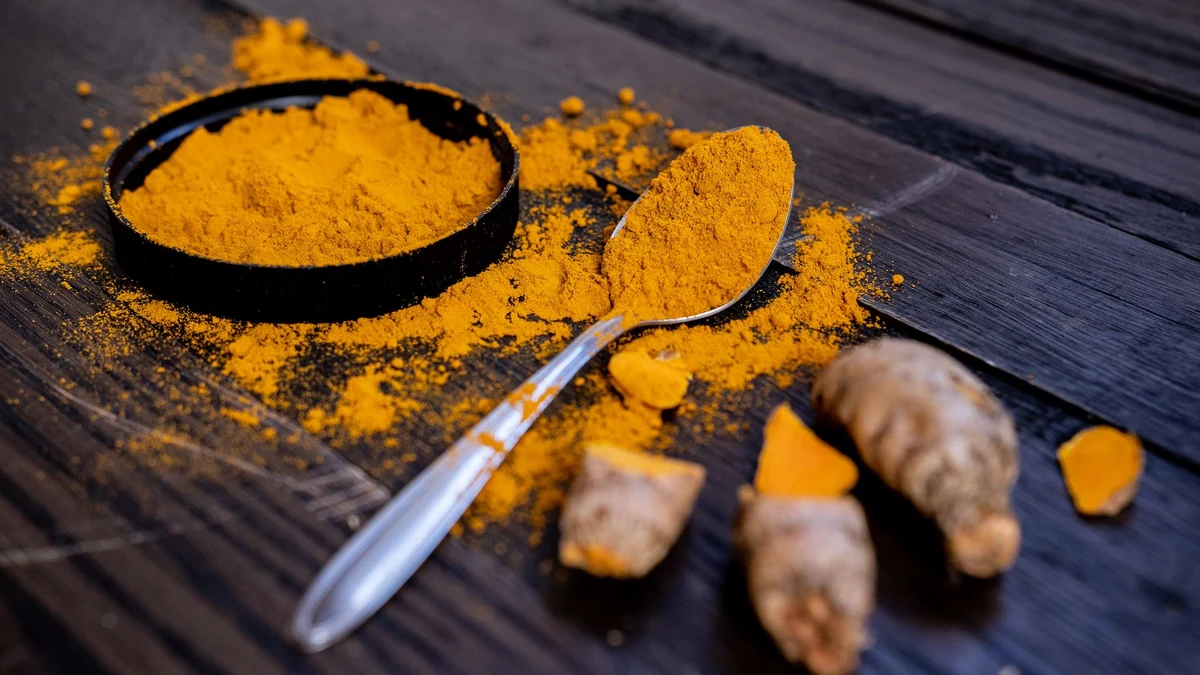
Turmeric, for example, contains curcumin, which has been researched for antioxidant and anti-inflammatory properties. However, evidence that a homemade turmeric mask can effectively remove established facial dark spots is limited.
Natural Fading of Dark Spots
Some dark spots do become lighter naturally once the original trigger has stopped. For example, post-inflammatory pigmentation may gradually improve after acne, irritation or an injury has healed. However, the process can take weeks or months, depending on factors such as the depth of pigmentation and your skin type.
The American Academy of Dermatology notes that dark spots can take a considerable amount of time to fade, particularly when the underlying cause continues.
Professional Treatments for Persistent Dark Spots
When home care is not enough, dermatologists have several options depending on the cause. These can include prescription topical treatments, chemical peels, laser-based procedures and other professional approaches. Treatment should always be selected according to the pigmentation type and individual skin characteristics.

Cleveland Clinic notes that options for some types of hyperpigmentation can include topical treatments, chemical peels, laser treatments and other procedures.
Microdermabrasion is another cosmetic procedure sometimes used for sun-induced pigmentation and other skin concerns. Healthdirect Australia notes that several sessions may be required and that the procedure should not be performed over certain active skin problems or sunburn.
A Simple Daily Routine for Dark Spots
A straightforward routine may be easier to maintain than using numerous products.
Morning:
Cleanse gently, apply a suitable moisturiser if needed and finish with broad-spectrum SPF 30 or higher.
Evening:
Cleanse your face, use one appropriate targeted product if recommended or tolerated, and moisturise.
Most importantly, give the routine time. Constantly switching between products can make it difficult to know what is helping and can increase the risk of irritation.
Final Thoughts
For home remedies to remove dark spots on the face, it is important to take more care of the skin by making it healthy rather than trying too hard to lighten the pigment.
Sun protection, cleansing, hydration, not popping pimples and using appropriate skincare products will lay down a good base to achieve skin of even tone. Other ingredients like vitamin C can have a place in skincare routine, but generally, it takes some time to see any improvement.
It is wise to stay away from harsh treatments for dark spots such as applying lemon juice straight to the skin, scrubbing and anything else which can irritate the skin.
Sources and References
- American Academy of Dermatology – How to Make Melasma Less Noticeable — USA – American Academy of Dermatology – Melasma Guidance
- American Academy of Dermatology – Tips for Clearing Acne in Darker Skin Tones — USA – American Academy of Dermatology – Acne and Dark Spots
- Cleveland Clinic – Skin Discoloration: Causes, Conditions & Treatments — USA – Cleveland Clinic – Skin Discoloration
- Cleveland Clinic – Retinol: Cream, Benefits and Uses — USA – Cleveland Clinic – Retinol and Dark Spots
- NHS – Acanthosis Nigricans — UK – NHS – Acanthosis Nigricans
- healthdirect Australia – Moles and Skin Changes — Australia – healthdirect Australia – Moles
- healthdirect Australia – Microdermabrasion — Australia – healthdirect Australia – Microdermabrasion


Thank you for your comment!
Your message has been received and sent to the Dermis 365 clinical team for review. It will be published publicly as soon as it is approved by a clinic administrator.
Leave a Clinical Thought or Question
Your email address will not be published. Required fields are marked *