
Painless FDA-Approved Laser Hair Reduction: Benefits, Safety and What to Expect
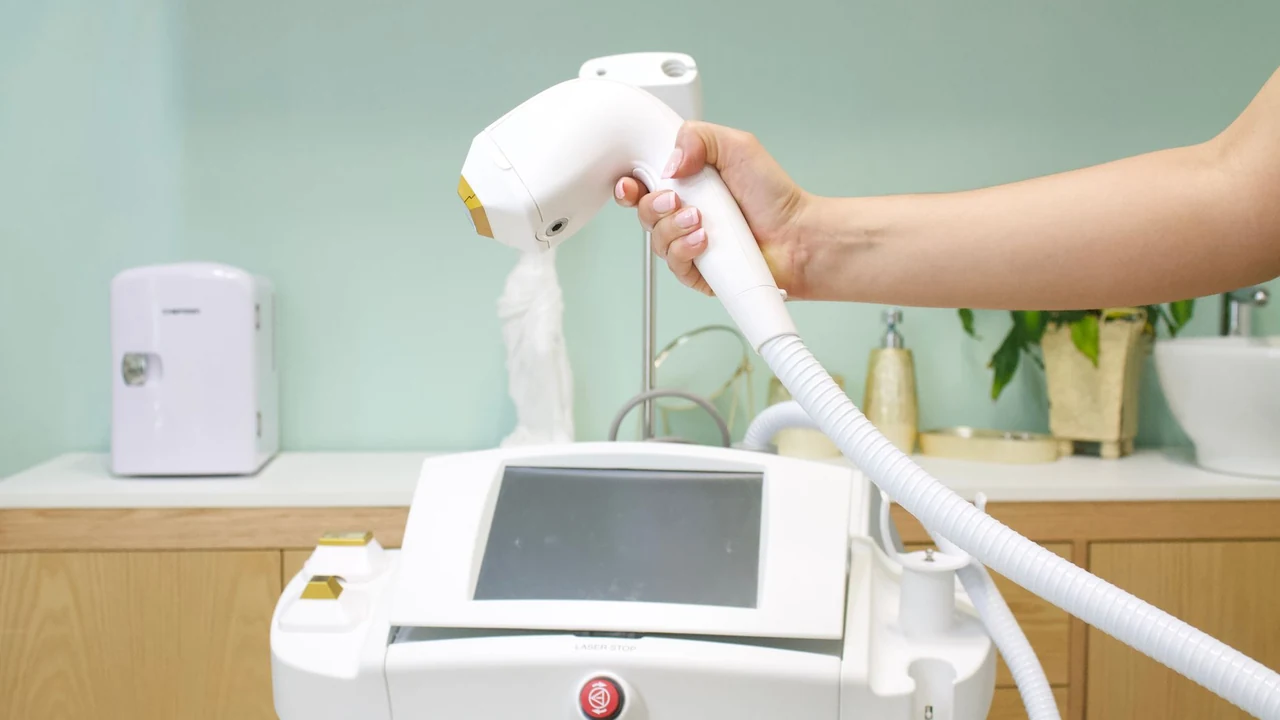
Unwanted body hair is a common concern, and regular shaving, waxing or threading can become a repetitive part of personal grooming. These methods can also cause problems such as razor bumps, ingrown hairs, skin irritation or frequent regrowth. Laser hair reduction offers a longer-lasting alternative by targeting the hair follicle with concentrated light.
Modern laser hair-removal treatments are designed to reduce unwanted hair over a series of sessions. While the procedure is often described as painless, the sensation can vary depending on the person, treatment area, laser technology and individual sensitivity. The American Academy of Dermatology (AAD) describes the sensation as feeling like warm pinpricks or a rubber band snapping against the skin for many patients.
It is also important to understand the terminology around FDA regulation. Some laser devices are FDA-cleared for hair removal or reduction. “FDA-cleared” does not mean the same thing as “FDA-approved,” and the two terms should not be used interchangeably.
Understanding Laser Hair Reduction
Laser hair reduction is a cosmetic procedure that uses concentrated light energy to target pigment in the hair. The energy is absorbed by the hair and converted into heat, which can damage the hair follicle and reduce its ability to produce hair.
Because hair grows in different stages, one treatment cannot effectively target every hair at the same time. This is why a series of sessions is usually required.
According to the AAD, many patients need around two to six treatments, although the number varies depending on factors such as hair colour, thickness, skin colour, treatment area and the type of laser being used.
Pain and Comfort During Laser Hair Reduction
The word “painless” can be misleading because everyone’s experience is different. Many people tolerate laser hair removal well, but they may notice a warm, snapping or pinprick-like sensation during individual pulses. The AAD notes that some patients describe the treatment as feeling like warm pinpricks or a rubber band being snapped against the skin.
Some modern systems incorporate cooling technology to make treatment more comfortable. Depending on the treatment area and skin sensitivity, a dermatologist may also recommend a topical numbing product.
Benefits of Laser Hair Reduction
1. Longer-Lasting Hair Reduction
Unlike shaving, which cuts hair at the skin’s surface, laser treatment works by targeting the hair follicle.
After a course of treatments, many people experience significantly reduced hair growth. The AAD reports that after multiple treatments, laser hair removal can produce permanent hair removal on many areas of the body, although facial hair in women can behave differently because of hormonal influences.
2. Less Frequent Shaving
Shaving provides short-term results because it only removes visible hair at the surface. As laser treatment reduces hair growth over time, people may not need to shave as frequently. This can be particularly convenient for areas such as the legs, underarms, bikini area, back and face.
The AAD notes that laser hair removal can also help some people who experience razor burn or ingrown hairs associated with shaving.
3. Can Be Used on Many Body Areas
Laser hair reduction can be performed on several parts of the body, depending on the individual’s suitability for treatment.
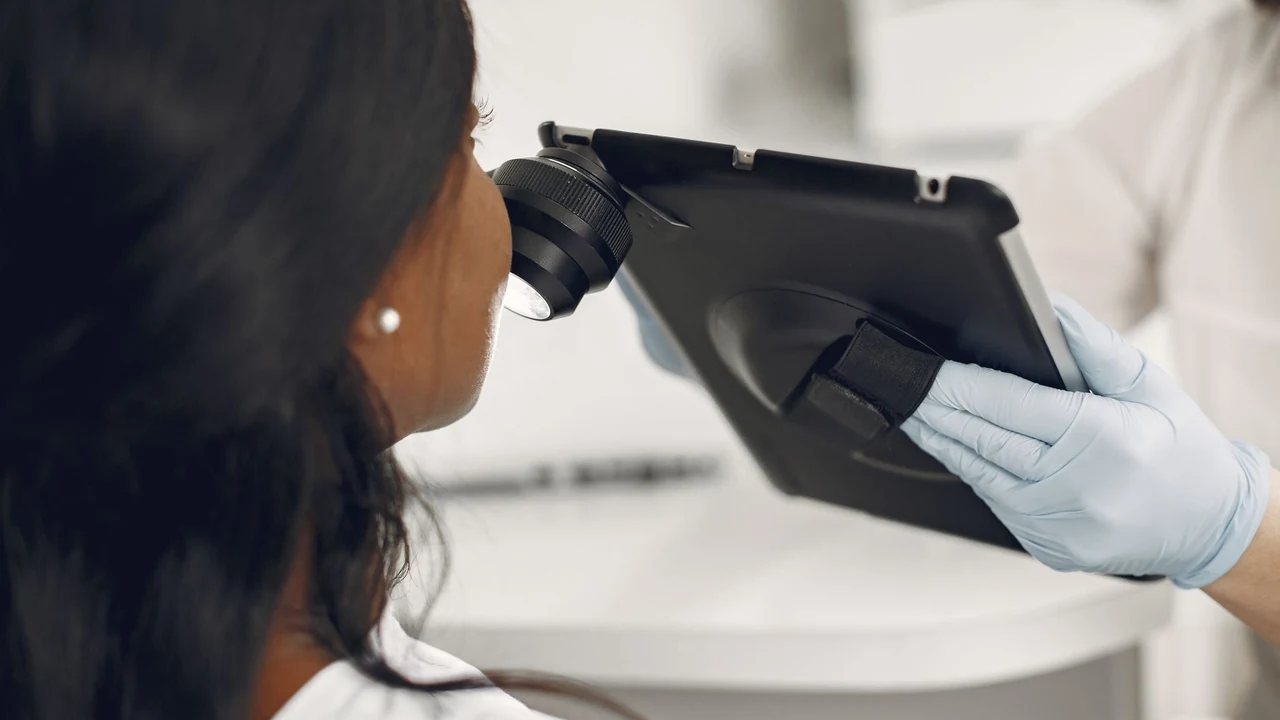
However, the type of laser, treatment settings and experience of the practitioner are extremely important. The AAD states that people of all skin tones can safely receive laser hair removal, but the practitioner should have experience treating the individual’s particular skin tone.
This is especially important for darker skin because inappropriate laser settings can increase the risk of burns or changes in skin pigmentation.
Laser Hair Reduction Treatment Process
Before treatment begins, the skin is generally cleansed and prepared. Protective eyewear is used to protect the eyes from laser energy.
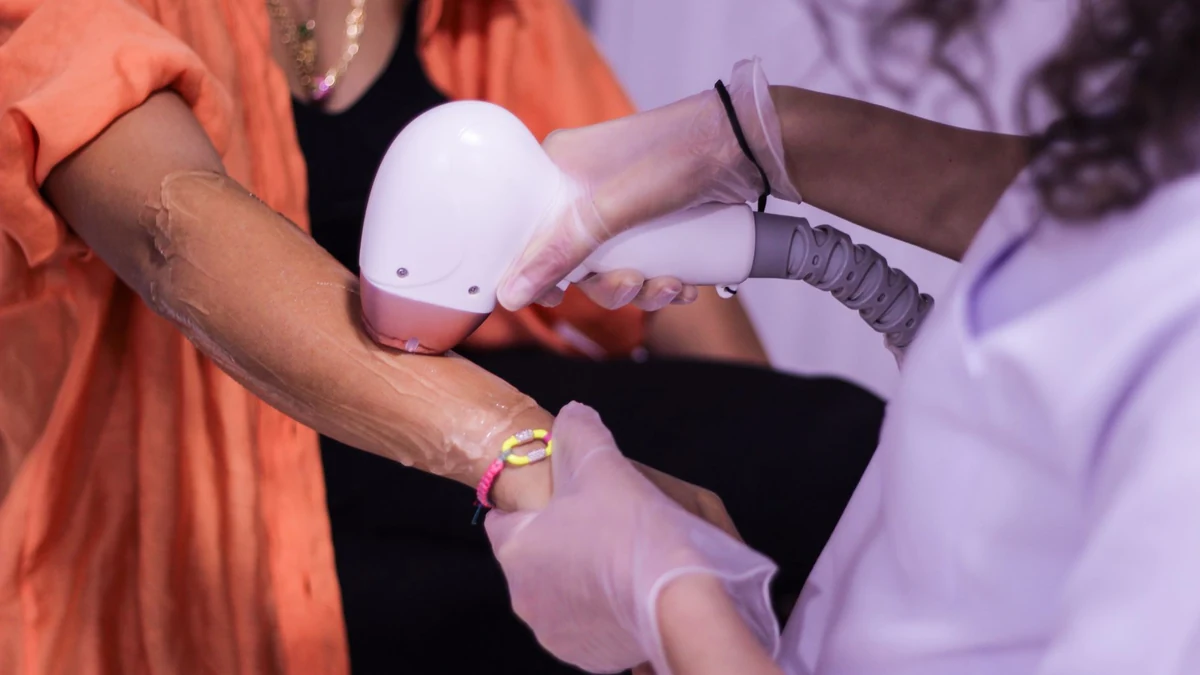
The practitioner then places the laser device against the treatment area and delivers controlled pulses of light. The duration depends on the size of the area being treated. A small area such as the upper lip may take only a few minutes, while larger areas such as the legs or back can take considerably longer.
Number of Sessions Required for Laser Hair Reduction
There is no fixed number of sessions as hair growth varies for individuals. Laser hair removal is most successful when hair is in the appropriate phase of the growth cycle. As hair does not grow at the same time, multiple sessions are necessary. According to the AAD, most patients require two to six sessions of laser hair removal treatment.
Pre-Treatment Preparation for Laser Hair Reduction
Preparation can influence both comfort and safety. Before a laser session, your practitioner may advise you to:

- Avoid tanning: Recently tanned skin can increase the risk of complications. The AAD recommends avoiding tanning and protecting the skin from the sun before laser treatment.
- Protect your skin: Use broad-spectrum SPF 30+ sunscreen when outdoors and follow the sun-protection instructions provided by your dermatologist.
- Avoid certain hair-removal methods: Your practitioner may recommend avoiding waxing, plucking or other methods that remove the hair from the root before treatment because the laser needs to target the hair follicle.
- Tell your dermatologist about medications: Certain medicines and previous treatments can affect whether laser treatment is appropriate. The AAD recommends discussing your medications, recent tanning, scarring tendency and other relevant medical information during consultation.
Potential Side Effects of Laser Hair Reduction
Laser hair removal is mostly safe provided that it is performed properly, but there are certain risks associated with it.

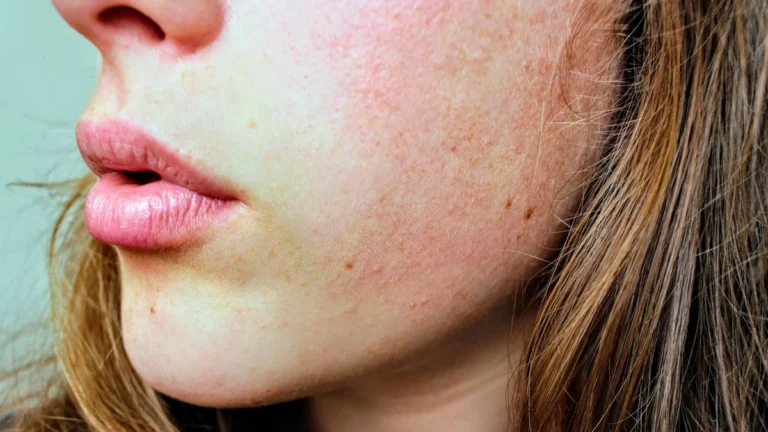
Side effects may include temporary swelling, redness, and pain. Blistering, infections, scarring, cold sore activation, and even changes in pigmentation may happen. In certain cases, changes in pigmentation are irreversible.
AAD stresses the fact that laser hair removal can be hazardous in the hands of unprofessional persons and advises to select a dermatologist proficient in laser treatments and skin.
Final Thoughts
Laser hair reduction, which is painless or relatively comfortable compared to shaving and waxing among other temporary hair removal methods, may turn out to be a convenient solution for people looking for a permanent hair removal solution.
But while “painless” means a relatively well-tolerated procedure, it does not mean that everyone will feel nothing during the procedure. The same applies to the term “FDA approved” which is often erroneously used in place of “FDA cleared” to indicate that the device has gone through certain regulatory procedures.
It is best to find a qualified specialist who would be able to conduct a consultation and inform you of all the details concerning the treatment.
Sources
- U.S. Food and Drug Administration (FDA) – Frequently Asked Questions About Lasers — USA – FDA – Frequently Asked Questions About Lasers
- American Academy of Dermatology – Laser Hair Removal: FAQs — USA – American Academy of Dermatology – Laser Hair Removal FAQs
- American Academy of Dermatology – Laser Hair Removal: Overview — USA – American Academy of Dermatology – Laser Hair Removal Overview
- American Academy of Dermatology – Laser Hair Removal: Preparation — USA – American Academy of Dermatology – Preparing for Laser Hair Removal
- American Academy of Dermatology – 6 Ways to Remove Unwanted Hair — USA – American Academy of Dermatology – Hair Removal Options
- healthdirect Australia – Finding the Right Health Professional — Australia – healthdirect Australia – Finding a Health Professional



Thank you for your comment!
Your message has been received and sent to the Dermis 365 clinical team for review. It will be published publicly as soon as it is approved by a clinic administrator.
Leave a Clinical Thought or Question
Your email address will not be published. Required fields are marked *