
What Does 1 Cup of Pomegranate Give Your Body? Nutrition and Health Benefits
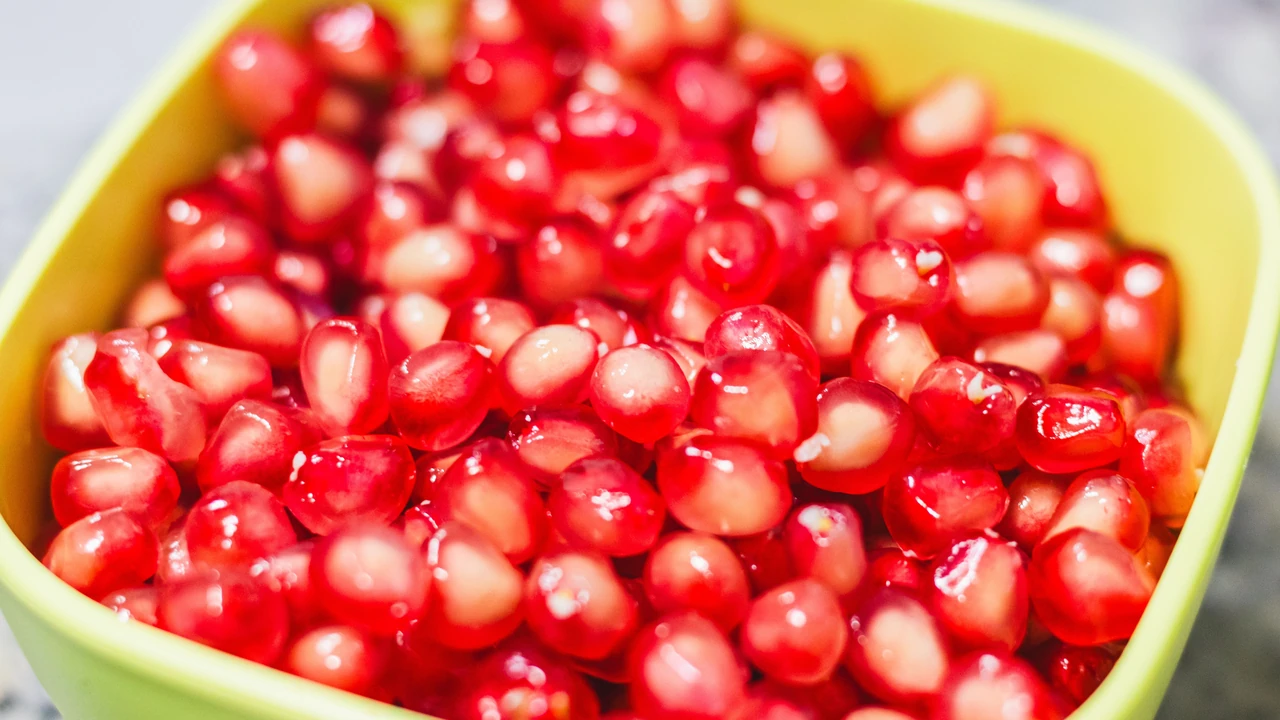
Pomegranate is an example of fruit that is unique not only by its taste but also by its nutritional value. The ruby-red arils of this fruit contain fiber, vitamins, minerals, and antioxidants. But what exactly will you receive from a cup of pomegranate arils?
The nutrients in a cup (174 grams) of fresh pomegranate arils include 144 calories, 32 grams of carbohydrates, 7 grams of fiber, and 3 grams of protein. The cup also provides vitamin C, vitamin K, folate, and potassium. Nutritional content may vary based on the specific fruit and portion size.
Apart from the mentioned nutritional information, the polyphenols and antioxidant components of the fruit make it unique and thus become a subject for nutrition studies.
What You Get From One Cup of Pomegranate
A cup of pomegranate arils is more than just a sweet snack. It contributes several nutrients that can support normal body functions when included as part of a varied diet.
These figures are based on commonly reported USDA-derived food composition data for raw pomegranate arils. They should be viewed as approximate because the nutritional composition of fresh fruit can vary.
A Useful Source of Dietary Fibre
One of the most important aspects of pomegranate juice is the amount of fibre it contains. Approximately 7 grams of fibre could be significant when contributing to daily fibre needs.
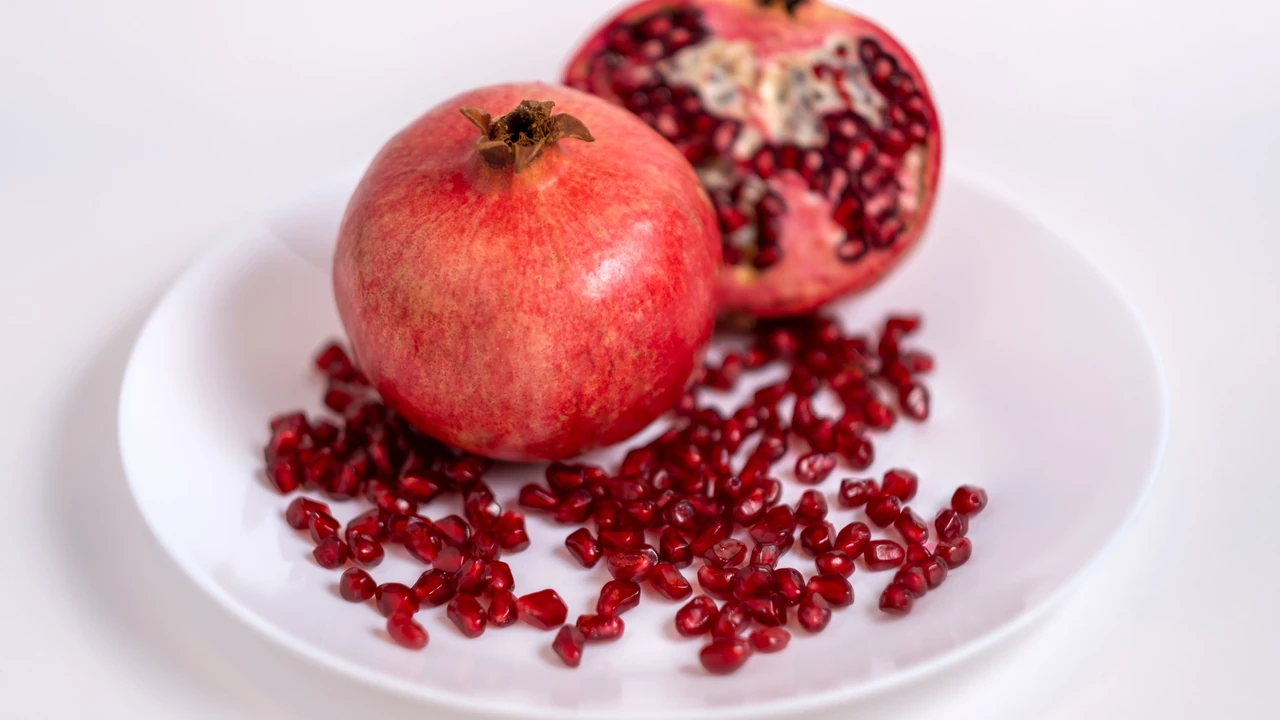
Fibre plays an important role in healthy digestion and helps to increase bulk. Fibre makes the whole fruit much more filling compared to other fruit juices. Hence, consuming arils instead of pomegranate juice could be considered more nutritious.
Healthy nutrition includes a combination of various fruits that contain fibre. In Australia, there is similar advice about eating healthy food in order to get all necessary nutrients from various products.
It Provides Antioxidant Plant Compounds
In terms of the natural components, pomegranate is well-known for the polyphenols and other types of plant-based chemicals that act as antioxidants.
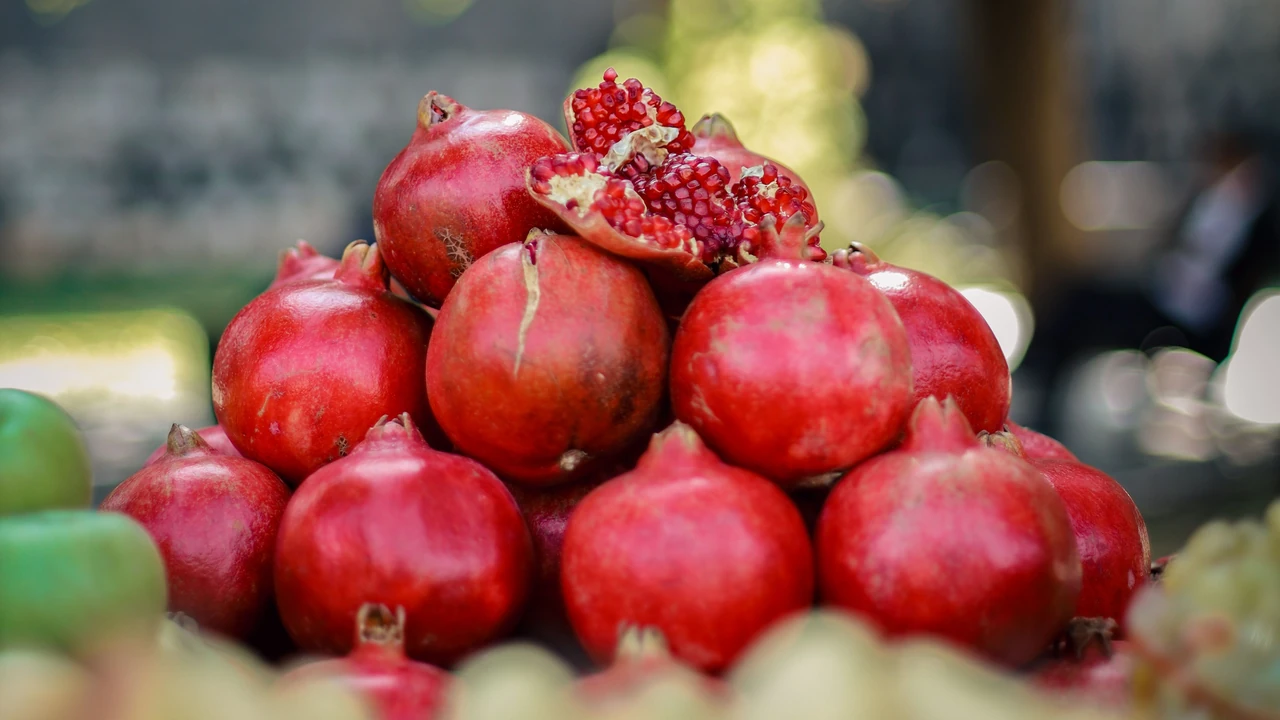
According to the Cleveland Clinic, there are antioxidants in pomegranates and these antioxidants might protect the body from the oxidative stress. Yet, one should not consider the consumption of pomegranate as some treatment or prevention against a particular disease. It is better to focus on the proper healthy diet that includes the intake of pomegranate.
Also, the Australian healthdirect organization provides information about the existence of antioxidants in numerous products. Moreover, each antioxidant does not have all possible benefits, and the intake of different plant foods is much better than eating one so-called superfood.
Vitamin C for Everyday Nutrition

A cup of pomegranate arils contains vitamin C, which is a nutrient that has multiple uses within the body. The vitamin is responsible for boosting the immune system and has antioxidant properties as well.
The pomegranate is not the best source of vitamin C as there are more effective sources available. According to the Australian healthdirect website, vitamins and minerals should be sourced via a well-balanced diet. This means that the pomegranate should serve as a complement to a fruit-filled diet.
Potassium for a Balanced Diet
A cup of pomegranate provides roughly 400 mg of potassium. Potassium is an essential mineral that supports normal muscle and nerve function and is an important part of a balanced diet.
Getting potassium from foods such as fruits, vegetables, legumes and other nutrient-rich foods can contribute to overall dietary quality. However, people with certain medical conditions, particularly those affecting kidney function, may need individual advice about potassium intake.
It Adds Folate and Vitamin K
Moreover, pomegranate contains modest amounts of other nutrients like folate and vitamin K. Folates help with cell division and other biological functions, whereas vitamin K is used in proper blood coagulation and good bone health. One cup of the fruit will not contain all of the necessary nutrients, but it may serve as a source for your everyday nutritional intake if used together with other foods.
This is one of the crucial aspects to be taken into account when analyzing any fruit as the nutritional benefits are provided by the sum of foods you eat each day.
Whole Pomegranate Is Different From Pomegranate Juice
One thing that should be pointed out about consuming fresh pomegranate arils versus pomegranate juice is that in the case of fresh fruits, one is able to receive fiber together with all other nutrients contained in the fruit, while juice contains substantially less fiber since many parts of fruit have been eliminated.
As Cleveland Clinic advises, when one wants to avoid the intake of high amounts of sugar, it is better to opt for the whole fruit rather than some juice produced by bottling companies. However, it is worth noting that fresh pomegranate arils and juice differ from those that have been bottled.
It is not meant to suggest that pomegranate juice is harmful to health; it is just the matter of portion size and whether there is additional sugar added or not.
How Pomegranate Can Fit Into Your Diet
One of the simplest methods to have pomegranates is to have the arils all by themselves. Not only are they delicious as they are, but their sour and sweet taste complements savory and sweet dishes well.
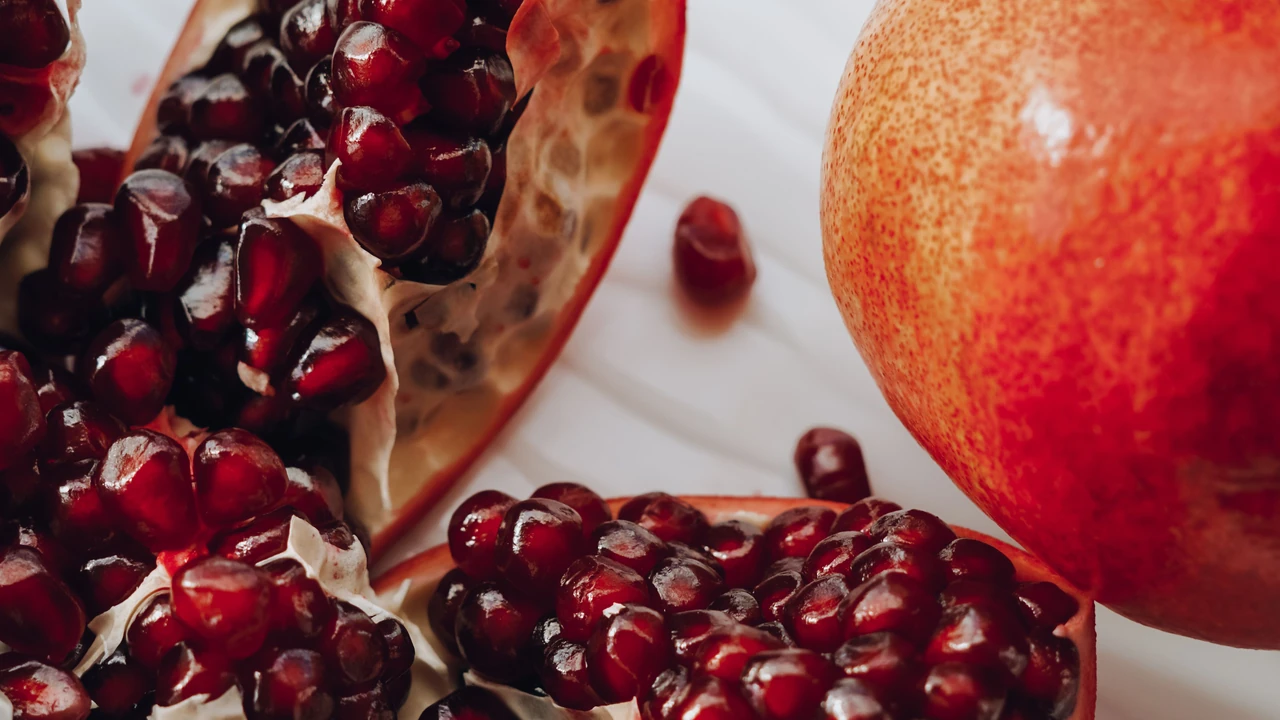
They can be sprinkled over yogurt, used in fruit salad, added in salads, or even placed over oats. Including them in your meals or snacks with proteins or healthy fats will ensure that you get a healthier balance.
The Australian Dietary Guidelines suggest eating a variety from each of the major food groups instead of relying on specific foods. The pomegranate can easily adapt itself to this dieting method as it will be just one of the many fruits.
Is Eating One Cup of Pomegranate Every Day a Good Idea?
For most healthy people, pomegranate can be a nutritious part of a varied diet. However, there is no requirement to eat exactly one cup every day to obtain its benefits.
A person’s nutritional needs depend on factors such as age, activity level, overall diet and health conditions. Portion sizes should also fit into the person’s total daily food intake.
It is better to think of pomegranate as one nutrient-rich fruit among many rather than as a food that can provide everything the body needs.
Are There Any Reasons to Be Careful?
Pomegranate is generally considered a nutritious fruit, but individual circumstances matter. People managing conditions such as diabetes, kidney disease or food allergies may need personalised dietary guidance.
It is also important not to confuse the fruit with concentrated supplements or extracts. Eating a whole fruit provides a combination of nutrients and plant compounds in their natural food matrix. Australian health guidance advises getting antioxidants primarily from foods rather than relying on antioxidant supplements.
If you take regular medication or have a medical condition, speak with your doctor or registered dietitian before making significant dietary changes or using concentrated pomegranate products.
The Bottom Line
One cup of pomegranate arils gives your body a useful combination of fibre, vitamin C, vitamin K, folate, potassium and naturally occurring plant compounds. At around 144 calories, it can be a nutrient-dense addition to meals or snacks.
Its antioxidant content makes it especially interesting from a nutrition perspective, but it should not be treated as a miracle food or a treatment for disease. The strongest approach is to include pomegranate alongside a wide variety of fruits, vegetables, whole grains, legumes, nuts, seeds and other nutritious foods.




Thank you for your comment!
Your message has been received and sent to the Dermis 365 clinical team for review. It will be published publicly as soon as it is approved by a clinic administrator.
Leave a Clinical Thought or Question
Your email address will not be published. Required fields are marked *