
Sun Tan Removal: Treatments and Tips for a More Even Skin Tone

Spending time outdoors can leave your skin looking noticeably darker than its usual tone. This change is commonly called a suntan and occurs because the skin produces more melanin in response to ultraviolet (UV) exposure. While a tan may fade gradually, repeated unprotected exposure can also contribute to uneven pigmentation, premature skin ageing and other forms of sun damage. The American Academy of Dermatology notes that tanning is a sign of skin damage rather than a healthy protective response.
If your skin has become tanned after spending time outdoors, the goal should not be to remove colour aggressively. Instead, a gentle routine focused on preventing further UV exposure and supporting the skin’s natural renewal process can help the skin gradually return towards its usual tone.
Causes of Sun Tan
Sunlight has ultraviolet rays that include UVA and UVB rays. Upon exposure of the skin to UV light, there will be an increased production of melanin, which will result in darkening of the skin.
Skin aging is caused by the exposure to UVA rays, while UVB rays cause sunburns. The two types of ultraviolet rays are capable of causing damage to the skin.
However, skin tan varies from one individual to another in terms of quantity and visibility due to skin color, genetic makeup, time period of exposure, and UV light exposure strength. Skin tan may also be induced in people with darker skin.
Natural Fading of Sun Tan
Yes. A tan can gradually become less noticeable as the skin naturally renews itself and excess pigment decreases. However, the process is not immediate.
If what appears to be a tan is actually persistent hyperpigmentation, the colour may take considerably longer to fade. The AAD notes that some dark spots can take months to become lighter, particularly when pigment lies deeper within the skin.
Sun Tan Removal Treatments
Consistent Sunscreen Use
Sun protection should be the starting point when trying to prevent sun-induced tanning. Exposing your tanned skin to ultraviolet rays may result in further production of pigments making the skin look uneven.
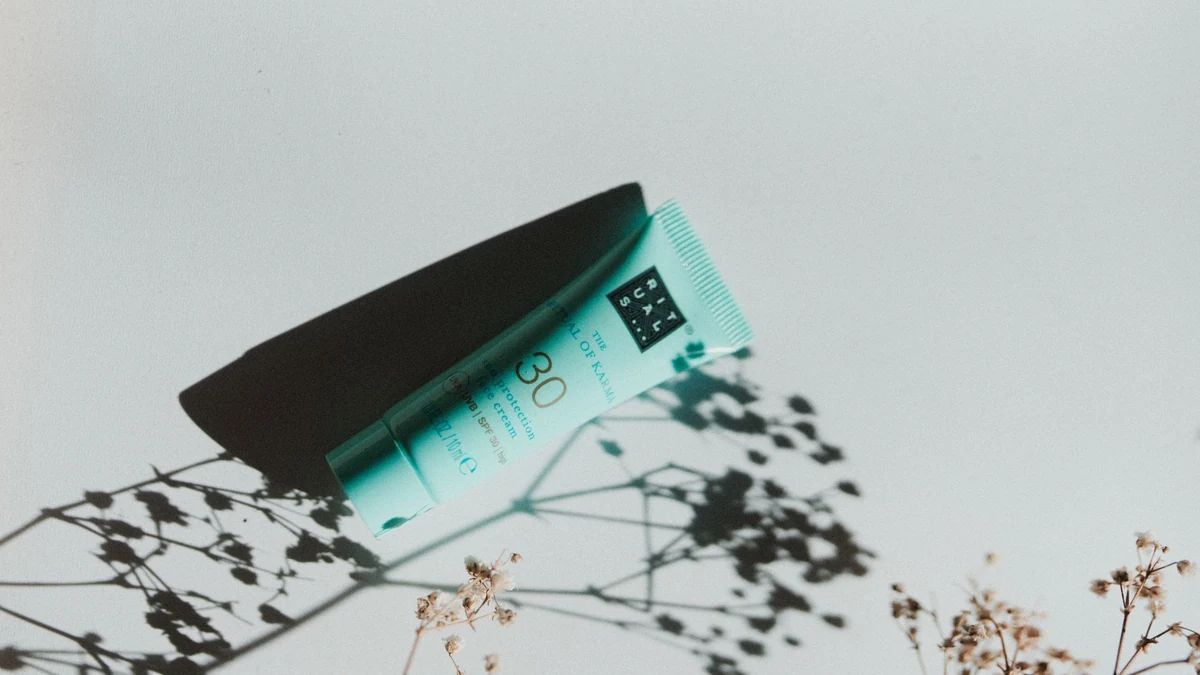
According to the American Academy of Dermatology, one should use a broad spectrum, water resistant sunscreen with SPF 30 or above. It should be reapplied every two hours while being outside and after swimming or sweating.
Gentle Exfoliation
Exfoliation that is not too aggressive will help eliminate the buildup of dead skin and make skin appear evener. But increased exfoliation does not always mean that tanning will be removed any faster.
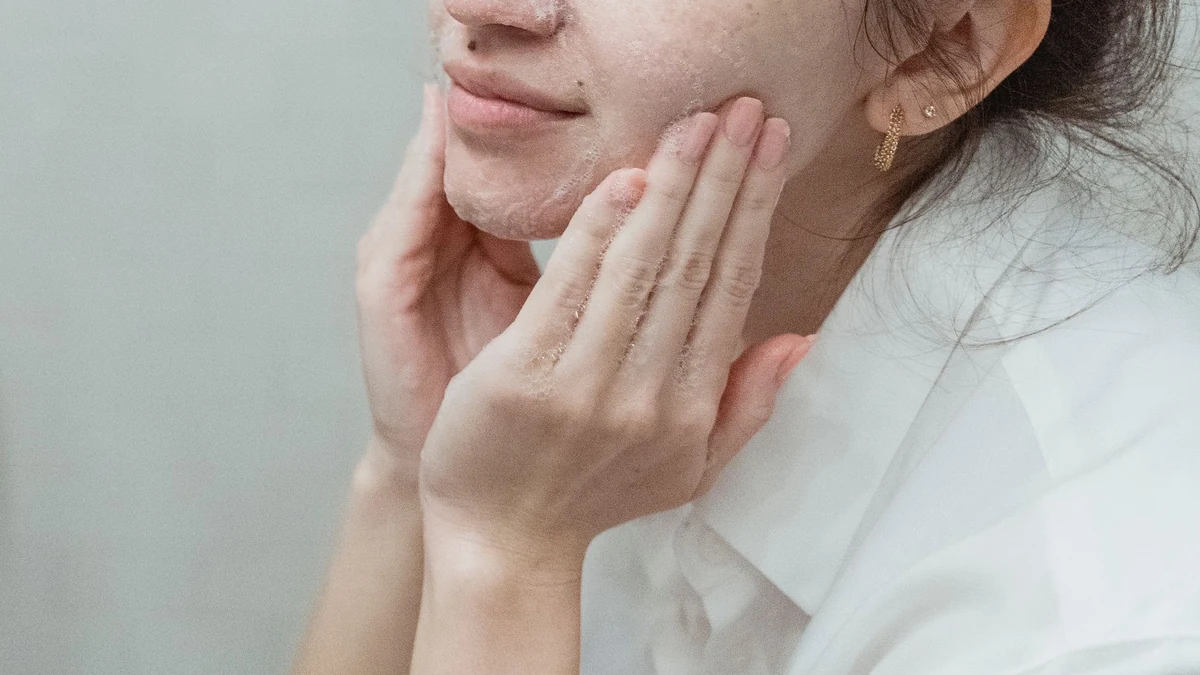
Stay away from scrubs that are too aggressive or brushes that are too rough. In addition, you should not use a product that causes burning or stinging as this may be an irritant to your skin.
Skin-Brightening Ingredients
Certain topical ingredients may help improve uneven pigmentation over time. Depending on the type of pigmentation and individual skin characteristics, dermatologists may recommend ingredients such as vitamin C, azelaic acid or other pigment-targeting treatments.
The AAD lists vitamin C and azelaic acid among ingredients dermatologists may use for pigmentation concerns. Prescription treatments may also be recommended when appropriate.
Chemical Peels
Chemical peels are professional treatments that use a chemical solution to remove controlled layers of the skin. Depending on the type of pigmentation and the individual’s skin, a dermatologist may consider a peel as part of a treatment plan.
Peels are not suitable for everyone, and the strength and formulation need to be selected carefully. Improper use can cause irritation or pigmentation changes, especially in people who are prone to post-inflammatory hyperpigmentation. Dermatologists may use chemical peels as one option for certain pigmentation conditions.
Laser and Light-Based Treatments
Persistent sun damage or pigmentation may sometimes be treated with laser or light-based procedures. These treatments work differently depending on the technology used and the skin concern being addressed.

The AAD notes that dermatologists may use laser treatments, intense pulsed light and other procedures for certain forms of sun-damaged skin. However, professional assessment is important because treatment must be selected according to the patient’s skin and the type of pigmentation.
Simple Tips to Prevent Further Tanning
Treating a tan is only one part of the process. Preventing repeated UV exposure is equally important.
Wear Sun-Protective Clothing
Long sleeves, sunglasses and a wide-brimmed hat can reduce the amount of direct sunlight reaching exposed skin. Seeking shade during periods of strong sunlight can also help reduce UV exposure.

Apply Sunscreen Correctly
Apply sunscreen to exposed areas before going outdoors and remember commonly missed areas such as the ears, neck, hands and the tops of the feet.
Australian healthdirect guidance recommends broad-spectrum, water-resistant SPF 30+ sunscreen and advises reapplication when outdoors. It also recommends combining sunscreen with clothing, hats and shade because sunscreen alone does not completely block UV radiation.
Do Not Depend on Home Remedies
Many online tan-removal remedies involve lemon juice, baking soda or other acidic and abrasive ingredients. These can irritate the skin and potentially make pigmentation more noticeable.
Instead of trying to strip away the upper layer of skin, focus on gentle skincare and consistent sun protection. If pigmentation is persistent, professional evaluation is a safer route.
When to Consult a Dermatologist
If pigmentation remains for a long time, repeatedly returns, becomes more pronounced or does not respond to a gentle skincare routine, a dermatologist can help determine whether it is simply tanning or another pigmentation condition.
Professional advice is particularly useful before trying chemical peels, lasers or prescription-strength products. Treatment for pigmentation works best when the underlying cause has been identified rather than simply attempting to lighten the skin.
Final Thoughts
The removal of a sun tan typically takes a long time instead of being an instantaneous one. However, the most vital thing is to avoid further damage caused by ultraviolet rays by providing some time for skin recovery.
There are several steps involved in the removal of a sun tan including regular use of sun block cream, wearing protective clothing, and proper skincare and moisturization. For those individuals who suffer from stubborn pigmentation, they may opt for dermatological solutions.
Sources and References
- American Academy of Dermatology – Sunscreen FAQs — USA – American Academy of Dermatology – Sunscreen FAQs
- American Academy of Dermatology – How Dermatologists Treat Sun-Damaged Skin — USA – American Academy of Dermatology – Sun-Damaged Skin Treatment
- American Academy of Dermatology – How to Fade Dark Spots in Darker Skin Tones — USA – American Academy of Dermatology – Fading Dark Spots
- NHS – Sunscreen and Sun Safety — UK – NHS – Sunscreen and Sun Safety
- NHS – Sunburn — UK – NHS – Sunburn Treatment and Advice
- healthdirect Australia – Sunscreen — Australia – healthdirect Australia – Sunscreen
- healthdirect Australia – Sunburn and Sun Protection — Australia – healthdirect Australia – Sunburn and Sun Protection



Thank you for your comment!
Your message has been received and sent to the Dermis 365 clinical team for review. It will be published publicly as soon as it is approved by a clinic administrator.
Leave a Clinical Thought or Question
Your email address will not be published. Required fields are marked *