
Massage Therapy for Deep Relaxation: Benefits, Techniques and Tips
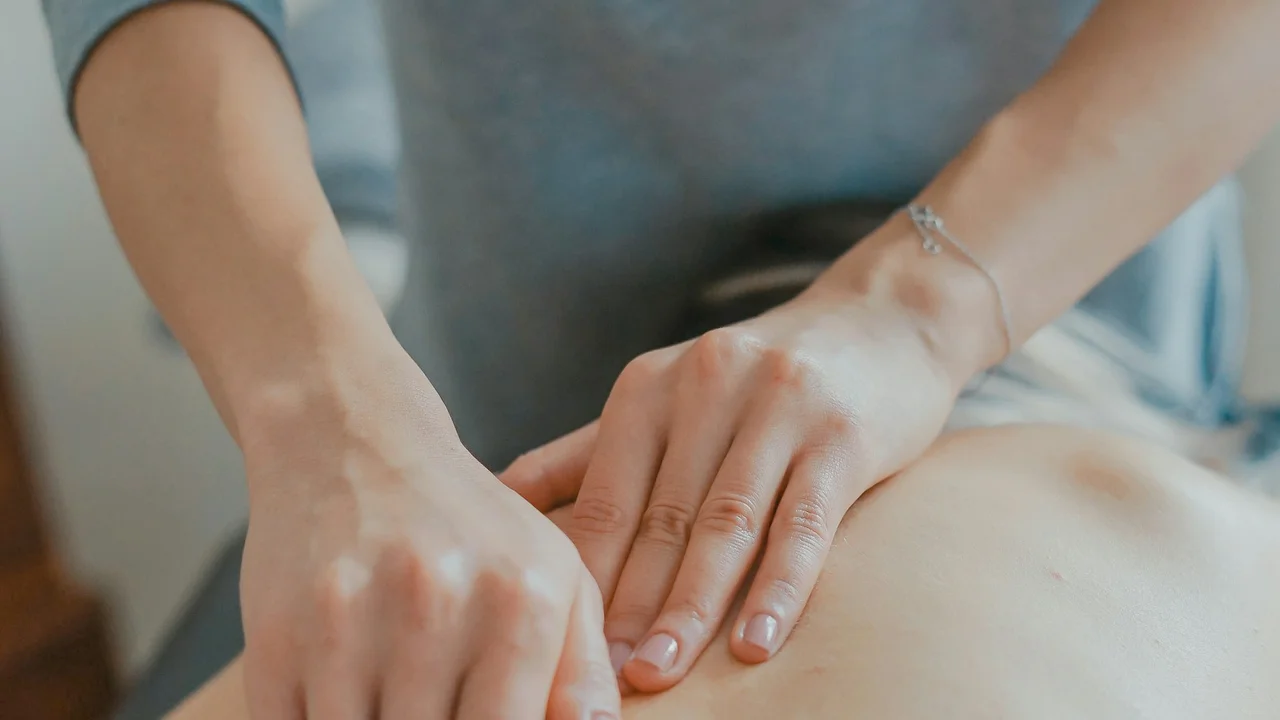
Modern life can make it difficult to truly switch off. Long working hours, daily responsibilities, physical tension and constant screen exposure can leave the body feeling tired even when you finally get a chance to rest. This is where massage therapy can become a useful part of a relaxation routine.
Massage involves applying pressure and movement to the body’s soft tissues, including muscles, skin, tendons and ligaments. Different techniques can range from gentle; flowing movements designed for relaxation to more focused pressure used for muscular discomfort. Health direct Australia describes massage therapy as a complementary approach that may help with stress, pain and muscle relaxation.
For someone looking for deep relaxation, the experience is not simply about the physical pressure. A quiet environment, slower movements and time away from everyday distractions can also make the session feel restorative.
Massage Therapy for Deep Relaxation
Relaxing massage is intended to provide a relaxed feeling and ease physical tensions. In contrast to therapeutic massage which might concentrate on the pain points, a relaxation massage utilizes soft pressure and smooth movement over wide areas of the body.
One example of such massage therapy is Swedish massage. The techniques include gliding, kneading and circular movements. According to Health direct, Swedish massage might be used for relaxing, stress reduction and easing muscle tension.
Pressure must be comfortable all the time. A good relaxation massage should never become a test of your pain tolerance.
Massage Benefits for Relaxation
Massage could impact some of the body’s physiological responses that may result in feelings of relaxation. Scientific evidence has shown that massage could affect the nervous system, among other body processes, though scientists are yet to conclusively explain how this is achieved. Healthdirect indicates that some of the body processes impacted by massage include heart rate, blood pressure, and stress response processes, including cortisol level changes.
Benefits of Massage Therapy for Deep Relaxation
Helps Release Muscle Tension
It may be due to sitting for an extended time, exercises or physical work, repetition of movements, and stressful situations.
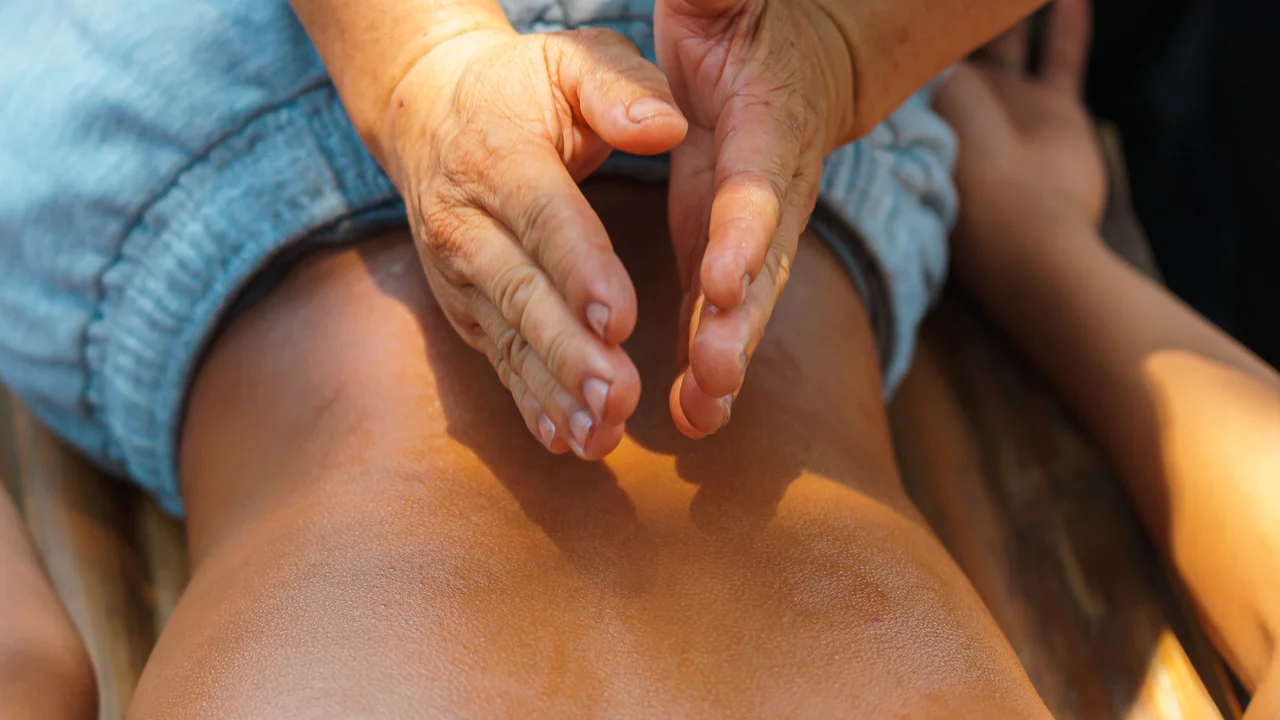
Massage can make one’s muscles loose and achieve a sense of comfort in the body. According to HealthDirect, the massage can help the muscles to be relaxed, and joint flexibility and mobility could increase.
May Help Reduce Everyday Stress
Massages may be sought out as a complementary means of coping with stress. Stress relief is listed by healthdirect as one of the purposes of massages.
Relaxation allows for a reprieve from work, home-life, and screen-time. The mere fact of being in a quiet place is enough to distinguish a massage from regular activities.

Creates a Dedicated Time to Slow Down
One overlooked benefit of massage is that it creates a period where you are encouraged to stop multitasking.
During a session, you generally lie comfortably while the therapist works on selected areas of the body. This can provide a structured opportunity to slow your breathing, reduce movement and focus on physical sensations. That pause can be particularly valuable for people whose normal day rarely includes uninterrupted rest.
May Ease General Physical Discomfort
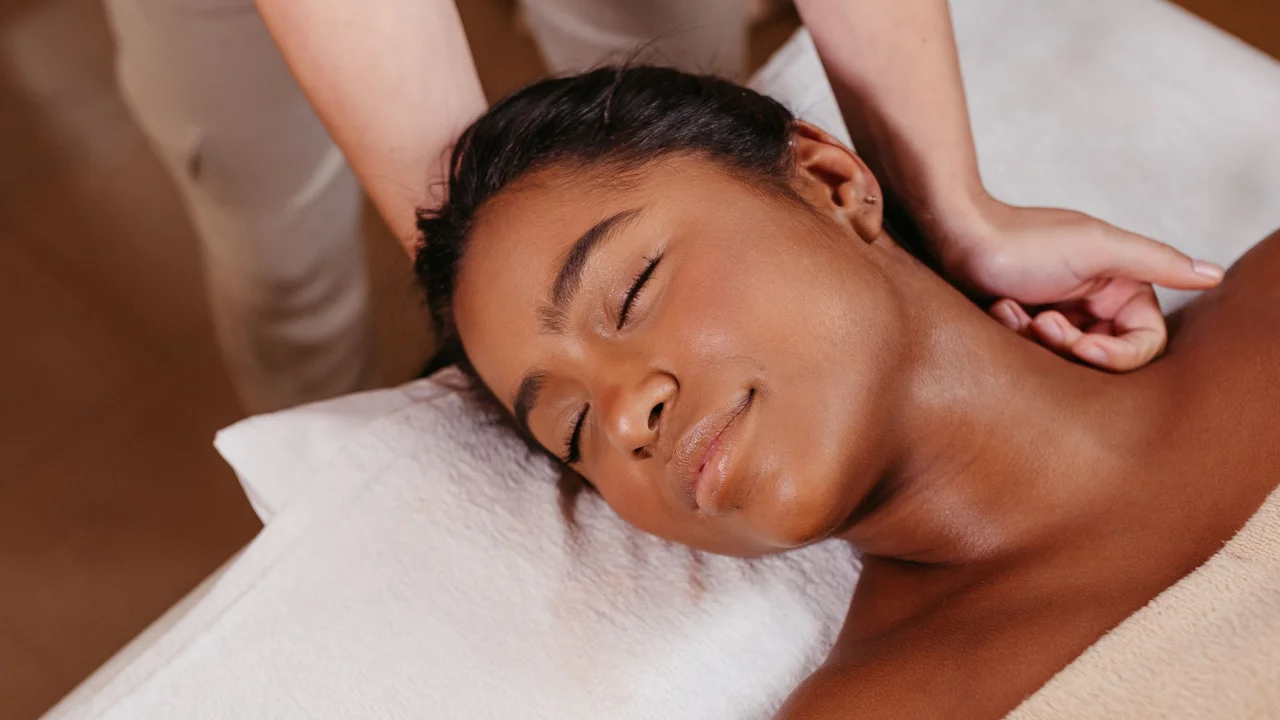
Although deep relaxation massage is not primarily a medical treatment, massage therapy may help some people manage muscular aches and discomfort.
Healthdirect notes that massage can be used for problems involving the neck, shoulders and back, as well as some other pain-related conditions.
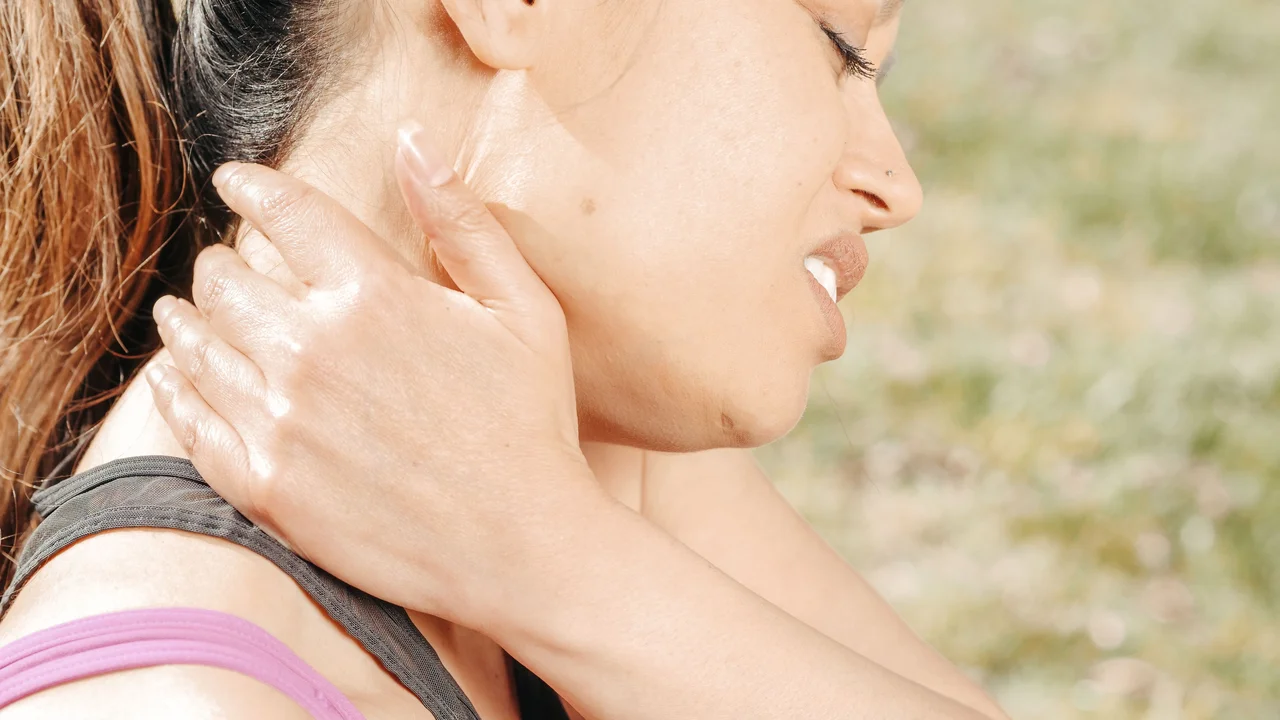
The appropriate massage style depends on the reason for treatment. Someone seeking relaxation may prefer gentle techniques, while a person with a specific musculoskeletal concern may need a more targeted approach.
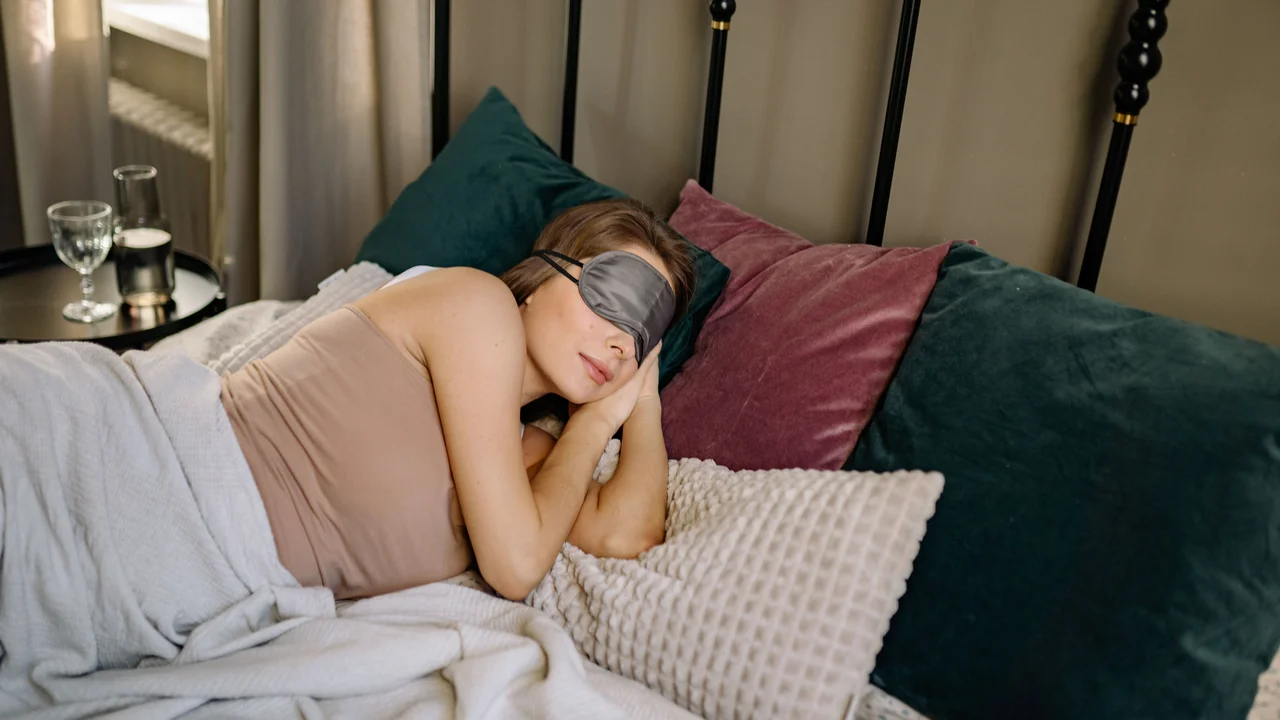
Can Support a Relaxing Bedtime Routine
A calm massage in the evening may help some people transition into a more restful part of the day. Massage should not be described as a guaranteed treatment for insomnia. However, relaxation itself can be useful when preparing for sleep. Healthdirect identifies relaxation techniques and healthy sleep habits as part of managing stress and wellbeing.
If you enjoy massage in the evening, keeping the surroundings quiet and avoiding stimulating activities immediately afterward may help preserve the relaxed feeling.
Encourages Mindful Awareness of the Body
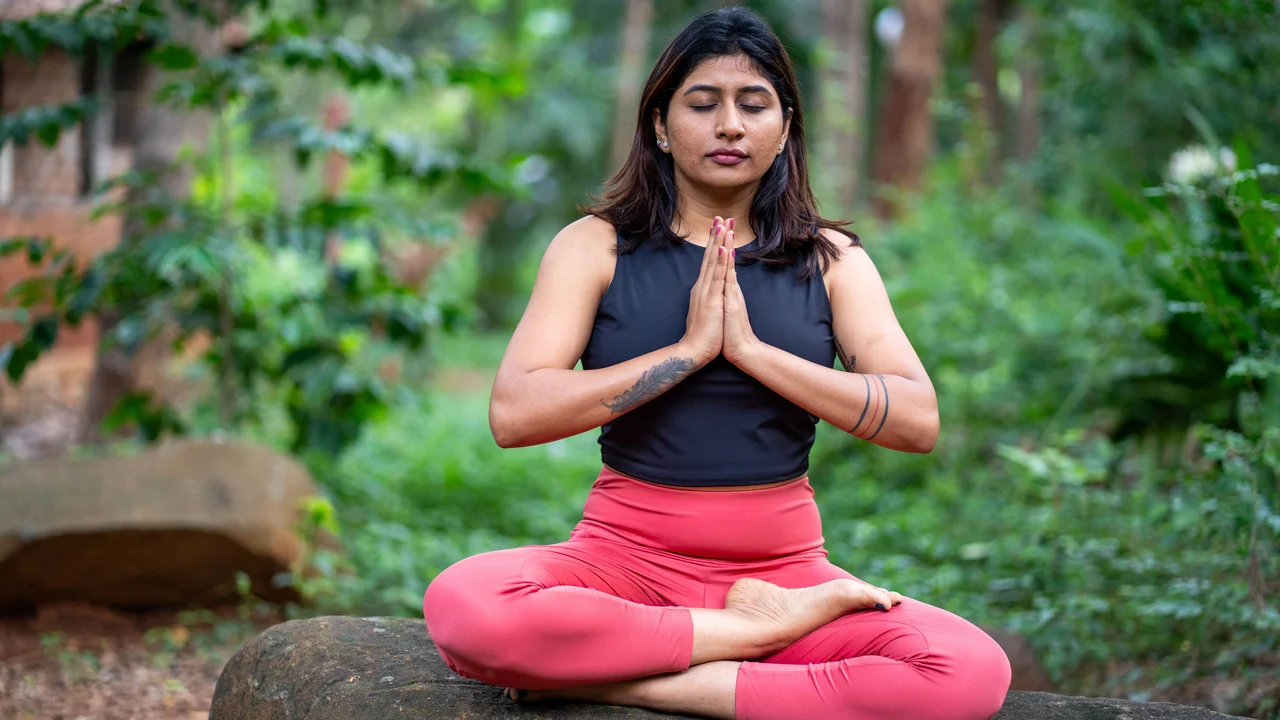
Many people spend much of their day focused on work, phones or other responsibilities. Massage shifts attention towards physical sensations.
You may notice where you are holding tension, whether your shoulders are raised or how your breathing changes when you begin to relax.
This type of body awareness can complement other relaxation practices such as mindfulness, breathing exercises or meditation. Healthdirect describes mindfulness and meditation as techniques that can help manage stress and improve wellbeing.
Massage Techniques for Relaxation
Not every massage style has the same purpose.
Swedish Massage
Swedish massage is often associated with relaxation. Long, flowing strokes and kneading movements are generally used to work across the muscles. It may also be used for stress and muscle tension.
Relaxation Massage
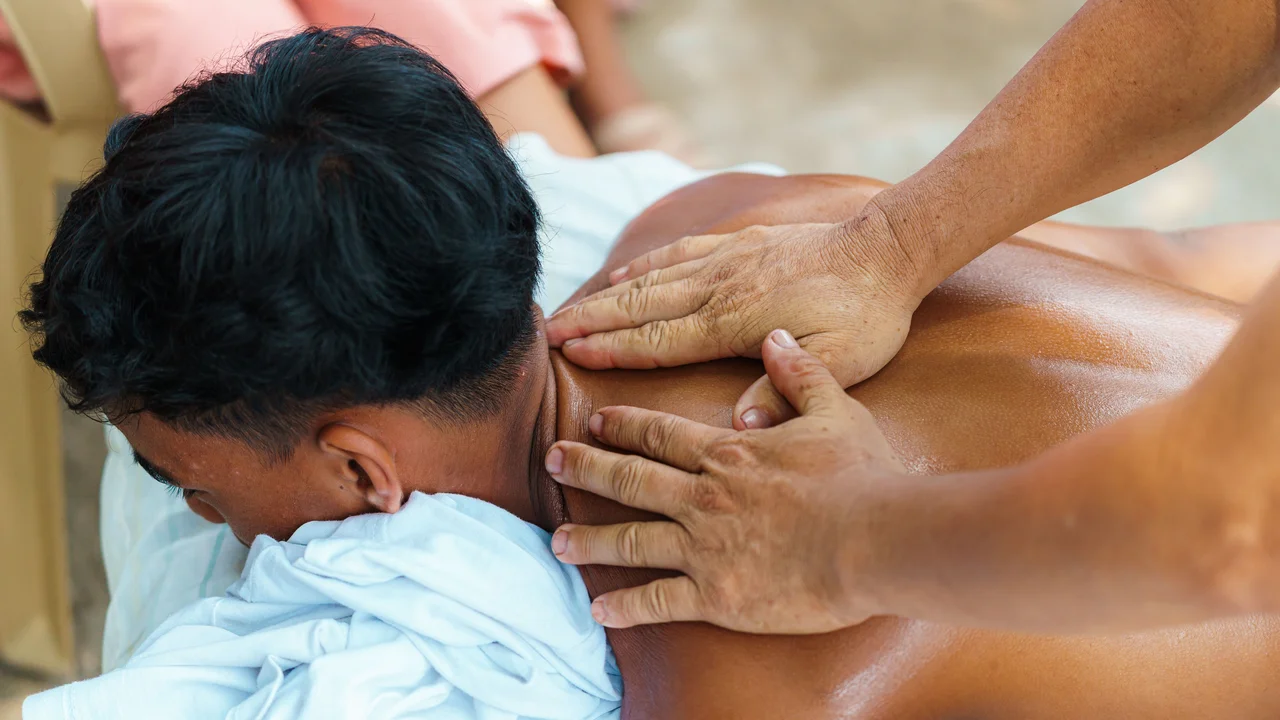
As the name suggests, relaxation massage is intended to promote comfort and stress relief. The pressure is generally adjusted according to the person’s preferences.
Deep Tissue Massage
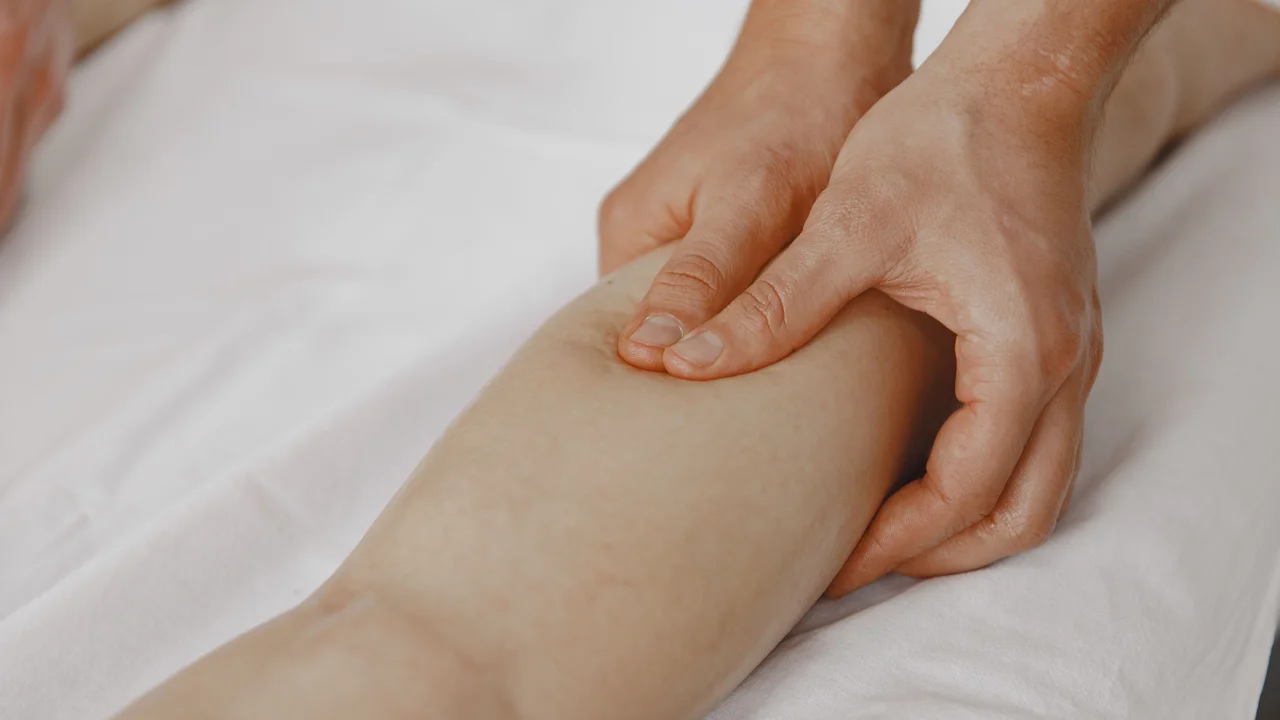
Deep tissue massage uses stronger pressure and is often directed towards deeper muscles or specific areas of muscular tension. It is not necessarily the best choice simply because you want to relax.
Healthdirect distinguishes deep tissue techniques from gentler relaxation approaches and notes that stronger pressure may be used in remedial massage.
What to Expect During a Relaxation Massage
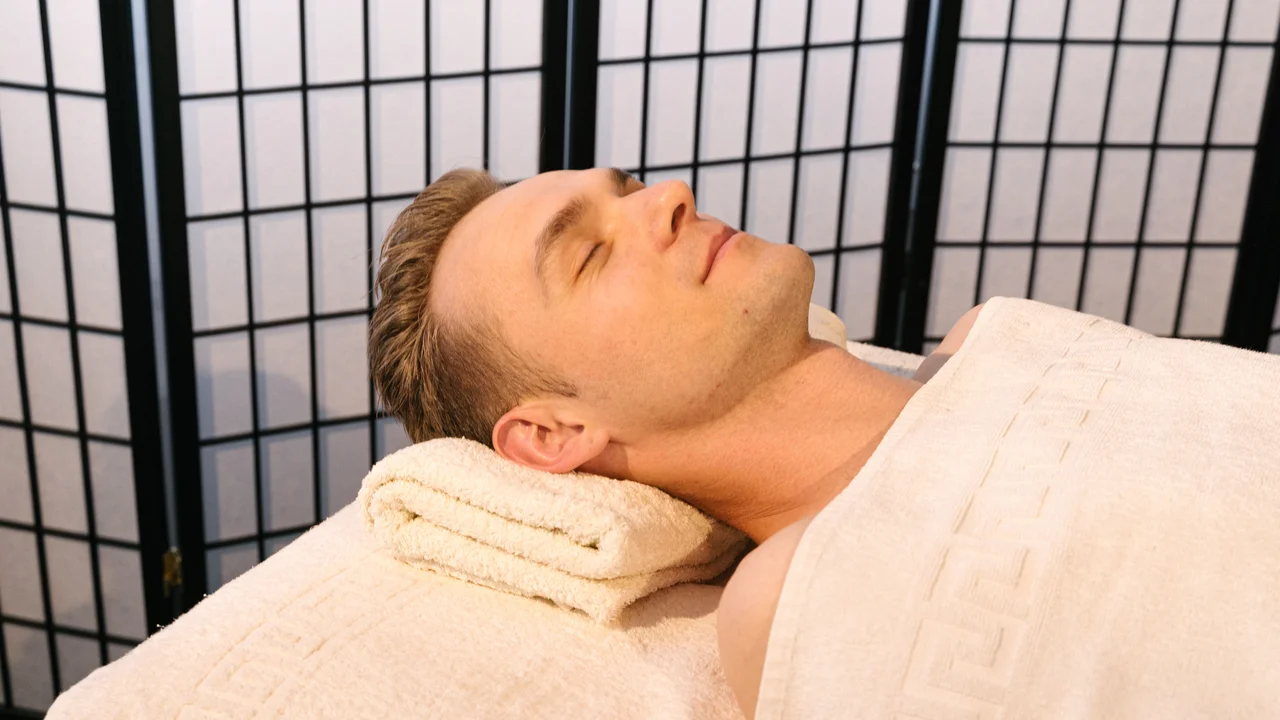
Before the session begins, a qualified therapist should ask about your health, medications, previous injuries and the reason for your visit. You should also be able to discuss how much pressure you prefer and which areas you do or do not want treated.
A typical massage takes place in a private, comfortable environment. You should remain appropriately covered, with only the area being treated exposed. Healthdirect notes that massage sessions commonly last around 30 to 60 minutes, although the duration can vary.
Communication is important throughout the appointment. If the pressure feels uncomfortable, tell the therapist so they can adjust their technique.
Making the Most of Your Massage Session
A few simple habits can help make a relaxation-focused massage more comfortable.
Choose a Qualified Therapist
Look for a properly trained practitioner and check their qualifications where applicable. This is particularly important if you have a health condition or are seeking massage for a specific physical problem.

Explain Your Goal
Tell the therapist whether you want general relaxation, relief from muscular tension or a combination of both. This helps them select suitable techniques.
Do Not Chase Pain
More pressure does not automatically mean a better massage. Excessive pressure can leave you sore afterward.
Healthdirect notes that massage can sometimes cause temporary soreness or discomfort, while more serious complications are uncommon.
Give Yourself Time Afterwards
If possible, avoid immediately rushing into another demanding activity. A few quiet minutes after the session can help you enjoy the transition back into your normal routine.
Massage Safety and Considerations
Massage is generally considered safe for many people, but it is not appropriate in every situation. Healthdirect advises caution or medical consultation for people with conditions such as blood clots, certain heart or kidney problems, osteoporosis, nerve damage, infectious skin conditions, burns or recent surgery.
People receiving cancer treatment, those with bleeding disorders and pregnant individuals should also discuss massage with an appropriate healthcare professional before treatment. If you have an existing medical condition, do not assume that every type of massage is suitable for you.
Final Thoughts
Massage therapy can provide a valuable opportunity to slow down, release physical tension and step away from everyday demands. Relaxation massage and Swedish massage, in particular, are commonly used for comfort and stress relief.
The experience can be especially useful when it is combined with a calm environment, comfortable pressure and good communication with a qualified therapist. However, massage should be viewed as a complementary wellness practice rather than a cure for medical or psychological conditions.
If you have a health condition, are recovering from surgery, are pregnant or take regular medication, speak with an appropriate healthcare professional before booking a massage.
Sources and References
- NCCIH – Massage Therapy for Health: What the Science Says — USA – NCCIH – Massage Therapy for Health
- NCCIH – Anxiety and Complementary Health Approaches — USA – NCCIH – Anxiety and Complementary Health Approaches
- healthdirect Australia – Massage Therapy Guide — Australia – healthdirect Australia – Massage Therapy Guide
- healthdirect Australia – Swedish Massage — Australia – healthdirect Australia – Swedish Massage
- healthdirect Australia – Relaxation Techniques for Stress Relief — Australia – healthdirect Australia – Relaxation Techniques

Thank you for your comment!
Your message has been received and sent to the Dermis 365 clinical team for review. It will be published publicly as soon as it is approved by a clinic administrator.
Leave a Clinical Thought or Question
Your email address will not be published. Required fields are marked *