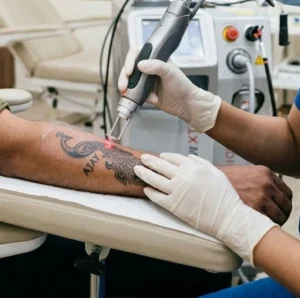
different ink colours and depths
Discuss this during your consultation so the plan addresses the cause, not only the visible sign.
People can experience this concern differently. An examination helps separate similar-looking conditions.
Discuss this during your consultation so the plan addresses the cause, not only the visible sign.
Discuss this during your consultation so the plan addresses the cause, not only the visible sign.
Discuss this during your consultation so the plan addresses the cause, not only the visible sign.
Discuss this during your consultation so the plan addresses the cause, not only the visible sign.
Your clinician reviews when the concern began, how it has changed, symptoms, medicines, health history, routines and previous treatment. Examination is usually the first step; tests, imaging, dermoscopy, biopsy or referral are used only when appropriate.
Do not self-diagnose from photographs. Similar-looking concerns can need very different care.
Everything you need to know about our doctor-supervised treatments, AI skin analysis, and clinic consultations.
Gradual fading of tattoo pigment using suitable laser technology and a staged treatment plan.
Possible factors include ink type and colour, tattoo depth and density, skin tone and immune clearance, and previous treatment and aftercare. A consultation helps identify which are relevant to you.
Often it can be improved or managed, but results depend on the cause and severity. No single treatment suits everyone.
Not always. Tests are recommended only when your history or examination suggests an underlying medical, hormonal, nutritional or inflammatory cause.
Treatment can be planned for different skin tones. Conservative settings, patch testing where appropriate and careful aftercare help reduce pigment-related risks.
This varies by diagnosis, treatment and response. Your clinician will explain a realistic staged plan after examining you.
Some medical symptoms improve within weeks, while structural, pigment, hair or body concerns often need several months. Maintenance may be necessary.
Gentle care may support treatment, but harsh scrubs, acids, bleach or unverified remedies can worsen irritation or pigmentation.
Yes, especially when genetics, hormones, sun exposure, inflammation or ongoing triggers remain. Maintenance reduces recurrence but cannot guarantee prevention.
Seek prompt care for sudden or rapid change, severe pain, bleeding, infection, eye symptoms, systemic illness or any symptom that worries you.
Depending on your assessment, options may include Tattoo and skin assessment, Test spot when appropriate, Q-switched or suitable pigment laser, Staged laser sessions, or aftercare and pigment-risk monitoring.
Bring your medication list, previous reports, treatment history, product list and clear photographs showing how the concern has changed.