“Acne proves my cortisol is high.”
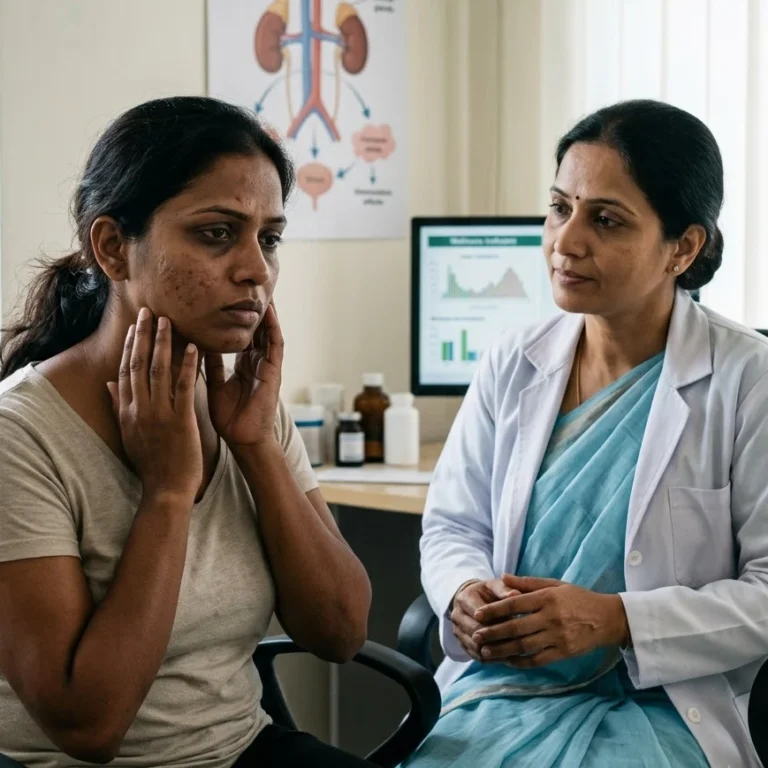
Fact: skin appearance cannot diagnose a cortisol disorder.
Fact: skin appearance cannot diagnose a cortisol disorder.
Fact: skin appearance cannot diagnose a cortisol disorder.
Fact: cortisol is essential for health. Too much or too little due to a medical disorder needs proper care.
Fact: reducing stress may help a trigger, but active skin disease still needs treatment.
Fact: supplements may interact with medicines or delay diagnosis. Seek medical advice first.
Stress does not directly create pigment, but inflammation, picking and slower recovery can leave more visible marks.
Ongoing stress may interfere with normal repair and make irritated skin feel less resilient.
Small, repeatable steps are more useful than an extreme “cortisol detox”.
Everything you need to know about our doctor-supervised treatments, AI skin analysis, and clinic consultations.
Yes. Stress signalling may influence inflammation, oil production, itching, barrier function and skin-related habits. It is usually a contributor rather than the only cause.
Cortisol is an essential hormone involved in stress response, metabolism, blood pressure, inflammation and sleep–wake rhythm. It is not a harmful toxin.
No. Acne, redness, dryness or hair fall cannot diagnose high cortisol. A cortisol disorder requires medical assessment and properly timed tests.
Stress may aggravate acne through inflammation, oil changes, poor sleep or disrupted routines. Acne also involves clogged pores, genetics, hormones, products and medicines.
Stress can be a flare trigger for some people. This does not mean the condition is imaginary or caused only by emotions; active disease still needs treatment.
Stress may worsen hives or itching in some people, but medicines, infections, allergies and other causes should be considered.
Ongoing stress may interfere with barrier recovery and make skin feel dry, sensitive or reactive. Gentle skincare can support recovery while the condition is treated.
Physical or emotional stress may trigger delayed diffuse shedding. Thyroid problems, nutrition, medicines and hereditary hair loss should also be considered.
Inflammation and scratching during a flare may leave darker marks. Sun exposure, hormones and other conditions also influence pigmentation.
No. Stress management may reduce a trigger, but it does not replace treatment for acne, eczema, psoriasis, rosacea, hives or hair loss.
Usually not for breakouts alone. Testing is selected when the complete history and examination suggest a cortisol-related condition.
Keep it simple: gentle cleanser, suitable moisturiser, sunscreen and prescribed treatment. Avoid harsh scrubs and repeatedly adding new active ingredients.
Seek advice when breakouts, rashes, itching, redness, pigmentation or hair fall persist, worsen, disturb sleep or leave scars.
Dermis 365 offers diagnosis-led care for acne, dermatitis, inflammatory flares, pigmentation, hair shedding and selected scar or texture concerns.