
REFER & EARN Refer a friend, you both get ₹1,000 Learn more →
LIMITED OFFER Special Offers: Up to 50% Off Packages Learn more →
The sleep–skin connection

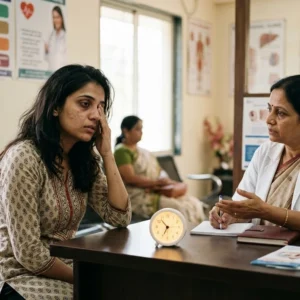
Poor Sleep & Skin When your nights are restless, your skin may feel it too.

Sleep gives the body time to regulate inflammation and support normal repair. Poor sleep does not cause every skin problem, but it may worsen dryness, sensitivity, itching, breakouts and tired-looking skin in some people.

Doctor-led skin, hair, aesthetic and wellness care · Kanakapura Road, Bangalore 560109
Poor Sleep & Skin Clinical Assessment & Treatment - Dermis 365 Bengaluru
100% Doctor Supervised
AI Skin & Hair Analysis
3 Laser Platforms
1:1 Customised Care Plans
More than “beauty sleep”

How sleep and skin influence each other

Your skin follows a daily rhythm. During the night, skin temperature, oil production, blood flow and water loss change. Sleep also interacts with stress hormones and inflammatory signals.

  1. 1
    Short or broken sleep The body has less opportunity for normal overnight recovery.
  2. 2
    Barrier & stress changes Skin may lose moisture more easily or feel less resilient.
  3. 3
    Visible or felt effects Dryness, sensitivity, puffiness, itching or flares may feel more noticeable.

Clinical Overview & Triggers

  • Important this is an association, not a diagnosis. A skin condition should not be blamed entirely on sleep without proper assessment.
Important: this is an association, not a diagnosis. A skin condition should not be blamed entirely on sleep without proper assessment.
Fact check

Common sleep-and-skin myths

Fact: a bad night may temporarily affect appearance. Long-term skin ageing involves many factors, especially sun exposure and smoking.

“One late night permanently ages the skin.”

Fact: a bad night may temporarily affect appearance. Long-term skin ageing involves many factors, especially sun exposure and smoking.

“Sleeping eight hours will cure acne.”

Fact: good sleep supports health but cannot unclog pores or replace appropriate acne treatment.

“Expensive night cream replaces sleep.”

Fact: skincare can support the barrier, but no product replaces sleep or treats a sleep disorder.

“Every dark circle is caused by tiredness.”

Fact: pigmentation, allergies, genetics, facial structure and ageing can also create under-eye darkness.

Itching & sensitivity

Itch may feel stronger at night, leading to scratching, broken sleep and further skin-barrier damage.

Slower-looking recovery

Ongoing poor sleep may make irritated skin feel less resilient, especially when another skin condition is active.

Keep evenings gentle

A skin-friendly night routine

A short routine is easier to follow when you are tired. Choose products according to your skin type and prescribed treatment.

Things to Avoid

  • Avoid sleeping in makeup
  • Avoid harsh scrubs at night
  • Avoid changing products daily
  • Avoid self-medicating persistent itch
PM

Night Routine Steps

  1. Cleanse gentlyRemove sunscreen, makeup, sweat and pollution without scrubbing.
  2. Use prescribed treatmentApply it exactly as advised rather than adding several new active ingredients.
  3. MoisturiseSupport the skin barrier with a suitable, fragrance-free option if your skin is sensitive.
  4. Reduce scratching triggersKeep nails short and the room comfortably cool if itching is a problem.
  5. Build a wind-down routineKeep a regular sleep time and reduce late caffeine and bright-screen stimulation.
Available at our clinic

Dermis 365 treatments for affected skin

Dermis 365 treats the diagnosed skin concern—not “poor sleep” itself. Your dermatologist may recommend one or more options after assessing your skin.

Dermatologist consultation

Review of your skin symptoms, sleep disruption, routine, products, medicines and possible triggers.

Skin-barrier repair plan

A simplified routine with suitable cleansers, moisturisers and prescribed treatment when inflammation is present.

Eczema and dermatitis care

Cause-focused treatment to reduce inflammation, dryness and night-time itching in suitable patients.

Acne treatment

Personalised medical treatment for clogged pores, inflamed pimples, marks and recurring acne.

Chemical peels

Doctor-supervised peels may help selected patients with uneven tone, superficial pigmentation, oiliness or texture.

Medical skincare & laser options

Depending on the cause and skin tone, medical skincare or selected device-based treatments may be considered.

Dark-circle assessment

Evaluation of pigmentation, hollowness, puffiness, allergies and skin quality before discussing suitable options.

Microneedling / MNRF

Selected patients may be advised microneedling or radiofrequency microneedling for texture, scars or signs of ageing.

Referral for persistent sleep problems

Dermatology care cannot diagnose or treat every sleep disorder. Broader evaluation may be advised when symptoms suggest insomnia, sleep apnoea or another medical concern.

Supplements and procedures should have a clear goal, expected benefit and safety review. Results vary.
Do not lose sleep over your skin

When should you seek help?

  • Itch repeatedly wakes you
  • A rash is spreading
  • Acne is painful or scarring
  • Skin is cracked or infected
  • Symptoms persist despite skincare
  • Sleep problems continue for weeks
  • You snore or stop breathing
  • Daytime function is affected
Helpful answers

Frequently asked questions Answered Clear & Clear.

Everything you need to know about our doctor-supervised treatments, AI skin analysis, and clinic consultations.

01 Can poor sleep affect my skin?

Poor or insufficient sleep may affect skin hydration, barrier recovery, inflammation and appearance. It is usually one contributing factor rather than the only cause.

02 Can lack of sleep cause acne?

Poor sleep does not directly explain every breakout. Stress and inflammatory changes associated with sleep disruption may aggravate acne in some people, but acne has several causes.

03 Why does my skin look dull after a bad night?

Temporary dehydration, altered circulation, puffiness and fatigue can make skin look less fresh. The appearance often improves after rest, hydration and routine care.

04 Does sleep loss damage the skin barrier?

Sleep and circadian rhythms are involved in skin-barrier function. Ongoing sleep restriction may reduce hydration and interfere with normal recovery, especially when the barrier is already weak.

05 Can poor sleep worsen eczema or itching?

Yes, the relationship can work both ways. Itch disturbs sleep, and sleep loss may make inflammation or discomfort harder to tolerate. Treating the eczema remains essential.

06 Can poor sleep cause dark circles?

It can make existing shadows, puffiness or visible vessels more noticeable. Genetics, allergies, pigmentation, facial structure and ageing are also common contributors.

07 Does sleeping late cause premature ageing?

Repeated poor-quality or short sleep may affect recovery and visible skin quality. Ageing is also strongly influenced by sun exposure, genetics, smoking, pollution and skincare.

08 How many hours should I sleep for healthy skin?

Most adults generally need seven or more hours, but individual needs vary. Sleep quality, regular timing and untreated sleep disorders also matter.

09 Will sleeping more cure my skin condition?

No. Better sleep supports overall health, but it does not replace medical treatment for acne, eczema, psoriasis, rosacea or another diagnosed condition.

10 Can skincare compensate for poor sleep?

A gentle routine can support the skin barrier and appearance, but skincare cannot fully replace adequate sleep or treat an underlying sleep problem.

11 Why does itching feel worse at night?

Night-time changes in temperature, water loss and inflammatory signalling, together with fewer distractions, can make itch feel more noticeable.

12 When should I see a dermatologist?

Seek advice if itching, acne, redness, rashes or dryness persist, worsen, repeatedly disturb sleep or begin leaving marks and scars.

13 When should I see a sleep specialist?

Seek broader medical advice for persistent insomnia, loud snoring, pauses in breathing, morning headaches, severe daytime sleepiness or sleep problems affecting daily function.

14 What treatments does Dermis 365 offer?

Dermis 365 can assess and treat suitable skin concerns including acne, dryness, eczema, pigmentation, dark circles, dullness and selected signs of ageing. The right option depends on diagnosis and skin type.
5.0 ★★★★★
Google Reviews