“Dark underarms mean poor hygiene.”
Fact: pigment is not dirt. Washing harder can cause more inflammation.
Fact: pigment is not dirt. Washing harder can cause more inflammation.
Fact: pigment is not dirt. Washing harder can cause more inflammation.
Fact: both can irritate skin and worsen post-inflammatory pigmentation.
Fact: diabetes is one possibility, not the only diagnosis. Testing depends on the pattern and history.
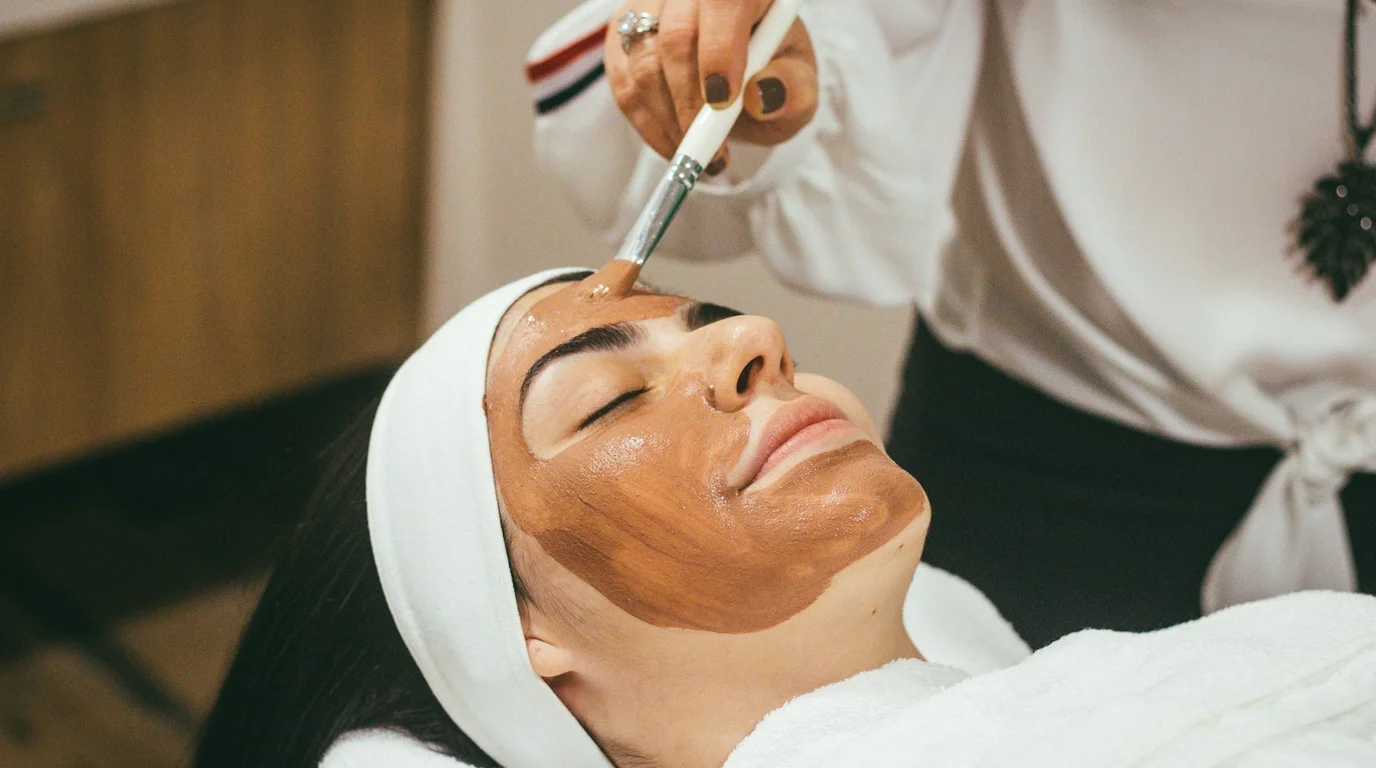
Fact: peels affect the skin surface; they do not treat insulin resistance or hormonal disease.
Most cases can be assessed through history and examination. Blood tests, allergy testing, fungal testing or biopsy are reserved for selected situations.
Everything you need to know about our doctor-supervised treatments, AI skin analysis, and clinic consultations.
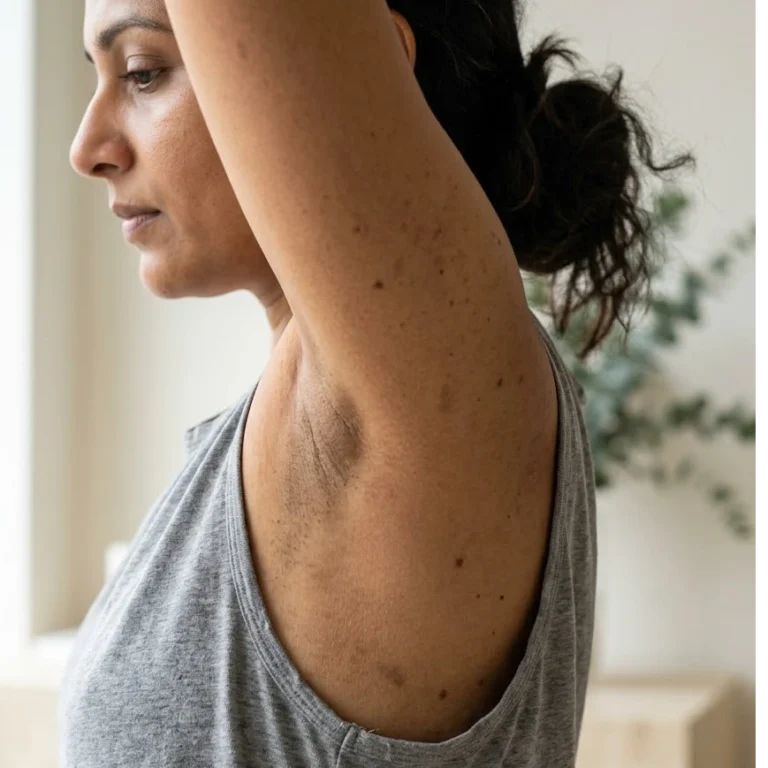
Possible causes include natural variation, friction, shaving, deodorant irritation, dermatitis, folliculitis, post-inflammatory pigment and acanthosis nigricans.
It causes dark, thickened, velvety skin, usually on the neck, underarms, groin or other folds.
Not always. Velvety thickening can be associated with insulin resistance, prediabetes or diabetes and may need testing.
PCOS can be associated with insulin resistance and acanthosis, but dark underarms alone cannot diagnose PCOS.
Repeated shaving may cause irritation, ingrown hairs or visible hair shadow, making the area look darker.
Fragrance, alcohol or another ingredient can cause dermatitis in some people, leaving pigment after inflammation.
No. Pigment and acanthosis cannot be scrubbed off. Aggressive rubbing may make them worse.
No. Lemon can irritate or burn skin and may lead to further pigmentation.
Superficial doctor-supervised peels may help selected frictional or post-inflammatory pigmentation after irritation is controlled.
It may reduce shaving irritation and hair shadow, but it does not treat insulin resistance or every cause of pigmentation.
Improvement often takes several months and depends on cause, skin thickness, friction and management of underlying conditions.
Yes. Pigment can return when friction, irritation, hair-removal injury or metabolic and hormonal contributors continue.
Seek prompt assessment if thickening appears suddenly, spreads rapidly, affects the mouth or occurs with unexplained weight loss or illness.
Options may include medical assessment, skincare, rash or folliculitis treatment, chemical peels, selected laser treatment and laser hair reduction.