
REFER & EARN Refer a friend, you both get ₹1,000 Learn more →
LIMITED OFFER Special Offers: Up to 50% Off Packages Learn more →
Acne care at Dermis 365

Acne & Pimples Understand your acne. Treat the cause. Protect your skin.

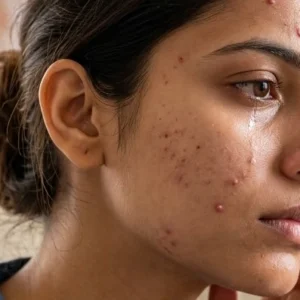
Acne may mean a few occasional pimples or repeated, painful breakouts that leave dark marks and scars. It can affect teenagers and adults—and it is not simply a sign of “dirty skin”.

Doctor-led skin, hair, aesthetic and wellness care · Kanakapura Road, Bangalore 560109
Acne & Pimples Clinical Assessment & Treatment - Dermis 365 Bengaluru
100% Doctor Supervised
AI Skin & Hair Analysis
3 Laser Platforms
1:1 Customised Care Plans
Know what you see

Types of acne

Not every bump needs the same treatment. One person can have several types at the same time.

Whiteheads

Small closed bumps caused by a blocked pore. They may look white or skin-coloured.

Blackheads

Open clogged pores. The dark colour comes from exposure to air—not trapped dirt.

Papules

Small red or pink raised bumps that may feel tender. They do not contain visible pus.

Pustules

Inflamed bumps with a white or yellow centre—what many people call pimples.

Nodules

Large, firm and painful lumps deep below the skin. They are more likely to scar.

Cysts

Deep, painful, pus-filled lumps. Early medical care may help limit scarring.

Why it happens

Four processes behind acne

  1. 1
    Extra oil Oil glands may produce more sebum, making blockage easier.
  2. 2
    Dead skin cells They can mix with oil and collect inside a follicle.
  3. 3
    Bacteria Skin bacteria can contribute to inflammation inside a blocked follicle.
  4. 4
    Inflammation The body’s response may cause redness, swelling, pain and pus.

What may trigger or worsen it?

  • Hormonal changes Puberty, menstrual cycles, pregnancy or adulthood shifts.
  • Family tendency Genetics influence acne-prone skin behaviour.
  • Stress & poor sleep May worsen existing inflammation and recovery.
  • Products & friction Heavy pore-clogging products or friction from masks and helmets.
Clinical assessment

How acne is diagnosed

A doctor can usually identify acne by examining the skin. Tests are not needed for everyone.

Where relevant, women with persistent acne may also be asked about menstrual or hormonal symptoms.

Acne type Severity Areas affected Inflammation Marks & scars Skin routine Past treatment Medicines Breakout pattern
Keep it simple

An acne-friendly routine

You usually do not need ten products. Consistency and skin-barrier care matter more than constantly changing products.

Things to Avoid

  • Avoid picking and squeezing
  • Avoid harsh scrubs and over-washing
  • Avoid layering several strong actives
  • Avoid sleeping in makeup
  • Avoid stopping treatment as soon as you improve
AM

Morning

  1. Gentle cleanser
  2. Prescribed treatment, if advised
  3. Non-comedogenic moisturiser
  4. Broad-spectrum sunscreen
PM

Night

  1. Gently remove sunscreen and makeup
  2. Cleanse thoroughly
  3. Use acne treatment as directed
  4. Moisturise to support barrier
Available at our clinic

Acne & pimple treatments at Dermis 365

Your dermatologist may recommend one treatment or a combination after examining your acne, skin type, marks and scars. Not every option is suitable for every person.

Dermatologist consultation & medical treatment

A detailed skin assessment followed by a personalised plan. It may include doctor-selected creams, gels, cleansers or oral medicines when clinically appropriate.

Medical chemical peels

Doctor-supervised peels may help selected patients with clogged pores, excess oil, superficial acne and post-acne pigmentation.

Pigmentation-focused treatment

Medical skincare, suitable peels and selected laser-based procedures may be considered for brown or dark marks once active breakouts are being controlled.

Microneedling

Controlled micro-injuries encourage the skin’s natural repair response. It may be advised for selected mild-to-moderate depressed acne scars.

RF microneedling / MNRF

Microneedles deliver radiofrequency energy beneath the skin. It may help improve selected depressed scars and uneven texture.

Fractional laser treatment

Fractional laser creates controlled treatment zones to support skin remodelling. The laser type and settings depend on your scars and skin tone.

TCA CROSS

A focused chemical reconstruction technique that may be used for selected narrow, deep scars such as ice-pick scars.

Subcision

A procedure that releases fibrous bands pulling certain depressed scars downward. It is mainly considered for suitable rolling or tethered scars.

Combination acne-scar treatment

Many people have more than one scar type. Dermis 365 may combine procedures in stages rather than relying on one treatment for every scar.

Prescription medicines and procedures need individual medical assessment. Results and timelines vary. Some acne treatments are unsuitable during pregnancy or breastfeeding, so always tell your doctor.
Do not wait for scars

When should I see a doctor?

  • Acne keeps returning
  • Products have not helped
  • Pimples are painful or deep
  • You have nodules or cysts
  • Marks or scars are developing
  • Acne suddenly becomes severe
  • Chest or back is affected
  • It is affecting your confidence
Helpful answers

Frequently asked questions Answered Clear & Clear.

Everything you need to know about our doctor-supervised treatments, AI skin analysis, and clinic consultations.

01 Is acne the same as pimples?

Pimples are one way acne appears. Acne can also include blackheads, whiteheads, papules, pustules, nodules and cysts.

02 Is acne caused by dirty skin?

No. Acne is linked to clogged follicles, oil, inflammation and other factors. Harsh or frequent scrubbing may irritate acne-prone skin.

03 Can acne be cured permanently?

Acne can often be controlled well, but no treatment can promise that you will never get another pimple. Hormones, genetics and other factors may influence future breakouts.

04 Can adults get acne?

Yes. Acne may continue from the teenage years or begin later in adulthood. A new or sudden pattern should be properly assessed.

05 How long does acne treatment take?

Visible improvement often takes several weeks. Timing varies with acne type, severity, treatment and consistency. Your doctor can set realistic review points.

06 Should I squeeze pimples?

It is best not to. Picking or squeezing may worsen inflammation, delay healing and increase the chance of dark marks and scars.

07 Can teenagers receive acne treatment?

Yes. Acne treatment can be planned for teenagers according to their age, acne type, severity and medical history. Persistent inflammatory acne should not simply be dismissed as something they must “grow out of”.

08 Does diet cause acne?

Diet may influence acne in some people, but acne is rarely caused by one food alone. Keep track of patterns you repeatedly notice and avoid restrictive diets without professional advice.

09 Can home remedies cure pimples?

Home remedies are not a reliable treatment for persistent, painful or scarring acne. Lemon, toothpaste, harsh scrubs and other DIY ingredients may irritate or burn the skin.

10 Why does acne leave dark marks?

Inflammation can cause the skin to produce extra pigment after a pimple heals. These marks are flat and different from textural scars. Picking and sun exposure may make them more noticeable.

11 Can acne scars be completely removed?

Scar treatments aim to improve texture and make scars less visible, but complete removal cannot be guaranteed. Improvement depends on scar type, depth, skin response and the treatment plan.

12 Do chemical peels help acne?

Doctor-supervised chemical peels may help selected patients with clogged pores, oiliness, superficial acne or post-acne marks. The peel and its strength must suit your skin.

13 Is laser treatment used for active acne or acne scars?

Laser-based procedures are usually selected for particular marks or scars rather than every active pimple. Suitability depends on your skin tone, acne activity, scar type and medical assessment.

14 Can I use acne treatment during pregnancy?

Some acne medicines and procedures are unsuitable during pregnancy or breastfeeding. Always tell your dermatologist if you are pregnant, breastfeeding or planning pregnancy so an appropriate plan can be chosen.

15 Why did my skin become dry after starting treatment?

Some acne treatments can cause dryness, peeling or mild irritation, especially at the beginning. Do not add more strong products yourself. Contact your doctor if irritation is severe, painful or persistent.

16 Do I need sunscreen if I have acne?

Yes. A suitable non-comedogenic broad-spectrum sunscreen helps protect acne-prone skin and may prevent post-acne marks from becoming darker. Your dermatologist can suggest a texture suited to your skin.

17 Which acne-scar treatment is best?

There is no single best procedure for every scar. Depending on the scar pattern, Dermis 365 may consider microneedling, MNRF, fractional laser, TCA CROSS, subcision or a staged combination.

18 Can acne return after treatment?

Yes. Acne can return because hormones, genetics, products and other factors continue to change. Following a maintenance routine and attending reviews may help reduce recurring breakouts.
5.0 ★★★★★
Google Reviews