
Vitamin E for Hair: Benefits, Uses, Food Sources and Safety
Vitamin E is often discussed as a nutrient that may support healthier hair. It is an antioxidant that helps protect cells from oxidative damage and plays several important roles in normal body function. Because healthy hair growth depends on overall nutrition and scalp health, vitamin E has attracted attention in hair-care routines and supplements.
However, it is important to separate the role of vitamin E in overall health from claims that vitamin E supplements can automatically make hair grow faster or stop hair loss. Current evidence does not establish vitamin E supplementation as a universal hair-growth treatment.
Vitamin E: An Overview
Vitamin E is a class of fat-soluble molecules that have antioxidant effects. The form of vitamin E that satisfies the body’s nutritional needs is alpha-tocopherol.
The use of vitamin E by the body includes protection of the cells from damage by free radicals. Vitamin E also helps in proper immune response among other cellular functions. Sources of vitamin E include natural foods such as nuts, seeds, vegetable oils and leafy green vegetables.
Vitamin E for Hair: Potential Benefits
Provides Antioxidant Support
One of the main reasons vitamin E is associated with hair health is its antioxidant activity. Free radicals can contribute to oxidative stress, which can affect cells and tissues. Vitamin E helps protect cells from oxidative damage as part of the body’s natural antioxidant system.
Supports Overall Scalp and Skin Health
The scalp is skin, and maintaining healthy skin requires adequate nutrition and an appropriate hair-care routine.
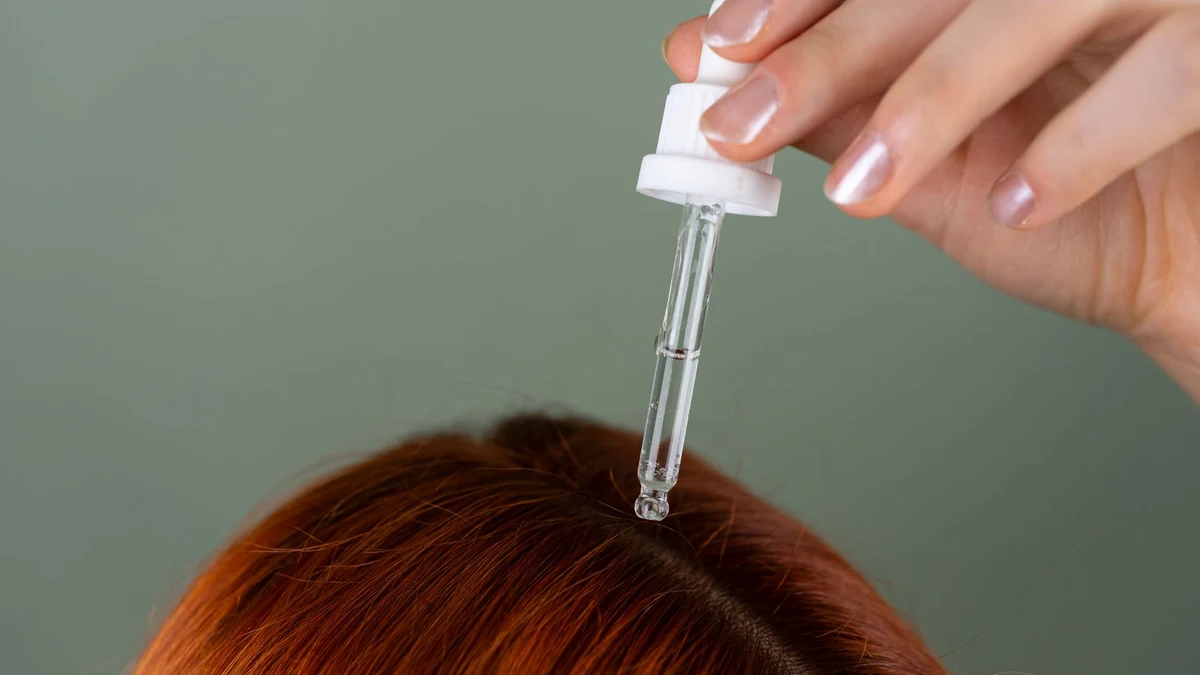
Vitamin E contributes to normal cellular function and antioxidant protection. Having adequate levels is therefore important for general health, although there is limited evidence that taking extra vitamin E specifically improves scalp health in people who already have sufficient amounts.
May Help Maintain Healthy-Looking Hair
Adequate nutrition is important for maintaining normal hair structure and growth. Vitamin deficiencies can sometimes contribute to hair problems, although vitamin E deficiency itself is rare in healthy individuals.
If a person has an actual vitamin E deficiency, correcting that deficiency is important for overall health. However, taking additional vitamin E when deficiency is not present has not been established as a reliable way to increase hair growth.
Vitamin E Can Be Part of a Balanced Hair-Nutrition Plan
Hair follicles require a steady supply of nutrients to function normally. A balanced diet containing adequate protein, vitamins and minerals is therefore more important than relying on one particular supplement.
The AAD recommends identifying nutritional deficiencies before taking supplements for hair loss. If testing shows that a person is deficient in a particular nutrient, a dermatologist may recommend supplementation.
Vitamin E and Hair Growth
This is among the most common queries on the topic of vitamin E and hair growth. Currently, there is not much evidence on whether vitamin E supplementations can help promote hair growth in healthy individuals.
According to a review on dietary treatment of alopecia, there is only limited literature on vitamin E supplementations in connection with hair loss. There was one study that examined tocotrienols, which are a type of compounds similar to vitamin E, but that is not sufficient to recommend vitamin E supplements for hair growth purposes.
Vitamin E for Hair Loss
Hair loss can have many different causes. Genetics, hormonal changes, nutritional deficiencies, stress, illness, medications and scalp disorders can all contribute to shedding or thinning.
The AAD recommends seeing a dermatologist when you are experiencing hair loss because identifying the underlying cause is an important part of choosing the right treatment.
Vitamin E for Dry and Damaged Hair
Sometimes vitamin E is sold as a remedy to deal with damaged hair. However, there are certain types of damage to which vitamin E oil or even capsules will not help. Damage to hair may occur due to too frequent styling with the use of heat, dyeing and other chemical treatments, braiding hair, etc. It might be better to use a mild hair care system to prevent further damage.
Vitamin E Food Sources for Hair Health
Getting nutrients through food is generally preferable when possible.

Good dietary sources of vitamin E include:
Almonds and other nuts
Sunflower seeds
Peanuts
Sunflower and other vegetable oils
Spinach
Broccoli
Fortified cereals and other fortified foods
The NIH identifies nuts, seeds, vegetable oils and green leafy vegetables among the foods that provide vitamin E.
Including these foods as part of a varied diet can help provide vitamin E along with other nutrients needed for overall health.
Vitamin E Capsules for Hair Health
Not everyone needs a vitamin E supplement. Healthy people rarely develop vitamin E deficiency, and taking a supplement simply because it is marketed for hair growth may not provide the expected results.

The AAD specifically cautions that supplements marketed for hair growth are not always effective and that excessive amounts of certain nutrients can sometimes worsen hair loss. Vitamin E is among the nutrients mentioned in this warning.
Daily Vitamin E Requirements
The recommended dietary allowance for vitamin E for adults is 15 mg per day. This refers to the amount needed from the overall diet and should not be interpreted as a recommendation to take a 15 mg vitamin E capsule every day. Some supplements contain substantially higher amounts than the daily requirement.
Excess Vitamin E and Hair Loss
More vitamin E does not necessarily mean healthier hair. The AAD specifically notes that getting too much of certain nutrients, including vitamin E, has been linked to hair loss. This is an important reason not to take high-dose hair supplements without a clear need.
Frequently Asked Questions
Is vitamin E good for hair?
Vitamin E is an essential nutrient with antioxidant functions, and adequate nutrition is important for overall health. However, there is limited evidence that extra vitamin E supplementation directly improves hair growth in people who are not deficient.
Does vitamin E help hair growth?
There is not enough evidence to recommend vitamin E supplements as a general hair-growth treatment. Hair loss should first be evaluated for its underlying cause.
Can vitamin E stop hair fall?
Vitamin E should not be considered a guaranteed treatment for hair fall. If a person has a nutritional deficiency, correcting it may be important, but hair loss can have many other causes.
Can I apply vitamin E oil directly to my scalp?
Some people use vitamin E-containing products on the scalp, but there is limited evidence that topical vitamin E directly stimulates hair growth. It may also cause irritation in some individuals.
Is vitamin E safe for hair?
Getting adequate vitamin E through food is generally safe. High-dose supplements can have risks, including increased bleeding, and excessive intake of certain nutrients may even be associated with hair loss.
How much vitamin E should I take for hair growth?
There is no established vitamin E dose specifically recommended for hair growth. Adults generally need 15 mg of vitamin E per day from their overall diet, but supplementation should be based on individual nutritional needs rather than hair-growth claims.
Final Thoughts
The potential role of vitamin E for hair is mainly connected to its importance as an essential antioxidant nutrient rather than its ability to act as a direct hair-growth treatment.
Maintaining adequate vitamin E intake through a balanced diet supports overall health, but taking extra vitamin E does not guarantee faster growth, thicker hair or an end to hair loss. Research on vitamin E supplementation specifically for hair remains limited.
If you are experiencing hair thinning or excessive shedding, finding the underlying cause should be the priority. A dermatologist can assess your hair and scalp and determine whether nutritional testing, lifestyle changes or medical treatment may be appropriate.
Sources and References
- NIH Office of Dietary Supplements – Vitamin E Fact Sheet for Consumers
- NIH Office of Dietary Supplements – Vitamin E Health Professional Fact Sheet
- American Academy of Dermatology – Hair Loss: Tips for Managing
- American Academy of Dermatology – Hair Loss: Diagnosis and Treatment
- JAMA Dermatology – Evaluation of the Safety and Effectiveness of Nutritional Supplements for Treating Hair Loss
- American Academy of Dermatology – Supplement Secrets and Beauty Boosters



Thank you for your comment!
Your message has been received and sent to the Dermis 365 clinical team for review. It will be published publicly as soon as it is approved by a clinic administrator.
Leave a Clinical Thought or Question
Your email address will not be published. Required fields are marked *