
Low Calorie Foods for Weight Loss: Healthy Options That Keep You Full

Losing weight does not necessarily mean eating tiny portions or avoiding food you enjoy. A more practical approach is to choose foods that provide useful nutrients and help you feel satisfied while keeping your overall calorie intake under control.
Low-calorie foods can be particularly helpful because many of them contain plenty of water, fibre or protein. These qualities can add volume to meals and help you feel fuller without adding a large number of calories. The CDC recommends including a variety of nutrient-dense foods, including vegetables, fruits, whole grains and healthy protein sources, as part of a healthy eating pattern.
Understanding Low-Calorie Foods
The foods with low-calorie content can be described as foods with low caloric content in terms of portion. Such foods include most types of fruits and vegetables since they have high water content and fibre content.
However, a low-calorie content does not necessarily imply a healthy content. Such food will not necessarily contain enough nutritional elements, thus, making it less desirable in terms of weight management.
Leafy Green Vegetables
Spinach, lettuce, kale, arugula and other leafy greens will take up a lot of room on your plate but provide little caloric value. These foods are also packed with vitamins like folate and vitamin K along with other phytonutrients.
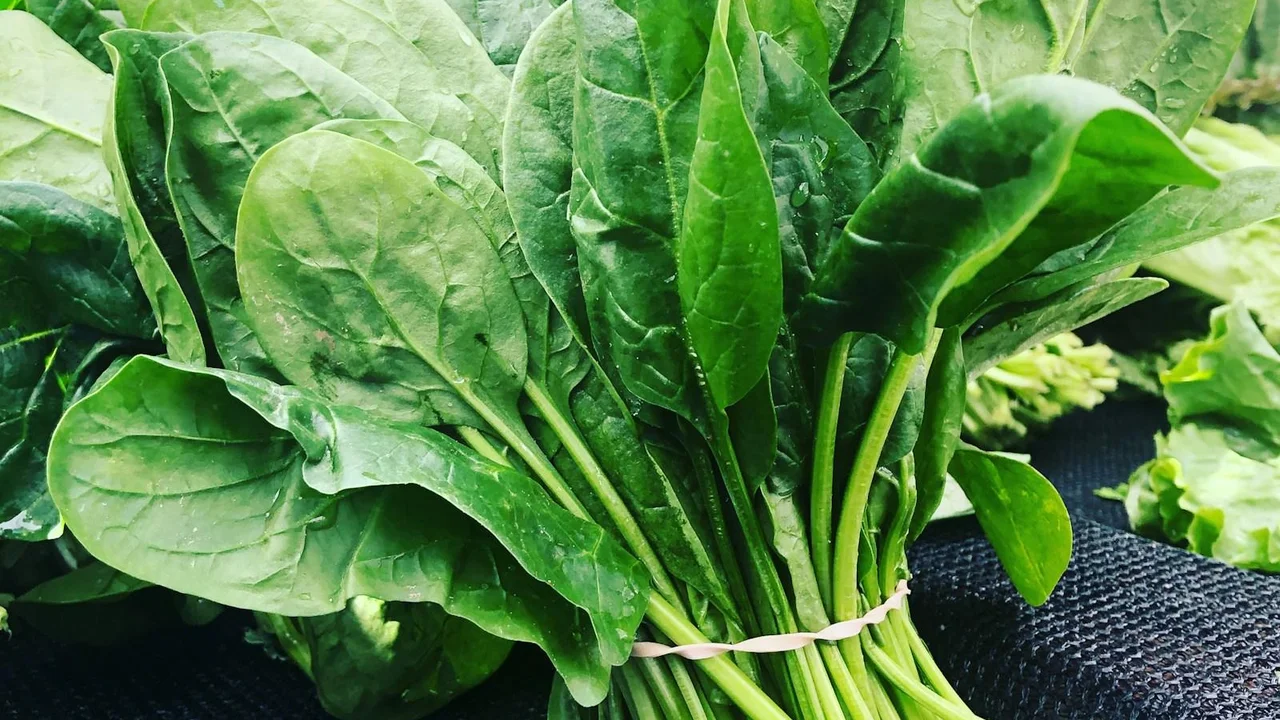
It is recommended to make vegetables a big component of your lunch or dinner, not just a side dish. Eating a large salad consisting of leafy greens, cucumbers, tomatoes and a protein source will keep you satiated for a long time.
Cucumber
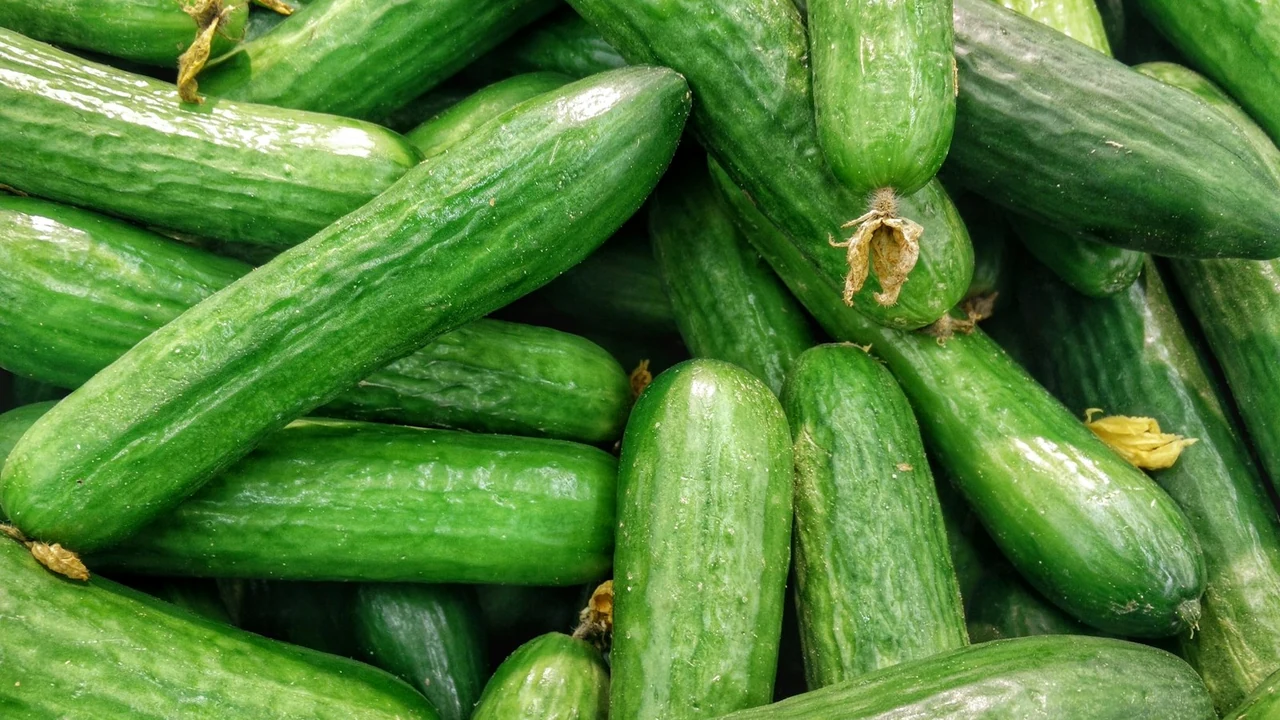
As a vegetable that is highly watered, cucumber is easily included in low-calorie diets. Cucumber can serve as either a snack, an ingredient for a salad or as a side dish. Instead of calorie-rich dressings, cucumbers should be accompanied by plain yoghurt or some herbs.
Tomatoes
Eating tomatoes is also a simple way of adding substance to your food. They can be eaten fresh, used in salad preparations or as an ingredient in homemade sauce preparations.
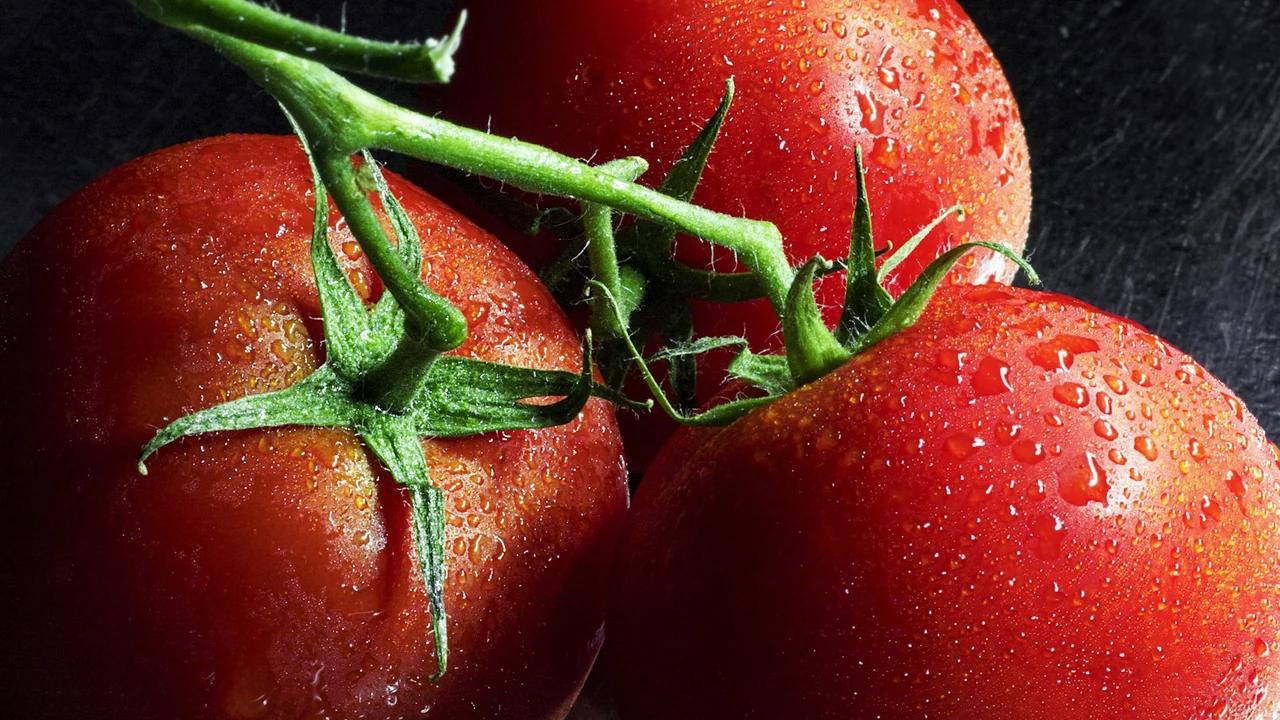
Using unprocessed vegetables in place of processed and fried options may make it simpler to cut down on calories without reducing the portion size of the meal. This is a specific recommendation from the CDC.
Berries
Strawberries, raspberries and other berries can be useful when you want something naturally sweet. They provide fibre and other nutrients while generally being less calorie-dense than many desserts.
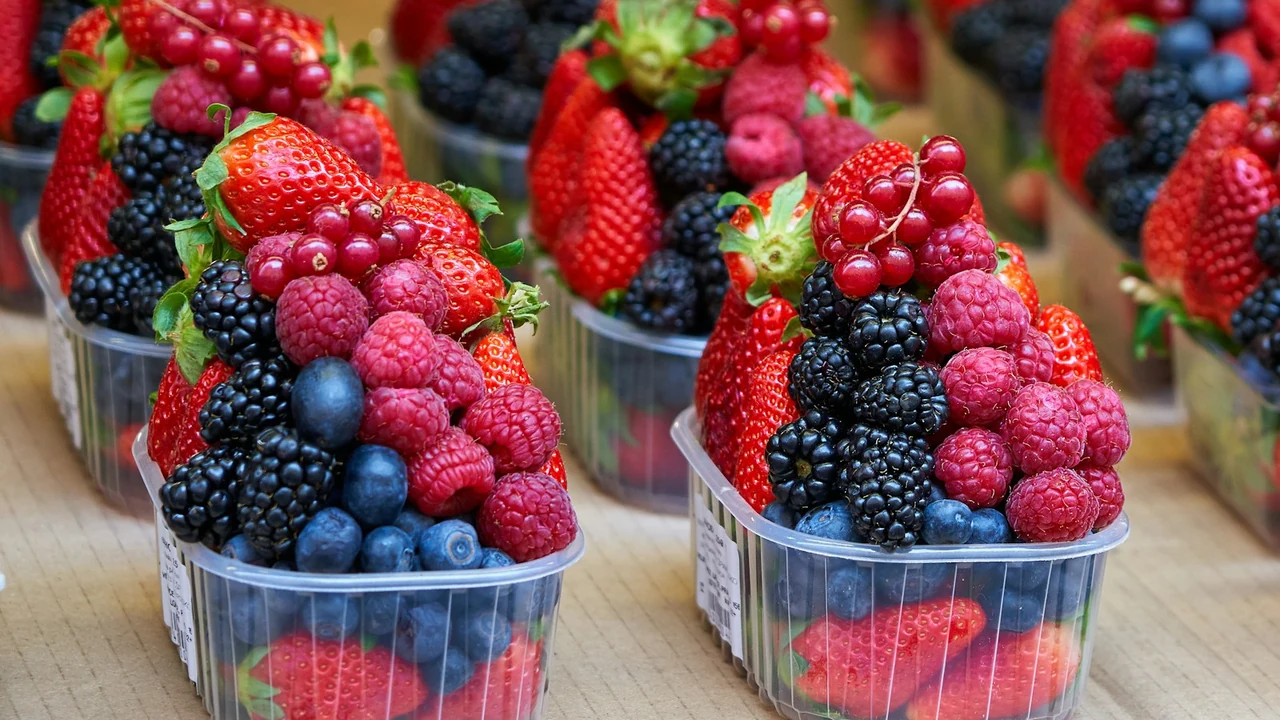
Try adding fresh berries to plain yoghurt or porridge instead of relying on sweetened toppings. Whole fruit is also preferable to fruit juice when fullness is a priority because whole fruit retains its fibre.
Apples
An apple is an easy snack that provides fibre and naturally occurring carbohydrates. Its portability also makes it convenient for work, travel or between-meal hunger.
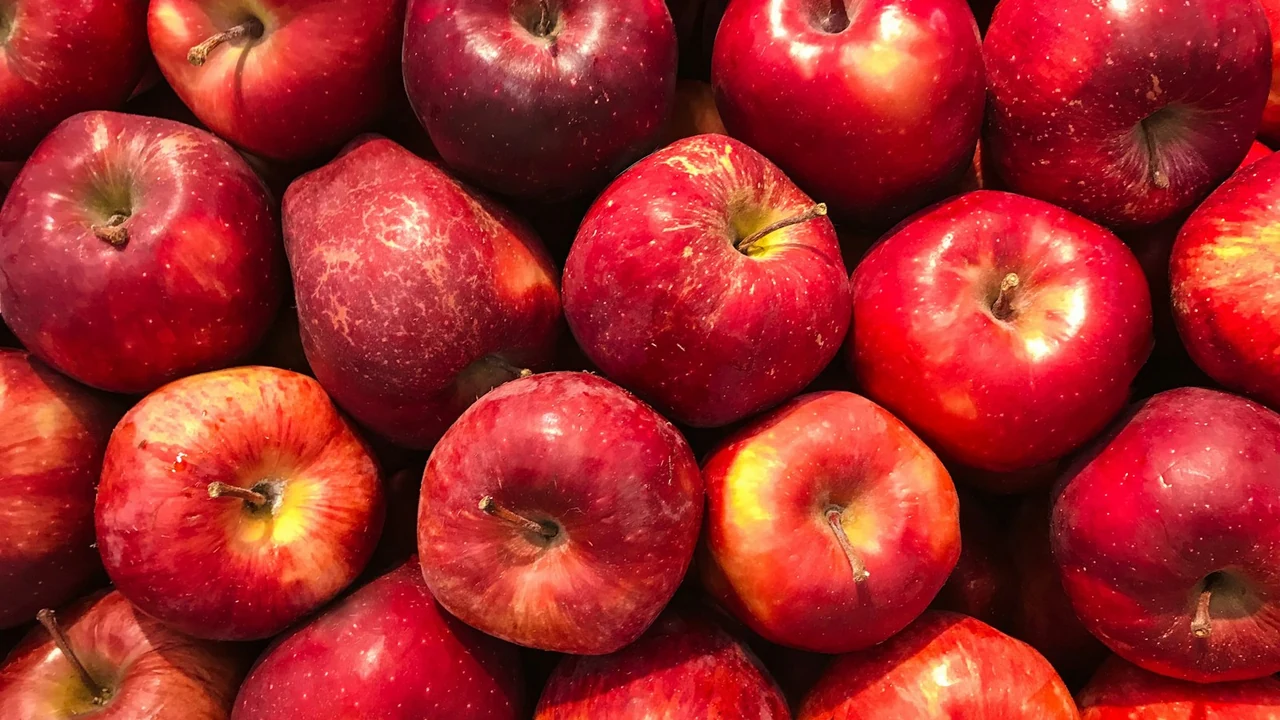
Instead of drinking apple juice, eating the whole fruit gives you the fibre that is largely lost during juicing. This can make whole fruit a more filling option.
Watermelon
Watermelon contains a large amount of water, making it a refreshing choice when you want a fruit with relatively low energy density.
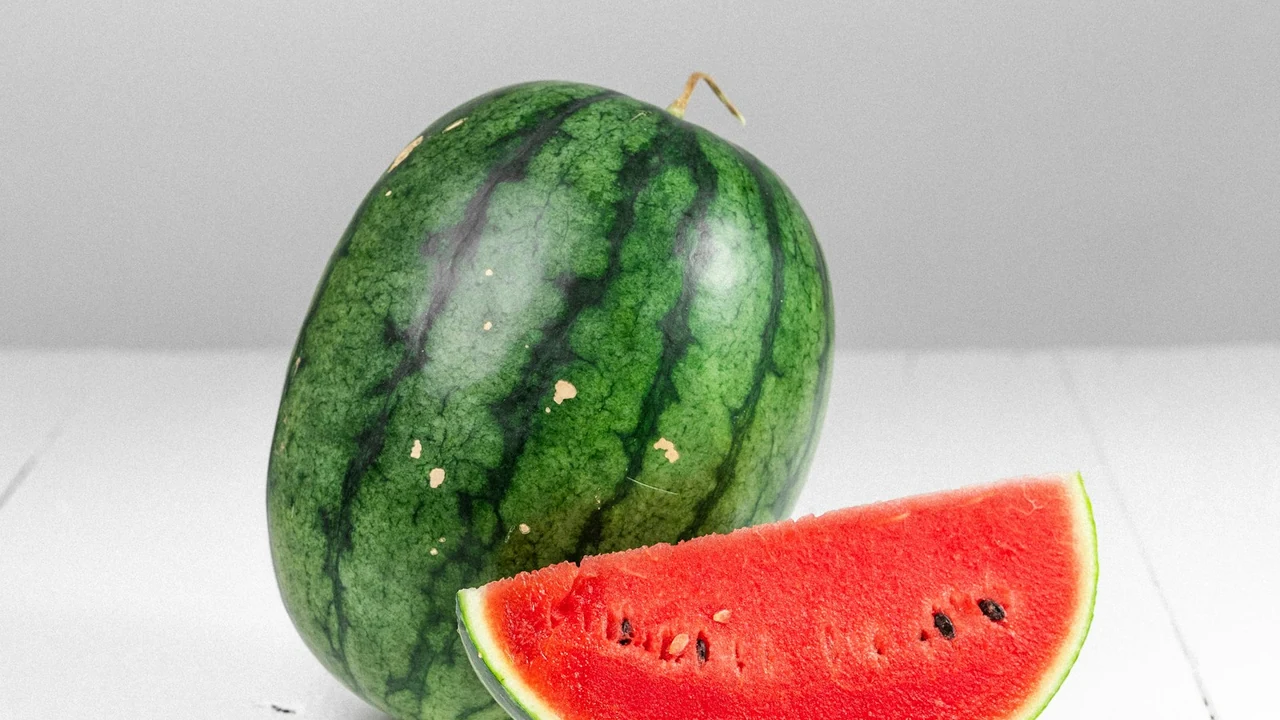
It can be especially useful during warmer weather or as an alternative to desserts and sugary drinks. However, portion size still matters because calories can add up when large amounts of any food are consumed.
Soups Based on Vegetables
A vegetable-based soup can be a useful way to increase the volume of a meal. Ingredients such as tomatoes, carrots, spinach, cabbage, mushrooms and beans can create a nutrient-rich dish.
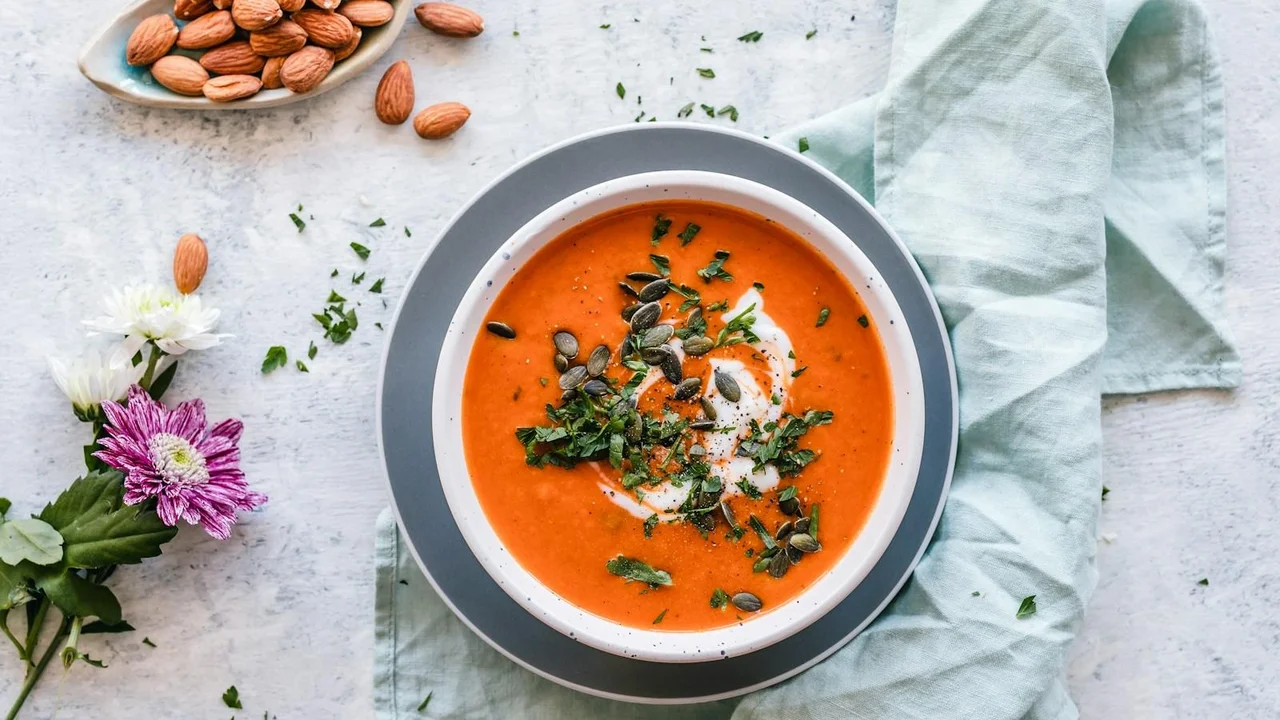
Be mindful of creamy soups, large amounts of butter, cheese or oil, as these can substantially increase the calorie content. Homemade soup also gives you greater control over salt, fats and portion sizes.
Mushrooms
Mushrooms can add texture and savoury flavour while keeping meals relatively light. They can be sautéed with a small amount of oil, added to soups or combined with other vegetables.

They can also help make a plant-based meal feel more substantial without relying entirely on high-calorie ingredients.
Cauliflower and Broccoli
Cruciferous vegetables such as broccoli and cauliflower are useful additions to weight-conscious meals. They provide fibre and several vitamins and minerals while allowing you to build a generous plate.
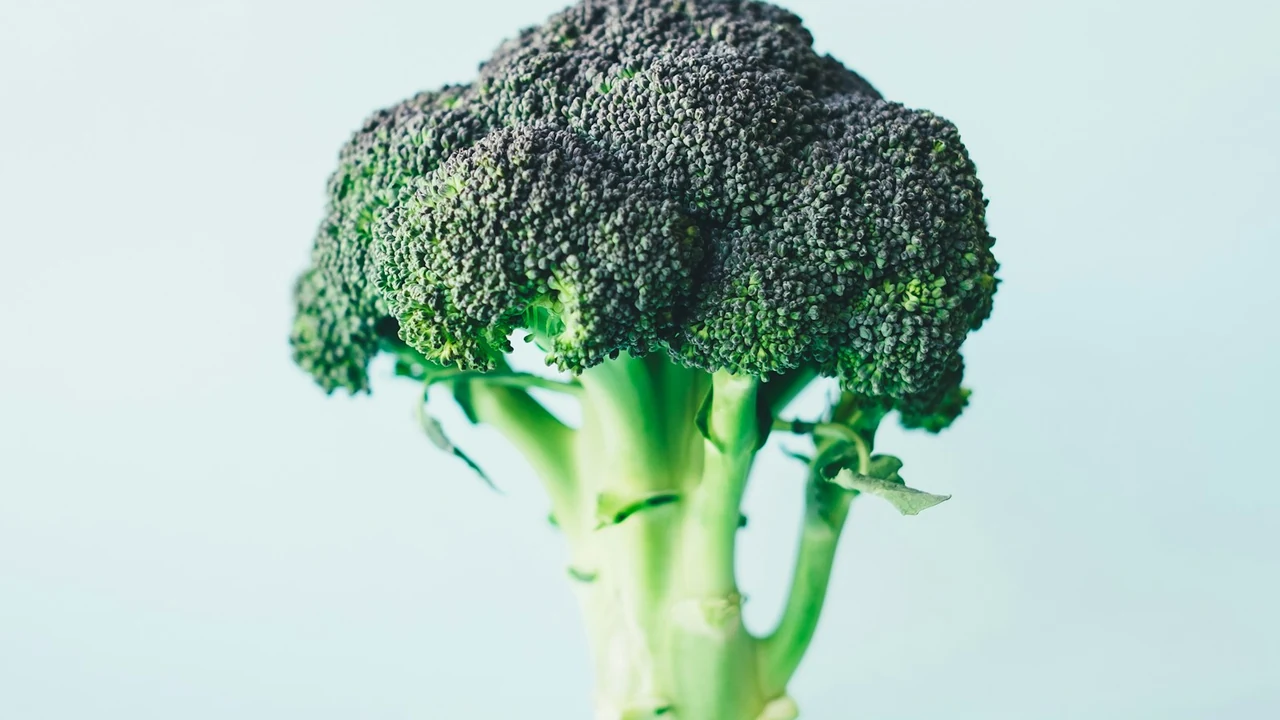
Try roasting, steaming or lightly stir-frying them rather than deep-frying. The cooking method can make a major difference to the final calorie content.
Greek Yoghurt or Plain Yoghurt
Low-fat or plain yoghurt can provide protein and can work as a snack or breakfast ingredient. Choosing an unsweetened version allows you to control how much sugar is added.
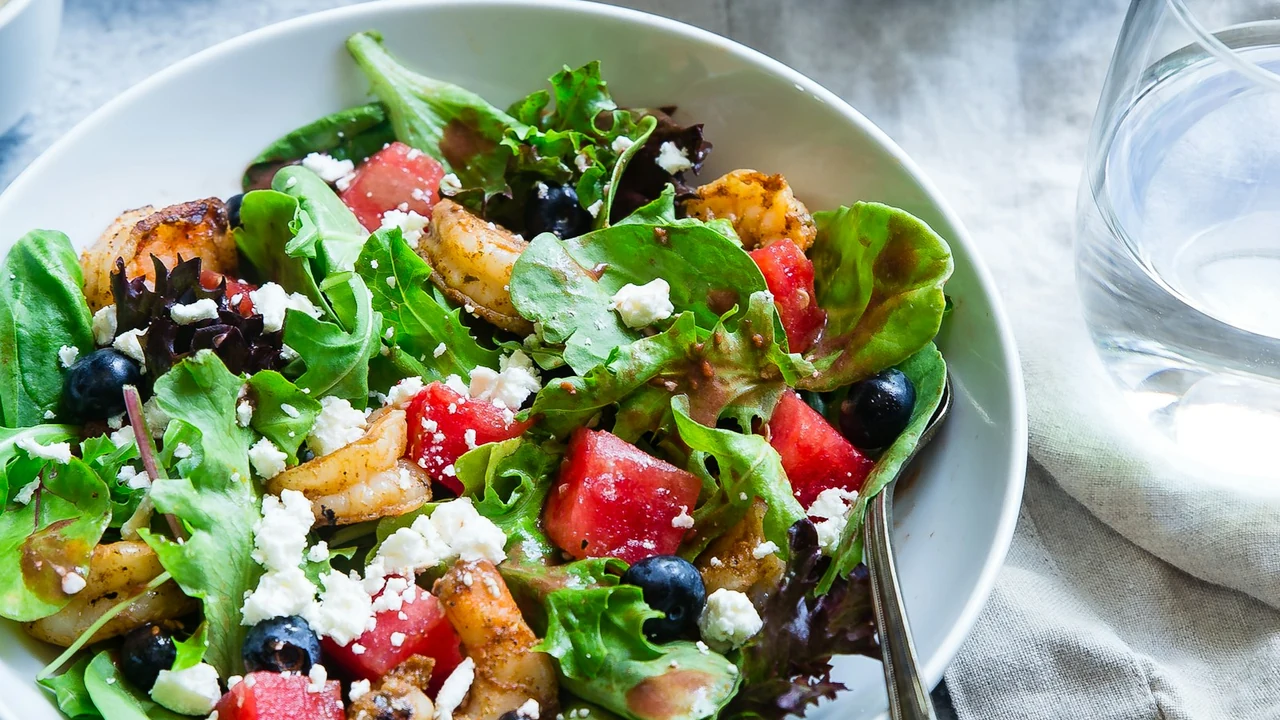
You can combine plain yoghurt with berries, apple pieces or a small amount of nuts for a more balanced snack. Australian healthdirect also recommends plain or Greek yoghurt with fresh fruit as a healthier alternative to many flavoured yoghurt products.
Lentils and Beans
Legumes deserve a place in a weight-conscious diet because they provide both protein and fibre. Lentils, chickpeas, kidney beans and other legumes can help make meals more satisfying.
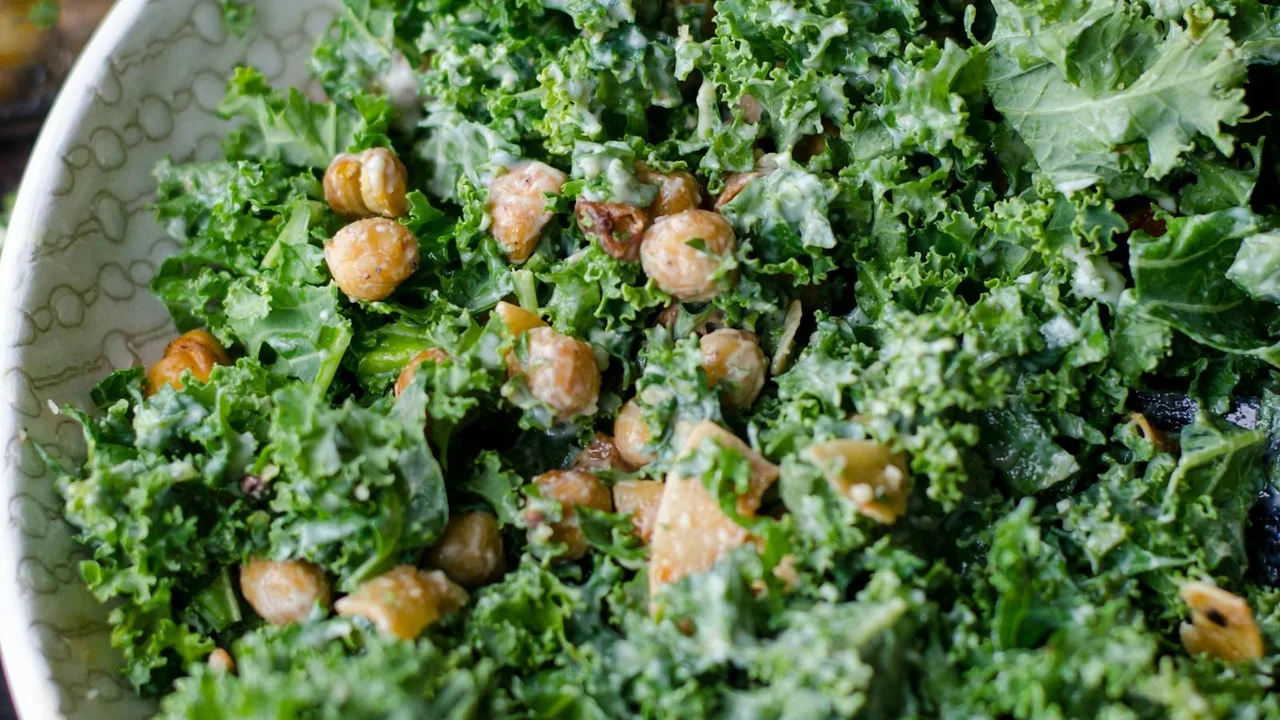
They are not necessarily “very low-calorie” foods, but their nutritional value and ability to contribute to fullness make them useful for healthy weight management. Healthdirect includes legumes and beans among the food groups that can form part of a balanced eating pattern.
Eggs
Eggs can provide protein and can be included in breakfast, lunch or snacks. Boiled or poached eggs can be useful alternatives to fried preparations containing large amounts of oil.
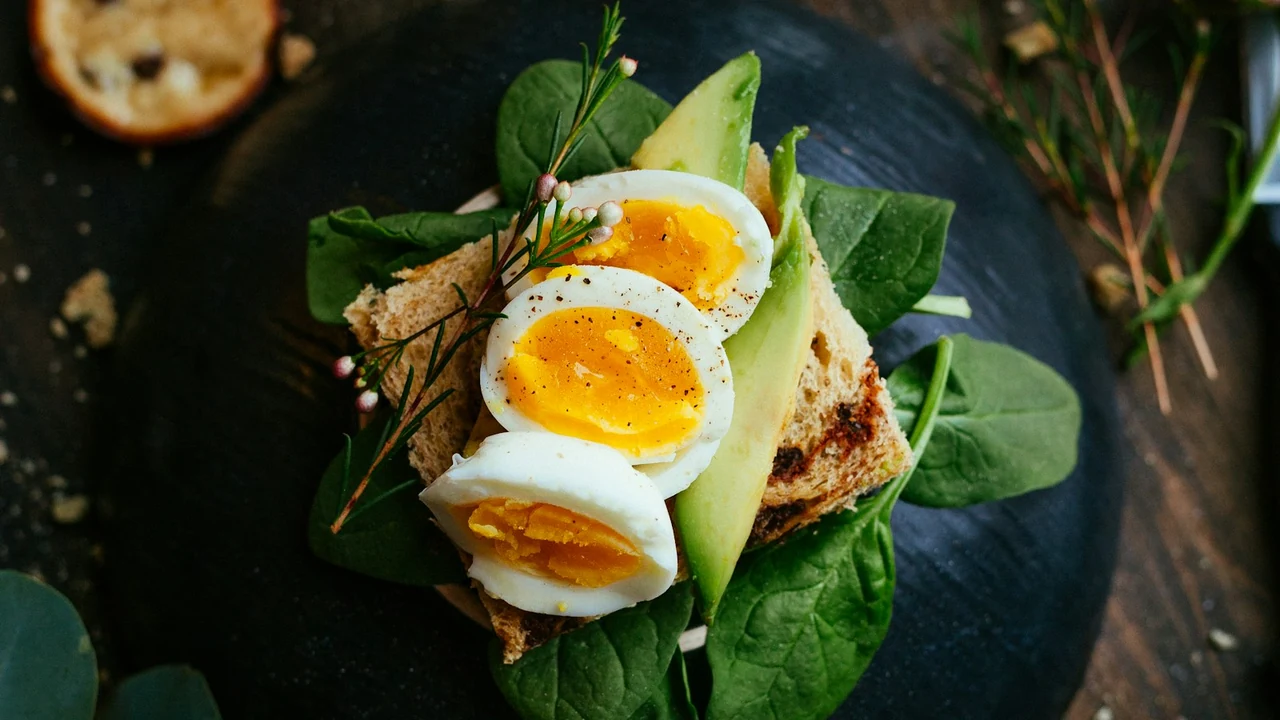
For a balanced meal, pair an egg with vegetables and a source of whole grains rather than treating it as the entire meal.
Air-Popped Popcorn
Plain air-popped popcorn can be a surprisingly practical snack when you want something crunchy. The problem often comes from the additions rather than the popcorn itself.

Large amounts of butter, oil, caramel or sugar can quickly turn a relatively light snack into a calorie-dense one. Mayo Clinic gives air-popped popcorn as one example of a lower-calorie alternative to chips.
Ways to Make Low-Calorie Foods More Filling
Choosing low-calorie foods is only one part of weight management. A meal that is extremely low in calories but lacks protein or fiber may leave you hungry again soon.
A more useful approach is to combine different food groups. For example, vegetables can provide volume and fibre, while lentils, beans, eggs, yoghurt or other protein sources can make the meal more satisfying.
Smart Food Swaps Can Reduce Calories
You do not have to completely redesign your diet to lower calorie intake. Small substitutions can make a noticeable difference over time.
For example, replace sugary drinks with water, fruit juice with whole fruit, fried snacks with fresh vegetables or plain popcorn, and heavily sweetened yoghurt with plain yoghurt and fresh fruit.
Final Thoughts
Low-calorie foods can make weight management easier when they are used as part of a balanced eating pattern. Vegetables, whole fruits, berries, mushrooms, soups, plain yoghurt and other nutrient-rich foods can add volume and variety without contributing excessive energy.
However, successful weight loss is not simply about finding the lowest-calorie foods. Overall portions, food quality, protein, fibre, physical activity and long-term consistency all matter.
Sources and References
- CDC – Tips for Increasing Vegetables and Fruits in Your Diet — USA – CDC – Healthy Weight and Fruits & Vegetables
- CDC – Tips for Healthy Eating for a Healthy Weight — USA – CDC – Healthy Eating for a Healthy Weight
- Mayo Clinic – Counting Calories: Get Back to Weight-Loss Basics — USA – Mayo Clinic – Counting Calories
- NHS – Calories and Weight Loss — UK – NHS – Calories and Weight Loss
- healthdirect Australia – Weight Loss and Dieting — Australia – healthdirect Australia – Weight Loss and Dieting
- healthdirect Australia – Healthy Food Swaps — Australia – healthdirect Australia – Healthy Food Swaps


Thank you for your comment!
Your message has been received and sent to the Dermis 365 clinical team for review. It will be published publicly as soon as it is approved by a clinic administrator.
Leave a Clinical Thought or Question
Your email address will not be published. Required fields are marked *