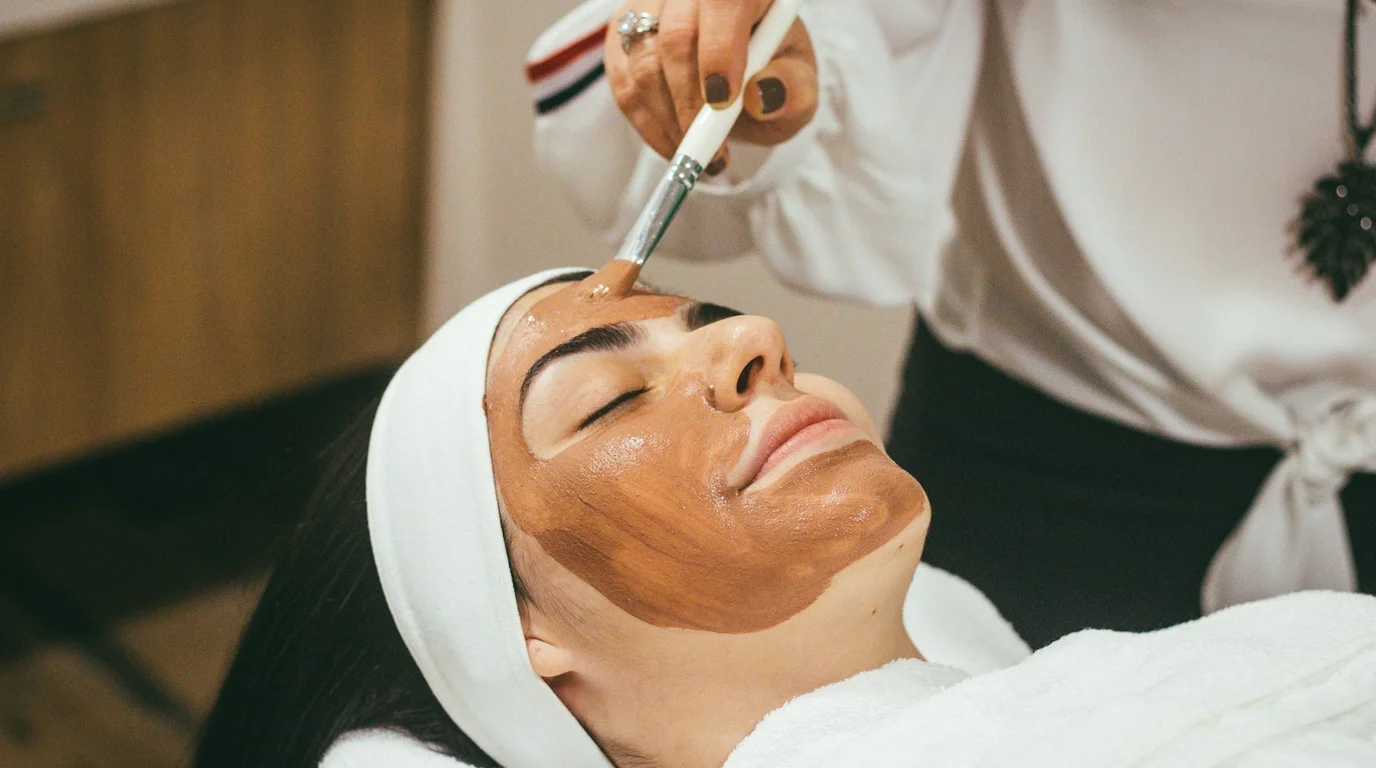
“Scrubbing harder creates glow.”
Fact: aggressive scrubbing can cause irritation, barrier damage and pigmentation.
Fact: aggressive scrubbing can cause irritation, barrier damage and pigmentation.
Fact: aggressive scrubbing can cause irritation, barrier damage and pigmentation.
Fact: skin can produce oil while lacking adequate surface water.
Fact: healthy skin is not defined by being lighter. The goal is comfortable, protected and even-functioning skin.
Fact: results depend on the cause and usually require consistent home care and sun protection.
A consultation looks beyond the word “dull” to identify what is actually changing the appearance.
Introduce one active product at a time and stop if you develop significant burning, swelling or rash.
Everything you need to know about our doctor-supervised treatments, AI skin analysis, and clinic consultations.
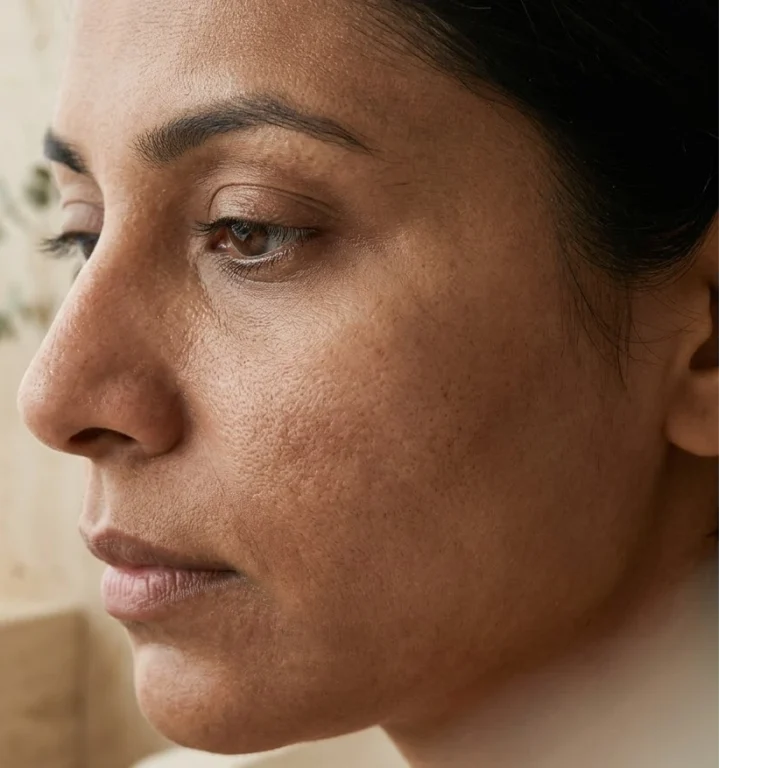
Dull skin is a descriptive concern rather than one disease. Skin may look flat, tired, uneven or less radiant and may feel dry or rough.
Common contributors include dryness, dead-cell buildup, sun exposure, pigmentation, ageing, pollution, harsh skincare, smoking, stress and poor sleep.
Dry or dehydrated skin may look less smooth and reflect light less evenly. A suitable moisturiser supports surface hydration; drinking water alone does not treat every cause.
Surface-cell buildup can contribute to roughness or flaking. Exfoliation must be appropriate because over-exfoliation can worsen irritation and dullness.
Poor sleep may temporarily contribute to a tired appearance, dryness or puffiness, but persistent dullness can have several other causes.
Stress may affect sleep, inflammation, skincare habits and barrier recovery, making existing dullness more noticeable.
Daily sunscreen helps prevent additional tanning, uneven pigment and sun-related texture changes. Existing concerns may need further care.
No. Frequent harsh scrubbing can damage the barrier and cause redness, dryness or pigmentation. Exfoliation should suit your skin.
A suitable vitamin C product may support antioxidant protection and uneven tone. Formulation, stability, concentration and tolerance matter.
Doctor-supervised peels may help selected patients with rough texture, superficial pigmentation or uneven tone. The type and strength must suit the skin.
Surface dryness may improve relatively quickly, while pigmentation, sun damage and texture usually take longer. Results depend on the cause and consistency.
Sometimes persistent pallor, yellowing or marked dryness may be linked to a medical issue. Seek assessment if changes occur with fatigue, weight change or illness.
Seek advice when dullness persists despite gentle care or is accompanied by pigmentation, acne, rash, itching, marked dryness or sudden colour change.
Depending on assessment, options may include medical skincare, barrier repair, chemical peels, pigmentation treatment, microneedling, MNRF or selected laser procedures.