
REFER & EARN Refer a friend, you both get ₹1,000 Learn more →
LIMITED OFFER Special Offers: Up to 50% Off Packages Learn more →
Body pigmentation care

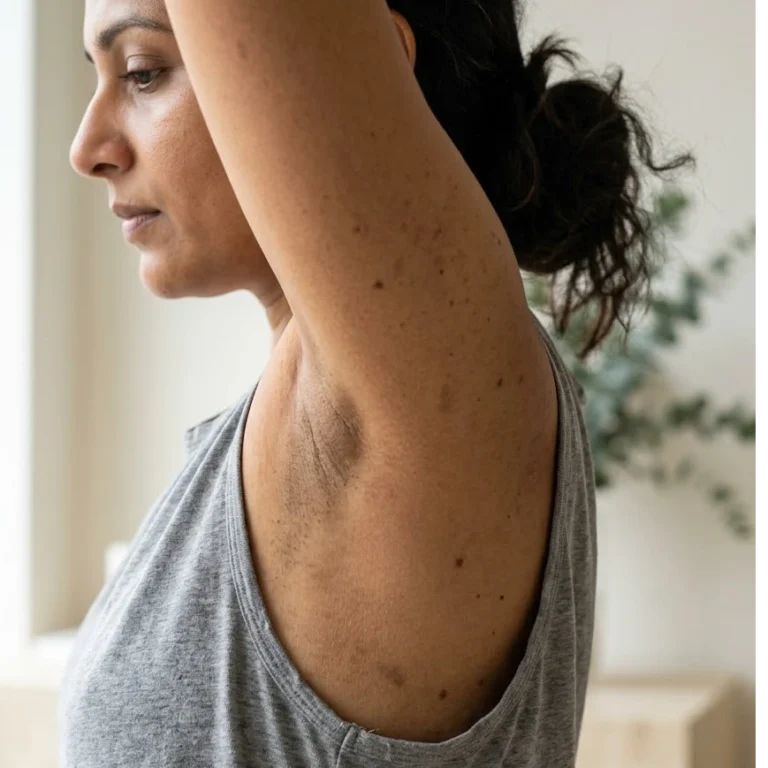
Dark Underarms & Body Spots Find the cause before trying to lighten the skin.

Underarms, neck, elbows, knees, inner thighs and other folds may naturally look darker. Pigmentation can also follow friction, shaving, irritation, rashes or ingrown hairs. When skin becomes thick and velvety, it may be acanthosis nigricans—a possible clue to insulin resistance or another underlying condition.

Doctor-led skin, hair, aesthetic and wellness care · Kanakapura Road, Bangalore 560109
Dark Underarms & Body Spots Clinical Assessment & Treatment - Dermis 365 Bengaluru
100% Doctor Supervised
AI Skin & Hair Analysis
3 Laser Platforms
1:1 Customised Care Plans
Why it happens

Common causes of dark underarms and body spots

  1. 1
    Friction and chafing Skin-to-skin rubbing, tight clothing and repeated movement can cause inflammation and pigment.
  2. 2
    Shaving and plucking Micro-injury, ingrown hairs and visible hair shadow may contribute to darkness.
  3. 3
    Deodorant irritation Fragrance, alcohol or other ingredients can trigger contact dermatitis in some people.
  4. 4
    Folliculitis and body acne Inflamed follicles or pimples can heal with post-inflammatory dark marks.
  5. 5
    Fungal or inflammatory rash Itching and recurrent rashes need diagnosis before pigment treatment.
  6. 6
    Acanthosis nigricans Velvety thickening can be associated with insulin resistance, weight, hormones or medicines.
  7. 7
    Hormonal or metabolic factors PCOS, thyroid disease, prediabetes and diabetes may be relevant in selected patterns.
  8. 8
    Medicines Some hormonal medicines, steroids and other drugs may contribute. Never stop treatment yourself.
  9. 9
    Natural skin tone Folds, elbows, knees, knuckles and intimate areas may naturally be darker.

Clinical Overview & Triggers

  • Key insight Comprehensive medical evaluation helps determine the exact underlying mechanism.
Fact check

Common underarm myths

Fact: pigment is not dirt. Washing harder can cause more inflammation.

“Dark underarms mean poor hygiene.”

Fact: pigment is not dirt. Washing harder can cause more inflammation.

“Lemon and baking soda are safe.”

Fact: both can irritate skin and worsen post-inflammatory pigmentation.

“Every dark neck means diabetes.”

Fact: diabetes is one possibility, not the only diagnosis. Testing depends on the pattern and history.

“A peel fixes the underlying cause.”

Fact: peels affect the skin surface; they do not treat insulin resistance or hormonal disease.

When to seek medical advice

Book an assessment if darkening…

  • Feels thick or velvety
  • Affects neck and several folds
  • Appeared suddenly
  • Spreads quickly
  • Itches, hurts or smells
  • Has persistent bumps or rash
  • Occurs with PCOS symptoms
  • Occurs with thirst or urination
Diagnosis first

How Dermis 365 assesses dark body areas

Most cases can be assessed through history and examination. Blood tests, allergy testing, fungal testing or biopsy are reserved for selected situations.

Colour Texture Body areas Speed of change Friction Hair removal Products Rashes or bumps Medicines Metabolic clues
Available at our clinic

Dark underarm & body-spot treatments at Dermis 365

Treatment depends on whether the main issue is irritation, follicles, pigment, thickened skin or an underlying health condition.

Dermatologist consultation

Private evaluation of pattern, texture, triggers, hair removal, products, rashes, medicines and medical history.

Metabolic and hormonal evaluation

Targeted testing or referral may be advised when acanthosis, PCOS, diabetes or thyroid disease is suspected.

Medical body-skincare plan

Doctor-selected moisturising, pigment-regulating or texture-smoothing products suited to folds and body skin.

Dermatitis or fungal treatment

Active itching, redness, scaling or odour is diagnosed and treated before cosmetic pigment procedures.

Folliculitis & ingrown-hair care

Treatment reduces active bumps and inflammation that repeatedly leave dark marks.

Laser hair reduction

May reduce hair density, shaving frequency, ingrown hairs and repeated irritation.

Medical chemical peels

Carefully selected superficial peels may help frictional or post-inflammatory pigmentation in stable skin.

Pigment or texture laser treatment

Laser-based care may be considered for selected pigmentation or thickened texture after diagnosis.

Staged body-pigmentation plan

When friction, hair, inflammation and metabolic factors overlap, treatment is sequenced rather than doing one aggressive procedure.

Supplements and procedures should have a clear goal, expected benefit and safety review. Results vary.
Helpful answers

Frequently asked questions Answered Clear & Clear.

Everything you need to know about our doctor-supervised treatments, AI skin analysis, and clinic consultations.

01 Why are my underarms darker?

Possible causes include natural variation, friction, shaving, deodorant irritation, dermatitis, folliculitis, post-inflammatory pigment and acanthosis nigricans.

02 What is acanthosis nigricans?

It causes dark, thickened, velvety skin, usually on the neck, underarms, groin or other folds.

03 Do dark underarms mean I have diabetes?

Not always. Velvety thickening can be associated with insulin resistance, prediabetes or diabetes and may need testing.

04 Can PCOS cause dark underarms?

PCOS can be associated with insulin resistance and acanthosis, but dark underarms alone cannot diagnose PCOS.

05 Does shaving make underarms darker?

Repeated shaving may cause irritation, ingrown hairs or visible hair shadow, making the area look darker.

06 Can deodorant cause pigmentation?

Fragrance, alcohol or another ingredient can cause dermatitis in some people, leaving pigment after inflammation.

07 Can I scrub dark underarms away?

No. Pigment and acanthosis cannot be scrubbed off. Aggressive rubbing may make them worse.

08 Is lemon safe for dark underarms?

No. Lemon can irritate or burn skin and may lead to further pigmentation.

09 Do chemical peels help?

Superficial doctor-supervised peels may help selected frictional or post-inflammatory pigmentation after irritation is controlled.

10 Can laser hair reduction help?

It may reduce shaving irritation and hair shadow, but it does not treat insulin resistance or every cause of pigmentation.

11 How long does treatment take?

Improvement often takes several months and depends on cause, skin thickness, friction and management of underlying conditions.

12 Can dark underarms return?

Yes. Pigment can return when friction, irritation, hair-removal injury or metabolic and hormonal contributors continue.

13 When should I see a doctor urgently?

Seek prompt assessment if thickening appears suddenly, spreads rapidly, affects the mouth or occurs with unexplained weight loss or illness.

14 What treatments are available at Dermis 365?

Options may include medical assessment, skincare, rash or folliculitis treatment, chemical peels, selected laser treatment and laser hair reduction.
5.0 ★★★★★
Google Reviews